




Рак губы – наиболее распространенная форма рака полости рта в мире, относящаяся к группе злокачественных заболеваний головы и шеи. Этот тип карциномы характеризуется злокачественными поражениями эпителия красной каймы рта, где под воздействием внешних факторов нормальные клетки могут потенциально превращаться в атипичные (аномальные) клетки, а впоследствии – в раковые. Большинство случаев рака губы имеют четко определенную морфологию и прогноз.
Более чем в 90% случаев рак губы представлен плоскоклеточной карциномой, которая является наиболее распространенным типом клеточной карциномы этой локализации. Базальноклеточная карцинома встречается гораздо реже, в основном у пациентов со светлой кожей или темной кожей, в зависимости от интенсивности солнечного воздействия. Чаще всего поражается нижняя губа, тогда как опухоли верхней губы обычно характеризуются более агрессивным течением [1]. В большинстве случаев рака губы злокачественная трансформация начинается с плоскоклеточных клеток, подвергающихся хроническому повреждению и накоплению мутаций.
Эпидемиология и факторы риска рака губы
По сравнению с другими формами рака полости рта, рак губы имеет четко определенную эпидемиологическую картину. Факторы риска включают длительное воздействие ультрафиолетового излучения, курение, профессиональные факторы, иммуносупрессию, вирусные инфекции, особенно вирус папилломы человека, и социально-экономические условия.
Как правило, процесс развития рака губы длительный и многоэтапный. Под воздействием факторов риска клетки ротовой полости постепенно трансформируются в клетки опухоли, образующие локализованное новообразование, которое со временем может распространиться на структуры рта, ротовую полость, малые слюнные железы, а также область головы и шеи. При запущенных формах рака губы существует высокий риск того, что рак распространился на лимфатические узлы.
Наиболее распространенной является форма рака ротовой полости, развивающаяся из плоскоклеточных клеток, поскольку красная кайма ротовой полости покрыта многослойным плоским эпителием, который подвергается хроническому УФ-облучению и воспалительным процессам. Именно этот эпителий чаще всего поражается дисплазией (актиническим хейлитом), которая переходит в плоскоклеточную карциному, тогда как железистый эпителий в этой области почти отсутствует.
Почему выбор метода лечения рака губы имеет решающее значение
Лечение рака головы и шеи требует индивидуального подхода к каждому клиническому случаю с учетом локализации опухоли и стадии заболевания, при этом также следует принять во внимание сохранение функционального статуса пациента и его качества жизни. Выбор плана лечения при раке губы имеет решающее значение. Стандартное лечение, особенно при крупных опухолях губы, может привести к значительной потере тканей, нарушению речи, мимики и расстройствам пищевого поведения. Именно поэтому при выборе вариантов лечения следует учитывать не только необходимость уничтожения раковых клеток, но и сохранение функционального статуса и эстетики лица пациента.
Современный подход к терапии рака губы ориентирован на органосохраняющее лечение рака губы, особенно если заболевание диагностировано на ранних стадиях. Даже при лечении рака губы на стадии III и стадии IV возможны альтернативы радикальному хирургическому вмешательству. Проведение лечения рака губы на ранних стадиях дает высокие шансы на полное выздоровление с сохранением функционального статуса и эстетического внешнего вида пациента.
Стандартные подходы к лечению рака губы
Хирургическое вмешательство при карциноме губы
Хирургическое лечение рака губы является наиболее распространенным методом лечения при локализованных формах заболевания. Хирургическое удаление опухоли может сопровождаться реконструктивной хирургией или пластической хирургией, особенно если поражен значительный объем ротовой полости [2].
Лучевая терапия при карциноме губы
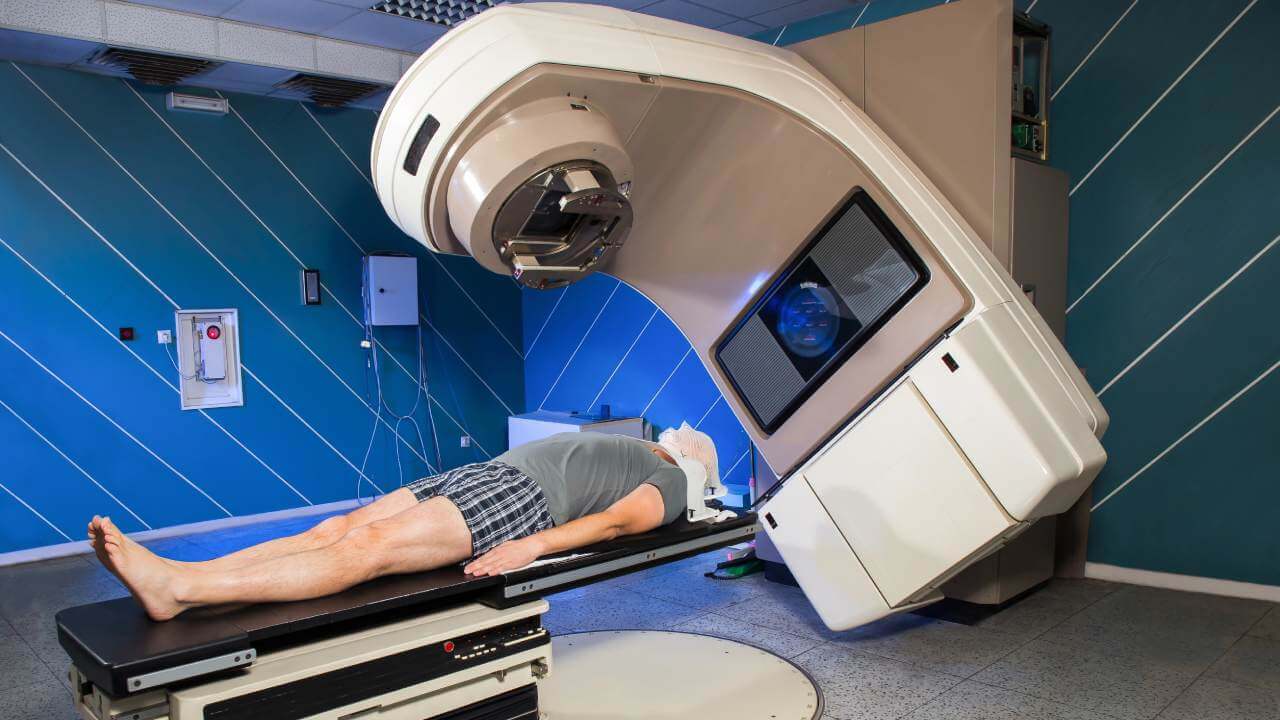
Лучевая терапия (или радиотерапия), включая внутреннюю лучевую терапию, часто проводится при небольших опухолях губы или в составе комбинированной схемы лечения.
Химиотерапия и химиолучевая терапия при карциноме губы
Химиотерапия и химиолучевая терапия применяются преимущественно на стадии III и стадии IV, или если рак распространился за пределы локализации первичной опухоли. Возможность проведения химиолучевой терапии рассматривается при прогрессирующих формах рака полости рта в качестве составляющей части мультимодальной терапии для достижения более эффективного локального контроля над заболеванием [3].
Инновационные методы лечения рака губы
Ограничения стандартного лечения побудили медицинское сообщество к разработке новых методов лечения и инновационного лечения рака губы, которые смогли бы обеспечить локальный контроль над опухолью без сопутствующего значительного повреждения тканей и структур рта.
Терапия дендритными клетками при карциноме губы
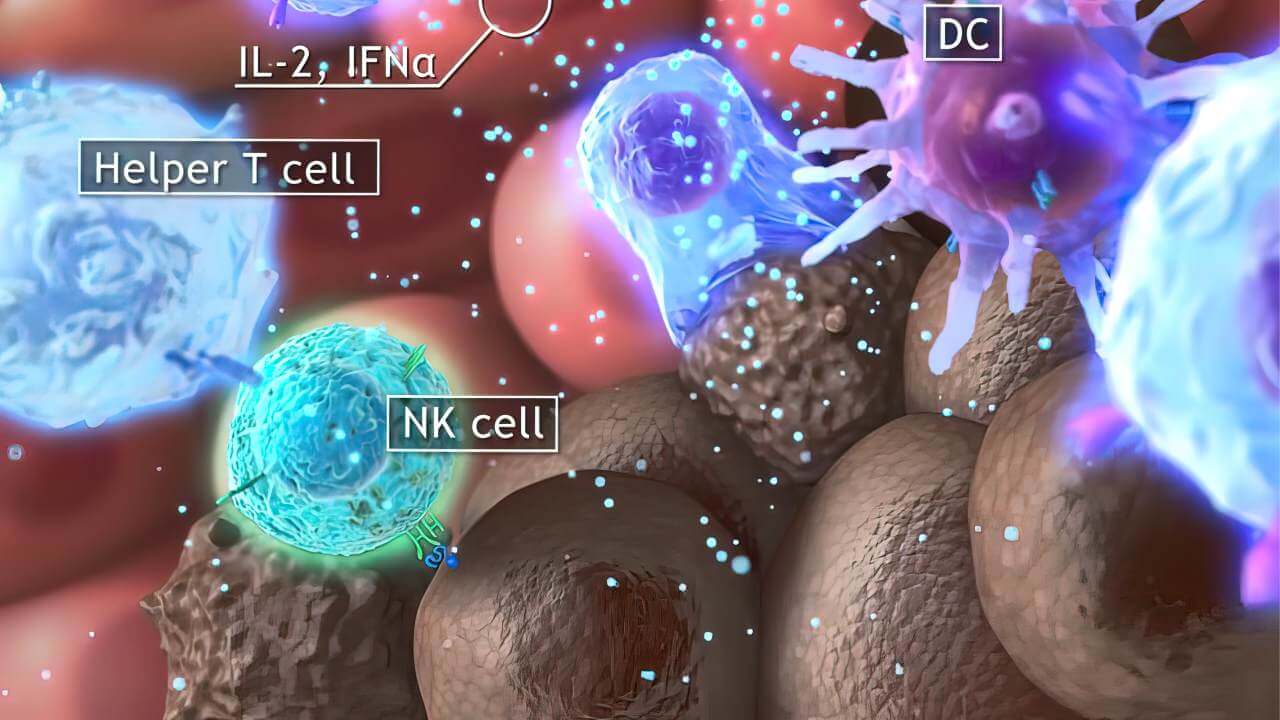
Терапия дендритными клетками при раке губы – это иммунотерапевтический подход, направленный на активацию собственного иммунного ответа пациента против опухоли. Открытие терапии дендритными клетками было отмечено Нобелевской премией по физиологии и медицине, что свидетельствует о фундаментальную важность этой разработки для современной онкологии. Метод основан на использовании дендритных клеток, которые «обучают» собственную иммунную систему пациента распознавать и уничтожать раковые клетки.
Терапия дендритными клетками при раке губы активирует иммунную систему, помогая уничтожить оставшиеся раковые клетки после локального лечения. Потенциальные преимущества этого подхода включают минимальное воздействие на анатомию лица, функцию речи и прием пищи, а также низкую токсичность по сравнению с системной химиотерапией. Вместе с тем, метод по-прежнему считается инновационным и доступен в основном в специализированных центрах в Германии [4].
Регионарная химиотерапия при карциноме губы
Регионарная химиотерапия при раке губы – это метод локализованного лечения, при котором противоопухолевые препараты вводятся непосредственно в сосудистый бассейн пораженной области, что обеспечивает их высокую концентрацию в опухоли при минимальном системном воздействии на организм пациента.
Этот подход используют при местнораспространенных или рецидивирующих формах опухолей ротовой полости, особенно когда проведение стандартного хирургического вмешательства или лучевой терапии связано с высоким риском возникновения функциональных нарушений и эстетических дефектов. Основные преимущества регионарной химиотерапии заключаются в снижении системной токсичности лечения, потенциальном уменьшении объема опухоли и создании условий для проведения в дальнейшем более щадящей терапии или органосохраняющего вмешательства. Во время регионарной химиотерапии лекарственный препарат вводится через катетер в питающие опухоль артерии во рту, что обеспечивает таргетную доставку высокой дозы лекарственного средства к новообразованию с его минимальным попаданием в системный кровоток. Это приводит к тому, что раковые клетки подвергаются прямому воздействию цитотоксических препаратов, за счет чего существенно снижается профиль системных побочных эффектов. Проведение регионарной химиотерапии при раке губы способствует снижению системной токсичности лечения, при этом процедура подходит пациентам с запущенными формами рака губы [5].
Электрохимиотерапия (ЭХТ) при карциноме губы
Электрохимиотерапия при раке губы – локорегионарный метод лечения, основанный на комбинации таргетного введения химиотерапевтического препарата с подачей коротких электрических импульсов, которые временно повышают проницаемость мембран раковых клеток (электропорация).
При лечении рака полости рта ЭХТ рак губы применяется преимущественно при локализованных, рецидивирующих или поверхностных новообразованиях, когда важно избежать деформации вследствие хирургического вмешательства и сохранить функцию рта. Метод обеспечивает высокоэффективное прицельное воздействие на опухоль с минимальным повреждением здоровых тканей, способствуя сохранению речевой функции, нормальному приему пищи и достижению удовлетворительных эстетических результатов
ЭХТ считается органосохраняющим альтернативным вариантом лечения или же используется в качестве дополнения к стандартным методам, особенно у пациентов с ограниченными терапевтическими возможностями [6].
Сохранение органа, эстетика и качество жизни при карциноме губы
В таблице ниже представлены данные, демонстрирующие, как различные методы лечения рака влияют не только на контроль над заболеванием, но и на сохранение формы рта, речи, мимики и психологического состояния пациента, что имеет решающее значение при выборе оптимальной терапевтической тактики.
| Вид лечения | Сохранение формы губы | Речь | Мимика | Психологическое состояние |
|---|---|---|---|---|
| Хирургическое вмешательство | Часто не удается сохранить естественную формы губы; существует риск деформаций и рубцов, в связи с чем требуется реконструкция | Может ухудшиться из-за потери тканей или мышц | Повреждения мышц и нервов часто приводят к нарушениям мимики | Повышенный риск стресса из-за видимых дефектов и изменений во внешности |
| Лучевая терапия | Возможны фиброз и атрофия | Обычно сохраняется, но может наблюдаться сухость во рту и дискомфорт | В основном нарушения мимики отсутствуют | Умеренное влияние на психологическое состояние пациента; опасения по поводу отдаленных побочных эффектов |
| Химиотерапия | Напрямую не влияет на форму губы | Не влияет на речь | Не влияет на мимику | Нередко психологическое состояние пациента ухудшается из-за системной интоксикации и усталости |
| Химиолучевая терапия | Результат лучше, чем после операции, но хуже, чем при использовании регионарных методов | Возможны нарушения на фоне мукозита и фиброза | Обеспечивает частичное сохранение мимики | Существенное влияние на психологическое состояние из-за плохой переносимости лечения |
| Терапия дендритными клетками | Обеспечивает полное сохранение естественной формы губы | Не влияет на речь | Не влияет на мимику | Минимальное негативное воздействие, хорошая переносимость лечения |
| Регионарная химиотерапия | В основном естественная форма губы полностью сохраняется | Речевая функция сохраняется | Нарушения мимики отсутствуют | Меньше стресса благодаря локальному действию лечения |
| Электрохимиотерапия | Максимально возможное сохранение формы губы | Речевая функция сохраняется | Нарушения мимики отсутствуют | Более высокое качество жизни, минимальное воздействие на психологическое состояние пациента |
Лечение рецидивирующих и прогрессирующих форм карциномы губы
Лечение рецидивирующих или прогрессирующих форм рака губы требует комплексного и индивидуального подхода с учетом локализации новообразования, наличия или отсутствия поражения костей, нервов и лимфатических узлов, а также ранее проведенной терапии.
На поздних стадиях основу лечения обычно составляет комбинация хирургического вмешательства и лучевой терапии. Объем операции определяется в зависимости от размера и локализации опухоли, а также необходимости проведения реконструкции. Отдельным пациентам показано проведение лечебных мероприятий на обеих сторонах шеи. Лечение лучевой терапией при раке губ включает ДЛТ (дистанционную лучевую терапию) с брахитерапией или без нее, при этом в некоторых случаях рассматривается возможность проведения суперфракционированного облучения (по результатам клинического обследования).
В случае метастатических и рецидивирующих поражений при раке губы возрастает значимость иммунотерапии, тогда как стандартная химиотерапия, несмотря на потенциальный ответ на лечение, не обеспечивает значимого улучшение в отношении показателей выживаемости. В связи с недостаточно хорошими результатами повторных радикальных хирургических вмешательств в качестве альтернативы калечащим операциям рассматриваются инновационные методики (терапия дендритными клетками, регионарная химиотерапия, ЭХТ), направленные на сохранение удовлетворительного функционального статуса пациента, его внешнего вида и качества жизни.
Приведенная ниже таблица поможет в сравнении ориентировочной стоимости различных методов лечения этого типа карциномы.
| Вид лечения | Стоимость в Германии | Стоимость в США | Стоимость в Великобритании | Стоимость в Австралии |
|---|---|---|---|---|
| Хирургическое вмешательство | €25,000 - €45,000 | €65,000 - €85,000 | €35,000 - €55,000 | €30,000 - €70,000 |
| Химиотерапия | €80,000 - €150,000 полный курс | €100,000 - €180,000 полный курс | €90,000 - €165,000 полный курс | €45,000 - €120,000 |
| Лучевая терапия | €28,000 - €42,000 | €40,000 - €80,000 | €35,000 - €65,000 | €25,000 - €50,000 |
| Терапия ДК | €20,000 - €38,000 | €40,000 - €100,000 | Не проводится | Не проводится |
| Регионарная химиотерапия | €45,000 за сеанс | €37,000 - €150,000 | €30,000 - €118,000 | €30,000 - €80,000 |
| Электрохимиотерапия | €7,500 - €12,000 за сеанс | €40,000 - €100,000 | €25,000 - €45,000 | Не проводится |
История пациента с раком губы
Истории пациентов с раком полости рта демонстрируют важность применения индивидуализированного и органосохраняющего подхода к лечению, особенно при прогрессирующих формах заболевания. У 52-летнего пациента была диагностирована местнораспространенная плоскоклеточная карцинома нижней губы с поражением регионарных лимфатических узлов (cT3N1M0, стадия IVA), сопровождающаяся болевым синдромом, нарушением речи и затруднением при приеме пищи. Пациент отказался от стандартного радикального хирургического лечения, отметив: «Я не был готов смириться с потерей естественной формы губы и нормальной речи».
В качестве органосохраняющего альтернативного варианта лечение онкобольному провели краткосрочную регионарную внутриартериальную химиотерапию с селективным введением лекарственных препаратов в питающие опухоль артерии и последующей химиофильтрацией для снижения системной токсичности терапии. Лечение привело к выраженной регрессии опухоли, что подтвердили результаты клинического обследования и визуализационной диагностики, а также к облегчению болевого синдрома. Кроме того, терапия способствовала восстановлению речи и нормальному приему пищи, при этом не было отмечено клинически значимых побочных эффектов.
В настоящее время пациент регулярно проходит контрольные осмотры, по результатам которых заболевание перешло в состояние устойчивой ремиссии. Инновационное лечение позволило сохранить естественную форму губ и хорошее качество жизни. Пациент подытожил результаты терапии такими словами: «Я наконец-то вернулся к нормальной жизни без боли и ограничений».
Поездка на лечение за границу с Booking Health
Самостоятельный поиск наилучшей тактики лечения с учетом вашей индивидуальной клинической ситуации – довольно сложная задача. Испытав на себе многочисленные курсы лечения, проконсультировавшись со множеством специалистов и испробовав различные терапевтические процедуры, вам может быть трудно сориентироваться во всей предоставленной врачами информации. В таком случае пациенты зачастую выбирают первый же предложенный вариант лечения или соглашаются на лечение с применением стандартизированных терапевтических протоколов, которое повлечет за собой множество побочных эффектов, вместо того, чтобы рассмотреть возможность терапии с помощью инновационных процедур.
Если вы хотите сделать осознанный выбор и получить лечение рака в соответствии с индивидуально разработанной для вас схемой с учетом особенностей вашей конкретной клинической ситуации, проконсультируйтесь с медицинскими специалистами Booking Health. Компания Booking Health уже более 12 лет занимает ведущие позиции в сфере организации лечения за рубежом с применением новейших инноваций в медицине, поэтому ее специалисты обладают огромным опытом в составлении персонализированных комплексных программ лечения рака для каждого пациента. Booking Health пользуется репутацией авторитетной компании, которая предоставляет персонализированный подбор схемы лечения рака губы и клиники с прямым бронированием приема в медицинском центре и полной поддержкой на каждом этапе лечения – от решения организационных вопросов до помощи в процессе лечения. Мы предлагаем:
- Оценку и анализ медицинских заключений пациента
- Составление индивидуальной программы лечения
- Подбор подходящего медицинского учреждения для лечения
- Подготовку медицинской документации и ее направление в выбранную пациентом для лечения клинику
- Консультации с врачами зарубежной клиники для разработки оптимальной медицинской программы на этапе подготовки к поездке на лечение
- Экспертные консультации во время пребывания в больнице
- Последующее консультирование пациента после его возвращения на родину по завершении медицинской программы
- Решение организационных вопросов в рамках подготовки к поездке на лечение за границу
- Координацию и организацию пребывания пациента в другой стране
- Помощь в оформлении визы и бронировании авиабилетов
- Услуги переводчика и персонального координатора, который будет с вами на связи 24/7
- Прозрачные цены на лечение без скрытых платежей
Здоровье – главная ценность в жизни каждого человека, доверять заботу о которой стоит лишь лучшим специалистам с богатым опытом и проверенной репутацией. Booking Health – это ваш надежный партнер, который оказывает всестороннюю помощь на пути к восстановлению здоровья и улучшению качества жизни. Свяжитесь с медицинским консультантом компании, чтобы узнать больше о возможностях персонализированного лечения рака губы у ведущих экспертов с использованием инновационных методов.
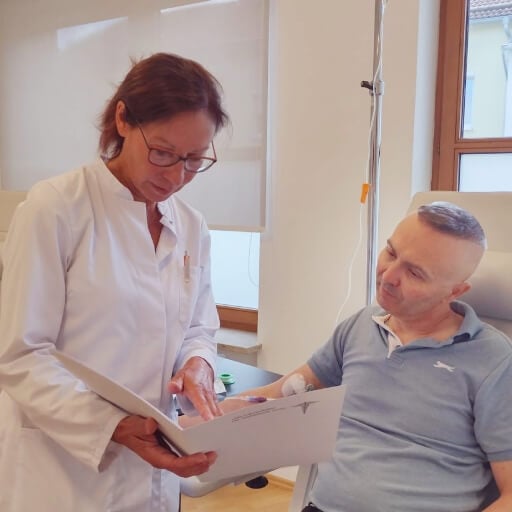
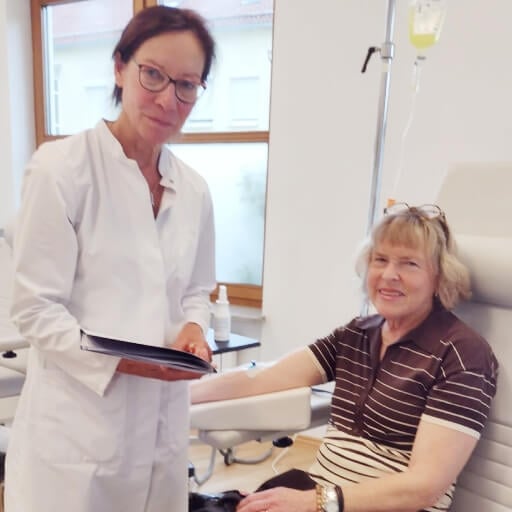
Лечение рака за рубежом: опыт пациентов Booking Health


Частые вопросы о раке губы
Отправить запрос на лечениеКак правило, первые стадии рака губы соответствуют стадиям I-II. На этих стадиях заболевания диагностируется небольшое локализованное новообразование без признаков метастазирования. Лечение на ранней стадии дает шанс на достижение наиболее эффективного результата с сохранением органа.
Показатели выживаемости при этом типе рака на ранних стадиях довольно высокие и составляют более 90%, особенно при условии своевременного проведения лечения и использования современных методов терапии, направленных на сохранение функции губы.
При прогрессировании этот тип рака чаще всего распространяется на регионарные лимфатические узлы шеи; отдаленные метастазы встречаются гораздо реже и обычно характерны для поздних стадий заболевания.
Наиболее эффективный вариант лечение рака губы определяется в зависимости от стадии заболевания, локализации опухоли и прогнозируемого функционального результата. Лечение при таком типе рака включает хирургическое вмешательство, лучевую терапию или органосохраняющую терапию с использованием инновационных методов.
Да, во многих случаях лечение рака губы можно провести без радикального хирургического вмешательства, поскольку в настоящее время пациентам доступны альтернативные виды терапии, в частности, локорегионарные процедуры, воздействующие на всю раковую опухоль, и иммунотерапевтические методы.
Терапия дендритными клетками при раке полости рта демонстрирует многообещающие результаты в рамках спектра современных методов лечения, особенно у пациентов с рецидивирующими или запущенными формами заболевания, обеспечивая иммунный контроль над опухолью с минимальным воздействием на здоровые ткани.
Регионарная химиотерапия при раке полости рта – это метод, предполагающий локальное введение химиотерапевтических препаратов в сосудистый бассейн опухоли, что позволяет обеспечить высокоэффективный результат лечения при минимальной системной токсичности.
Электрохимиотерапия (ЭХТ) при раке губы основана на сочетании таргетного введения химиотерапевтических препаратов и подачи электрических импульсов, которые улучшают проницаемость клеточных мембран, тем самым способствуя достижению лучшего локального противоопухолевого эффекта.
Да, инновационные методы лечения подходят для лечения рака на ранних стадия, особенно когда в приоритете сохранение органов и анатомии лица.
Выбор метода лечения напрямую влияет на внешний вид лица, функцию речи и качество жизни: органосохраняющие и инновационные подходы обычно обеспечивают лучшие функциональные результаты, что также позитивно сказывается на психологическом состоянии пациента.
В отдельных клинических ситуациях современные методы лечения могут выступать в качестве альтернативы хирургическому вмешательству или лучевой терапии, а также других методов лечения рака головы и шеи стандартного спектра, но окончательное решение о целесообразности применения этих видов терапии всегда принимается в индивидуальном порядке, с учетом стадии рака и общего состояния здоровья пациента.
Выбирайте лечение за рубежом и Вы, несомненно, получите отличный результат!
Авторы:
Статья составлена под редакцией экспертов в области медицины, врачей-специалистов доктора Надежды Иванисовой и доктора Дарьи Сухорученко. Для лечения состояний, о которых идет речь в статье, необходимо обратиться к врачу; информация в статье не предназначена для самолечения!
С редакционной политикой, которая отражает наше стремление к точности и прозрачности, можно ознакомиться здесь. Перейдите по ссылке, чтобы ознакомиться с нашими правилами.
Источники:
[1] J G de Visscher, I van der Waal. Etiology of cancer of the lip. A review. Int J Oral Maxillofac Surg. 1998 Jun;27(3):199-203. doi: 10.1016/s0901-5027(98)80010-6. [DOI] [PubMed]
[2] D Franceschi, R Gupta, R H Spiro, J P Shah. Improved survival in the treatment of squamous carcinoma of the oral tongue. Am J Surg. 1993 Oct;166(4):360-5. doi: 10.1016/s0002-9610(05)80333-2. [DOI] [PubMed]
[3] T J Ervin, J R Clark, R R Weichselbaum, B G Fallon et al. An analysis of induction and adjuvant chemotherapy in the multidisciplinary treatment of squamous-cell carcinoma of the head and neck. J Clin Oncol. 1987 Jan;5(1):10-20. doi: 10.1200/JCO.1987.5.1.10. [DOI] [PubMed]
[4] Vidya Mallipattana Anne Gowda, T Smitha. The dendritic cell tool for oral cancer treatment. J Oral Maxillofac Pathol. 2019 Sep-Dec;23(3):326–329. doi: 10.4103/jomfp.JOMFP_325_19. [DOI] [PMC free article]
[5] Karl R Aigner, Emir Selak, Kornelia Aigner. Short-term intra-arterial infusion chemotherapy for head and neck cancer patients maintaining quality of life. J Cancer Res Clin Oncol. 2018 Oct 31;145(1):261–268. doi: 10.1007/s00432-018-2784-4. [DOI] [PMC free article]
[6] M. Gargiulo, J.M. Serra Mestre, A. Cortese et al. Long term effectiveness of electrochemotherapy for the treatment of lower lip squamous cell carcinoma. Journal of Cranio-Maxillofacial Surgery Volume 46, Issue 11, November 2018, Pages 1968-1974. [DOI]
Читайте:
Полное руководство по раку головы и шеи
Лечение рака ротовой полости: руководство для пациентов
Современное лечение рака миндалин: полный гайд по методам лечения