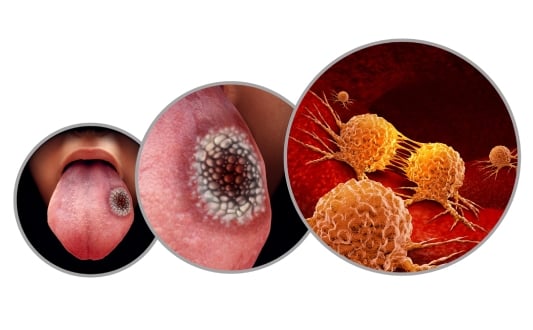





Рак миндалин (РМ) – это тип злокачественной опухоли, развивающейся из ткани миндалин в задней части горла, который классифицируется как рак головы и шеи [1]. Миндалины – это органы иммунной системы, которые помогают организму бороться с инфекциями, препятствуя проникновению вредных бактерий в организм через полость рта. Они выступают в качестве первой линии защиты организма от вирусов и бактерий.
Миндалины являются наиболее распространенной локализацией рака ротоглотки: на их долю приходится около 23,1% злокачественных опухолей, а уровень заболеваемости раком миндалин составляет 8,4 случая на 100 000 человек. [1]. Одним из основных факторов риска рака миндалин является вирус папилломы человека (ВПЧ): до 93% новых случаев рака ротоглотки являются ВПЧ-положительными (ВПЧ+ РМ) [2]. Курение и употребление алкоголя по-прежнему остаются важными факторами риска, однако в настоящее время из-за инфекции ВПЧ опухоли миндалин встречаются и у более молодых людей.
Понимание факторов риска и симптомов заболевания помогает предотвратить рак миндалин. При ранней диагностике, когда еще отсутствует поражение лимфатических узлов, и применении инновационных вариантов лечения у пациента есть все шансы на полное излечение рака и хорошие терапевтические результаты.
Ранние симптомы рака миндалин
Обнаружить рак миндалин на ранней стадии довольно сложно, поскольку его проявления могут напоминать симптомы распространенной инфекции. Пациент может заметить постоянную боль в горле, опухшие лимфатические узлы и затруднение глотания [3].
Во многих случаях развитие опухолей миндалин обусловлено заражением инфекцией ВПЧ, которая на начальном этапе может не вызывать выраженных симптомов, при этом одним из заметных признаков являются безболезненные увеличенные лимфатические узлы с одной стороны шеи.
Стадии и классификация опухолей миндалин
Рак миндалин включает опухоли, которые образовываются в ткани миндалин в горле. Большинство случаев рака миндалин составляют плоскоклеточные карциномы – злокачественные опухоли, развивающиеся из плоскоклеточных клеток (тонкой оболочки наружного слоя миндалин). В результате воздействия вирусов, табака, алкоголя или других факторов, которые могут спровоцировать неконтролируемый рост из-за мутаций, плоскоклеточные (относящийся к плоскоклеточным клеткам) становятся раковыми клетками.
Для определения стадии рака миндалин применяется классификация TNM [4]:
- Стадия 1: небольшая опухоль размером до 2 см, ограничена первичной локализацией.
- Стадия 2: опухоль размером более 2-4 см, поражения регионарных лимфатических узлов отсутствуют.
- Стадия 3: опухоль размером более 4 см, констатируется распространение новообразования на один лимфатический узел с увеличением его размера до 3 см на той же стороне.
- Стадия 4: происходит распространение опухоли на окружающие органы, такие как гортань, мышца языка, медиальная крыловидная мышца и твердое нёбо, с возможным распространением процесса на дистальные лимфатические узлы и образованием метастазов.
Рак горла также можно классифицировать на основе наличия или отсутствия у человека вируса папилломы человека (ВПЧ) с маркером p-16 [5]:
- ВПЧ-положительный рак миндалин (p16-положительный) считается менее агрессивным и характеризуется лучшим прогнозом: 5-летняя выживаемость на 1 стадии заболевания составляет примерно 84%.
- ВПЧ-отрицательный рак миндалин (p16-отрицательный) может быть более агрессивным: 5-летняя выживаемость при локализованных опухолях составляет около 58%.
Однако у курильщиков с ВПЧ-положительным статусом риск прогрессирования заболевания или летального исхода увеличивается на 2% с каждым годом курения, что негативно сказывается на показателях выживаемости [6]. Кроме того, у пациентов, которые продолжали курить во время лечения, риск летального исхода был более чем в два раза выше, а риск развития еще одной первичной опухоли увеличивался примерно на 1,5% за каждый пачко-год.
Методы диагностики рака миндалин
Для диагностики рака ротоглотки применяют следующие методы [1]:
- Эндоскопия – стандартная диагностическая процедура для осмотра опухоли изнутри с помощью специального инструмента в виде тонкой трубки с встроенной в нее камеру, который вводят пациенту через горло, а также для забора образцов для биопсии с целью проведения гистологического исследования.
- Анализ на ВПЧ – образец ткани, полученный в ходе биопсии, исследуется на наличие вируса папилломы человека, в частности на маркер p-16, что помогает в определении прогноза и планировании лечения.
- Компьютерная томография (КТ) – метод, основанный на применении рентгеновского облучения, который используется для оценки размера и степени распространения опухоли на близлежащие и отдаленные органы.
- ПЭТ-КТ – исследование позволяет выявить метаболически активные раковые клетки в области локализации опухоли и в метастатических очагах.
- МРТ – метод, обеспечивающий визуализацию мягких тканей для оценки локального распространения рака.

Методы лечения рака миндалин
Подход к лечению рака миндалин определяется в зависимости от стадии заболевания и ВПЧ-статуса пациента. К числу возможных стандартных вариантов лечения относятся [7]:
Хирургическое вмешательство. Удаление миндалин посредством трансоральной роботизированной хирургии (TORS) или трансоральной лазерной микрохирургии (TLM) считается «золотым стандартом» лечения рака горла на ранних стадиях. Как правило, в ходе операции удаляется не одна миндалина, поскольку существует риск развития двустороннего синхронного рака миндалин, хотя такие случаи встречаются относительно редко. Побочные эффекты хирургического лечения часто включают постоянные затруднения при глотании, что негативно сказывается на качестве жизни пациента.
Лучевая терапия. Облучение применяется для уничтожения раковых клеток после операции или же в качестве самостоятельного основного метода лечения. Лучевая терапия может обеспечить эффективный результат, но при этом вызывает ряд побочных эффектов, в том числе изменение вкуса, раздражение кожи, сухость во рту и незаживающие язвы в полости рта.
Химиотерапия. В ходе лечения используются лекарственные препараты для уничтожения раковых клеток и метастазов, при этом поражаются и здоровые клетки. Именно поэтому химиотерапия оказывает системное воздействие на весь организм, вызывая сильную рвоту, выпадение волос, снижение количества клеток крови и изменения слуха.
Иммунотерапия. Новый вид лечения, который уже включен в протоколы: при проведении иммунотерапии пациентам назначаются ингибиторы контрольных точек иммунного ответа и таргетные препараты. Иммунотерапия стимулирует собственную иммунную систему онкобольного более эффективно распознавать раковые клетки. Такое лечение назначается до или после хирургического вмешательства, а также может проводится в комплексе с химиотерапией или лучевой терапией для улучшения терапевтических результатов.
Инновационные виды терапии для лечения рака миндалин в Германии
Вакцинация дендритными клетками при раке миндалин
Терапия дендритными клетками – это передовая форма иммунотерапии, направленная на то, чтобы помочь иммунной системе организма самостоятельно распознавать и уничтожать раковые клетки, в том числе злокачественные клетки плоскоклеточных карцином. Дендритные клетки первыми выявляют чужеродные агенты в нашем организме и «обучают» Т-клетки механизму обнаружения угрозы. Авторство этого новаторского открытия принадлежит Ральфу М. Штейнману, который удостоился Нобелевской премии по физиологии и медицине в 2011 году за выявление роли дендритных клеток в регуляции иммунных ответов [8].
Для изготовления персонализированной вакцины у пациента берут кровь, после чего в лабораторных условиях из полученного биологического материала выделяют дендритные клетки и «обучают» их распознавать собственные раковые антигены пациента. На завершающем этапе терапии «обученные» дендритные клетки вводят пациенту. При попадании в организм онкобольного они начинают стимулировать Т-клетки, уничтожающие не только раковые клетки в первичной опухоли, но и злокачественные клетки в лимфатических узлах и метастазах.
Таким образом, вакцинация дендритными клетками представляет собой высокоперсонализированную форму таргетной терапии, которая позволяет эффективно лечить рак миндалин на любой стадии.
Представляем вашему вниманию эксклюзивное интервью с профессором Гансауге, в котором он подробно рассказывает об особенностях и преимуществах терапии дендритными клетками. Специалист в деталях объясняет принцип действия терапии и рассказывает о ее уникальной способности формировать долгосрочный противораковый иммунитет.
Ведущий немецкий онколог профессор Гансауге о преимуществах лечения рака дендритными клетками
Регионарная химиотерапия при раке миндалин
Регионарная химиотерапия – это новый способ повышения эффективности стандартных химиопрепаратов и устранения всех серьезных побочных эффектов, развитие которых они могут спровоцировать. Благодаря доставке лекарственных средств непосредственно в кровеносные сосуды, питающие опухоль, обеспечивается их более высокая концентрация в онкологическом очаге, что способствует снижению общей токсичности лечения.
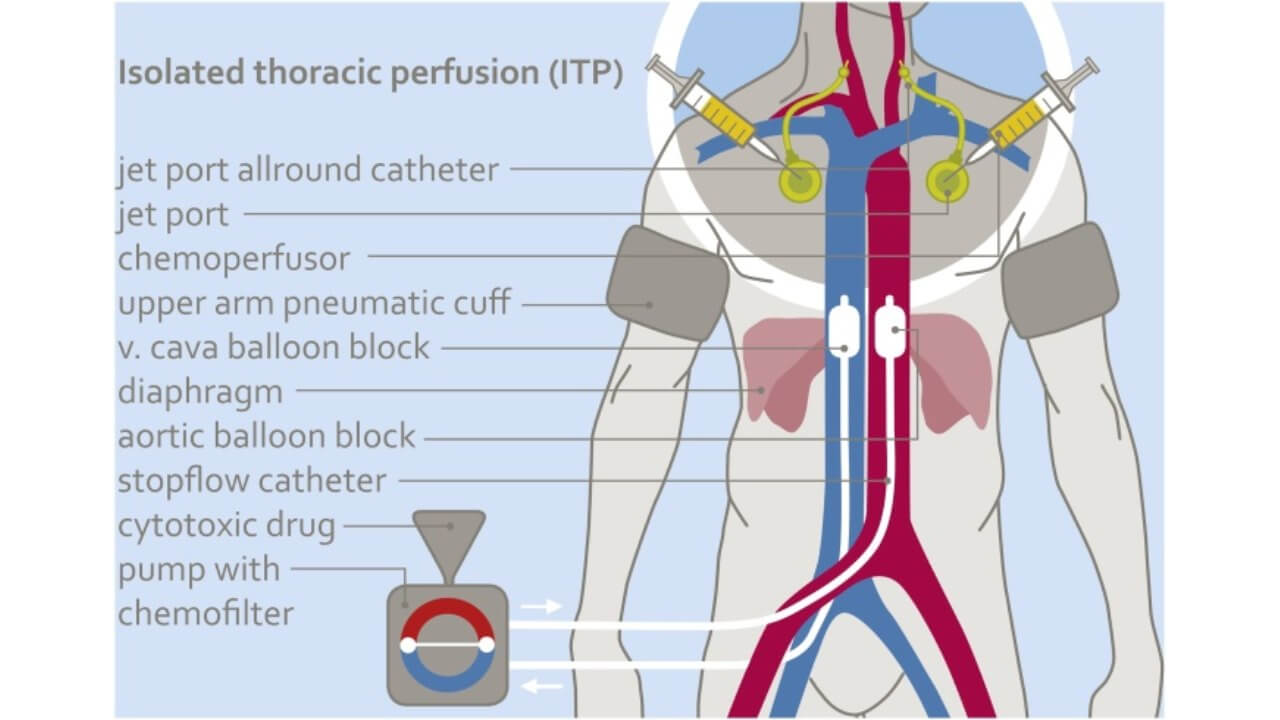
Одним из вариантом лечения рака головы и шеи методом регионарной химиотерапии является изолированная торакальная перфузия с химиофильтрацией [9]. Процедура предполагает введение высокой дозы химиопрепаратов в общую сонную артерию через катетеры, за счет чего обеспечивается поступление лекарств к артериям головы и шеи – в результате они попадают в очаг рака миндалин быстрее и эффективнее. На следующем этапе проводится химиофильтрация – процедура очистки крови для выведения остатка лекарственных препаратов и защиты таких органов, как печень или почки. Такой подход дает пациенту возможность избавиться от побочных эффектов, которые вызывает стандартное лечение. К тому же метод обеспечивает более эффективное снижение опухолевой нагрузки, способствуя достижению контроля над раком как на поздних, так и на ранних стадиях.
Еще один вариант лечения рака шеи и головы методом регионарной химиотерапии – внутриартериальная химиотерапия с использование имплантируемой системы. Непосредственно в артерию, питающую опухоль, устанавливается специальный порт, который можно использовать для проведения нескольких циклов химиотерапии с последующей химиофильтрацией, направленной на снижение системной токсичности лечения. При таком подходе исключаются такие серьезные побочные эффекты, как нейро-, ото- и нефротоксичность, что способствует улучшению качества жизни пациентов и существенному повышению показателей выживаемости.
Профессор Карл Р. Айгнер и его коллеги в Онкологической клинике Медиас Бургхаузен первыми в Германии начали проводить внутриартериальную химиотерапию для лечения рака миндалин. В рамках исследования проводилось от 1 до 7 циклов регионарной химиотерапии по поводу опухолей миндалин у 11 пациентов, ранее не получавших никакого лечения, и этот подход позволил добиться отличных результатов: показатель полного ответа на терапию составил 63,6%, тогда как в 27,3% случаев наблюдалась стабилизация заболевания с частичным ответом на лечение [10]. Медиана общей выживаемости составила 27 месяцев, что значительно превысило этот показатель при применении стандартных вариантов лечения.
В рамках этого и других исследований было задокументировано значительное улучшение показателей выживаемости без прогрессирования заболевания и общей выживаемости при проведении внутриартериальной химиотерапии в качестве метода регионарной химиотерапии, ввиду чего эта процедура считается хорошим вариантом лечения для пациентов с поздними стадиями рака горла и онкобольных с ранними стадиями рак, которые отказываются от хирургического вмешательства.
| Продолжительность курса лечения | Побочные эффекты | Показания | Показатели выживаемости | |
|---|---|---|---|---|
| Регионарная химиотерапия | Несколько сеансов терапии (до 4) | Незначительные (локализованный дискомфорт) | Первичные неоперабельные опухоли и метастазы всех типов злокачественных новообразований | ~80% при поздних стадиях рака |
| Стандартная химиотерапия | Несколько циклов терапии, иногда продолжительностью несколько месяцев | Тяжелые (тошнота, выпадение волос) | Злокачественные опухоли на всех стадиях | ~20% при поздних стадиях рака |
*Данные Booking Health
Почему стоит пройти лечение рака миндалин за рубежом
Для многих пациентов и их семей лечение рака представляет собой сложный процесс, который нередко пугает. При разнообразии мнений врачей-онкологов и других медицинских специалистов можно легко запутаться и вовсе потерять надежду на излечение. Одной из самых сложных задач может стать выбор подходящей больницы и команды врачей для лечения рака шеи и головы. Качество предоставляемого в медицинских центрах лечения рака и ухода за онкологическими пациентами значительно различается, поэтому выбор правильной клиники может повлиять на результаты.
Лечение в ведущих зарубежных клиниках, особенно в Германии, является одним из самых лучших вариантов, при этом независимо от стадии рака и его типа. В таких медучреждениях предлагаются точные методы диагностики и самые современные виды терапии, а также предоставляется специализированная онкологическая помощь с поддержкой на каждом этапе процесса. Здесь, в Германии, пациенты имеют доступ к лечению с применение малоинвазивных и органосохраняющих хирургических вмешательств, таргетной терапии, иммунотерапии.
Врачи-онкологи в ведущих клиниках Германии тщательно изучат ваш анамнез и проведут все необходимые диагностические исследования, включая ПЭТ-КТ или анализ на ВПЧ, если это потребуется для дальнейшего лечения рака. Затем междисциплинарная команда специалистов составит для вас индивидуальную схему лечения, направленную на контроль симптомов опухоли, сохранение качества жизни и достижение полной ремиссии.
Еще одно преимущество выбора клиники в Германии для лечения рака ротоглотки – это опыт. Все онкологические клиники Германии являются научными центрами, ориентированными на проведение исследований и внедрение инноваций, благодаря чему они славятся высокими показателями выживаемости и низким профилем осложнений, а также уделяют должное внимание каждой детали на пути пациента к выздоровлению.
| Методы лечения | Германия | США | Великобритания | Австралия |
|---|---|---|---|---|
| Хирургическое вмешательство | €25,000 - €45,000 | €65,000 - €85,000 | €35,000 - €55,000 | €30 000 - €50 000 |
| Химиотерапия | полный курс €80,000 - €150,000 | полный курс €100,000 - €180,000 | полный курс €90,000 - €165,000 | полный курс €50,000 - €200 000 |
| Терапия дендритными клетками | €20,000 - €38,000 | €100,000 - €150,000 | Не проводится | Не проводится |
*Цены могут варьироваться в зависимости от проводимого курса лечения и особенностей опухоли
История об успешном лечении пациента
Нередко пациенты воспринимают позднюю стадию карциномы миндалин в полости рта как приговор и теряют надежду, отказываясь от шанса на счастливую жизнь. Для многих пациентов стандартные методы лечения, такие как хирургическое вмешательство, лучевая терапия и химиотерапия, могут угрожать потерей речи и способности глотать или даже потерей своей идентичности и карьеры. Серьезные побочные эффекты традиционных подходов к лечению рака могут стать препятствием на пути к восстановлению здоровья, а также помешать пациенту получить необходимую онкологическую помощь и добиться ремиссии.
Пациент этой истории – 60-летний саксофонист, которому диагностировали 4 стадию рака миндалин с метастазами в лимфатические узлы с обеих сторон шеи [11]. Врачи на родине рекомендовали ему агрессивное хирургическое лечение, которое сделало бы невозможным игру на его любимом музыкальном инструменте, поэтому он был на грани потери карьеры. Мужчина вместе с семьей обратился за помощью в одну из ведущих немецких больниц по лечению рака головы и шеи, где им предложили пройти изолированную торакальную перфузию с химиофильтрацией – инновационное лечение, которое кардинально изменило его жизнь. После выполнения всего одной лечебной процедуры КТ снимки показали впечатляющие результаты: опухоль значительно уменьшилась в размерах. Пациенту провели еще три цикла регионарной терапии. К счастью, опухоль продолжала отвечать на лечение. Спустя 7 месяцев у мужчины наступила полная ремиссия, которая сохраняется уже почти 10 лет. Пациент и его семья были поражены не только результатами терапии, но и вниманием и поддержкой со стороны медицинской команды, благодаря которым опыт лечения был максимально позитивным. Сейчас мужчина продолжает играть на саксофоне и ведет активный образ жизни. Важно отметить и то, что это лечение позволило ему избежать необходимости в трахеостомии или зондовом питании.
Этот клинический случай является ярким примером того, что у отдельных пациентов, даже при диагнозе «рак 4 стадии», когда стандартная терапия может принести больше вреда, чем пользы, такие методы, как изолированная торакальная перфузия с химиофильтрацией, помогают обеспечить эффективный контроль над опухолью. Регионарная химиотерапия помогает более прицельно воздействовать на злокачественное новообразование, сохраняя при этом здоровые клетки и минимизируя побочные эффекты, что важно для пациентов с раком головы и шеи, при котором функциональные нарушения и косметические дефекты существенно влияют на повседневную жизнь человека.
Поездка на лечение за границу с Booking Health
Самостоятельный поиск наилучшей тактики лечения с учетом вашей индивидуальной клинической ситуации – довольно сложная задача. Испытав на себе многочисленные курсы лечения, проконсультировавшись со множеством специалистов и испробовав различные терапевтические процедуры, вам может быть трудно сориентироваться во всей предоставленной врачами информации. В таком случае пациенты зачастую выбирают первый же предложенный вариант лечения или соглашаются на лечение с применением стандартизированных терапевтических протоколов, которое повлечет за собой множество побочных эффектов, вместо того, чтобы рассмотреть возможность терапии с помощью инновационных процедур.
Если вы хотите сделать осознанный выбор и получить лечение рака в соответствии с индивидуально разработанной для вас схемой с учетом особенностей вашей конкретной клинической ситуации, проконсультируйтесь с медицинскими специалистами Booking Health. Компания Booking Health уже более 12 лет занимает ведущие позиции в сфере организации лечения за рубежом с применением новейших инноваций в медицине, поэтому ее специалисты обладают огромным опытом в составлении персонализированных комплексных программ лечения рака для каждого пациента. Booking Health пользуется репутацией авторитетной компании, которая предоставляет персонализированный подбор схемы лечения рака миндалин и клиники с прямым бронированием приема в медицинском центре и полной поддержкой на каждом этапе лечения – от решения организационных вопросов до помощи в процессе лечения. Мы предлагаем:
- Оценку и анализ медицинских заключений пациента
- Составление индивидуальной программы лечения
- Подбор подходящего медицинского учреждения для лечения
- Подготовку медицинской документации и ее направление в выбранную пациентом для лечения клинику
- Консультации с врачами зарубежной клиники для разработки оптимальной медицинской программы на этапе подготовки к поездке на лечение
- Экспертные консультации во время пребывания в больнице
- Последующее консультирование пациента после его возвращения на родину по завершении медицинской программы
- Решение организационных вопросов в рамках подготовки к поездке на лечение за границу
- Координацию и организацию пребывания пациента в другой стране
- Помощь в оформлении визы и бронировании авиабилетов
- Услуги переводчика и персонального координатора, который будет с вами на связи 24/7
- Прозрачные цены на лечение без скрытых платежей
Здоровье – главная ценность в жизни каждого человека, доверять заботу о которой стоит лишь лучшим специалистам с богатым опытом и проверенной репутацией. Booking Health – это ваш надежный партнер, который оказывает всестороннюю помощь на пути к восстановлению здоровья и улучшению качества жизни. Свяжитесь с медицинским консультантом компании, чтобы узнать больше о возможностях персонализированного лечения рака миндалин у ведущих экспертов с использованием инновационных методов.
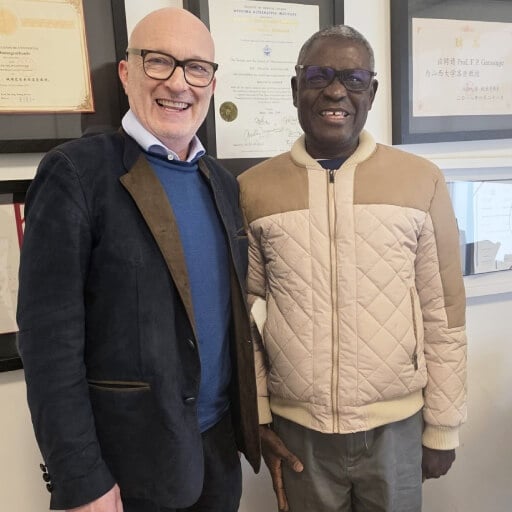
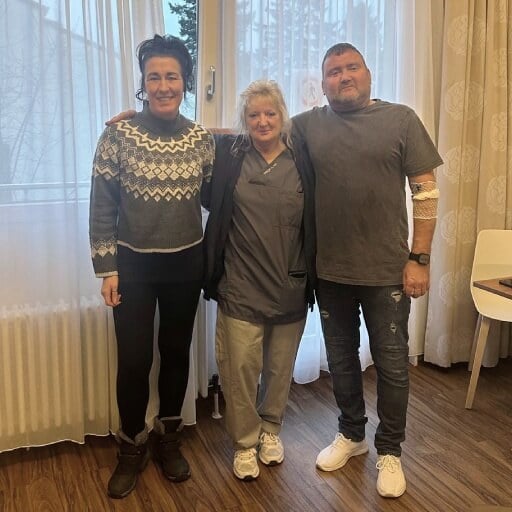
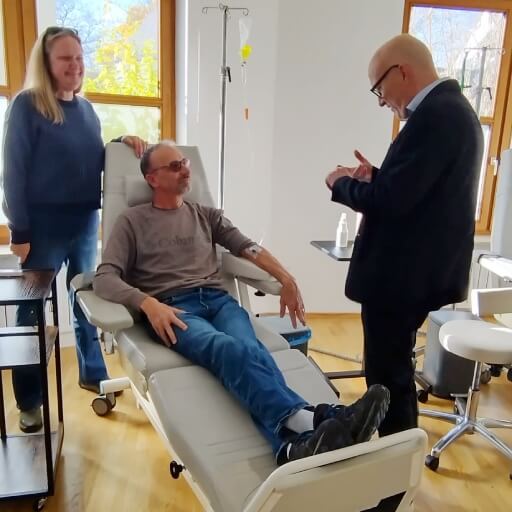
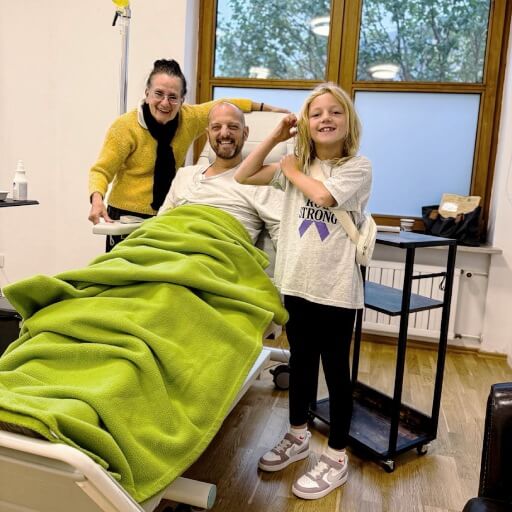
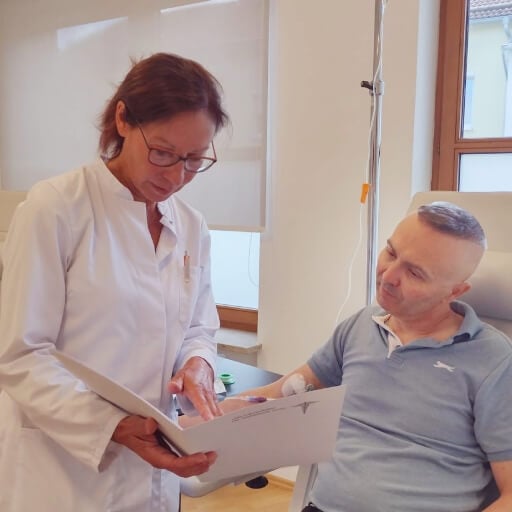
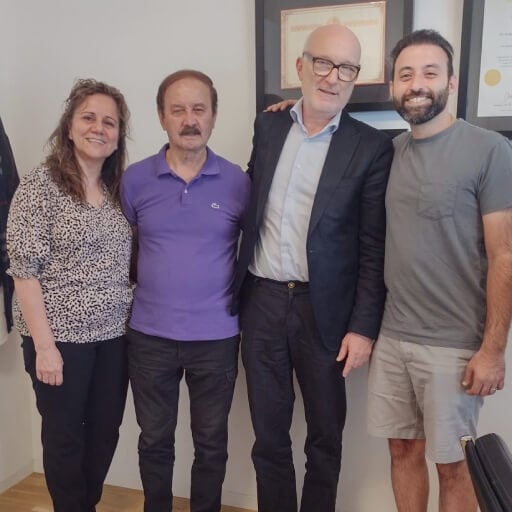
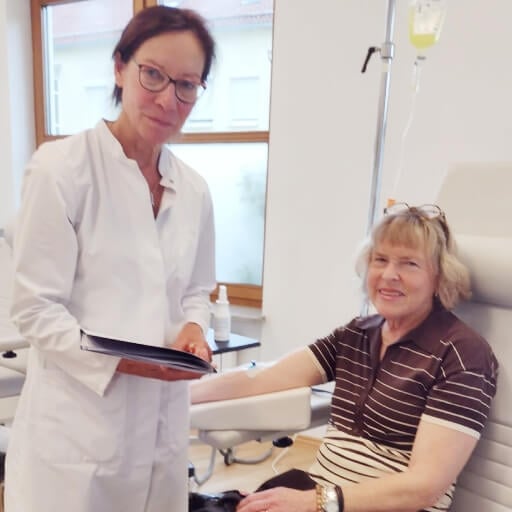
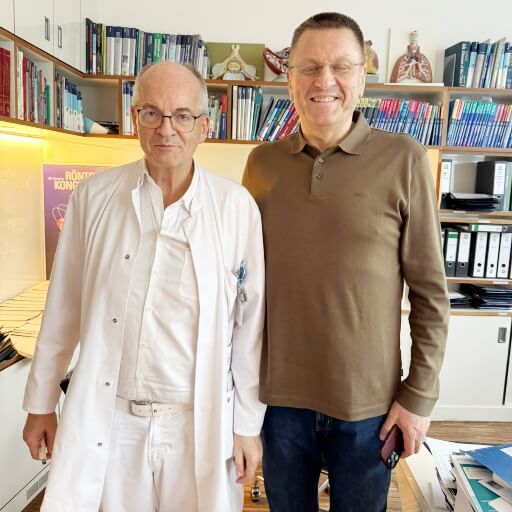
Эффективное лечение рака: опыт пациентов Booking Health


Частые вопросы о раке миндалин
Отправить запрос на лечениеСимптомы рака миндалин на ранней стадии могут напоминать обычную инфекцию горла. Пациенты испытывают боль в горле, затруднение глотания, раздражение. Со временем на шее могут быть видны опухшие лимфатические узлы. Однако при раке миндалин, связанном с ВПЧ, на начальных стадиях симптомы минимальны, что затрудняет раннюю диагностику.
При выявлении рака миндалин на ранней стадии заболевание хорошо лечится, особенно при использовании инновационных методов, таких как регионарная химиотерапия.
Продолжительность жизни определяется в зависимости от стадии рака и наличия метастазов.
При раке миндалин на ранней стадии пациенты жалуются на опухшие миндалины и постоянную боль в горле. Позже могут возникнуть затруднения при глотании, боль в ухе, уплотнение на шее.
Если начать лечить рак миндалин на ранних стадиях, можно добиться полного излечения заболевания. При проведении комбинированного лечения и применении индивидуального подхода к терапии у пациентов есть все шансы на достижение длительной ремиссии.
Последней стадией прогрессирования рака миндалин является стадия 4c: опухоль не только поражает близлежащие органы и лимфатические узлы, но и дает отдаленные метастазы в такие органы, как легкие, печень или кости.
Да, успешный результат лечения обеспечивает онкологическая помощь, базирующаяся на применении мультимодального подхода, включающего проведение хирургического вмешательства, лучевой терапии и инновационных лечебных процедур, например, регионарной химиотерапии.
Показатели выживаемости при ВПЧ-положительных опухолях миндалин на ранних стадиях составляют около 80-90%, тогда как при ВПЧ-отрицательных – около 40-50%.
Наиболее эффективный вариант лечения рака миндалин определяется в зависимости от стадии и конкретного типа заболевания. Во многих случаях рак миндалин лечится инновационными методами, например, терапией дендритными клетками или регионарной химиотерапией, которые сопровождаются меньшим количеством побочных эффектов и обеспечивают лучший результат. Такая онкологическая помощь дает пациенту шанс сохранить достойное качество жизни даже на поздних стадиях заболевания.
В последние годы вирус папилломы человека стал основной причиной развития опухолей миндалин. Как правило, ВПЧ-положительные рак характеризуется лучшим прогнозом и лучше лечится.
Показатели выживаемости при лечении рака миндалин 4 стадии составляют около 30-40%. Однако при применении инновационных персонализированных методов лечения даже у пациентов с прогрессирующим раком 5-летняя выживаемость достигает около 65%.
Иммунотерапия при раке миндалин, включая терапию ингибиторами контрольных точек иммунного ответа, является одним из возможных вариантов лечения. Этот терапевтический подход помогает иммунной системе организма самостоятельно распознавать и уничтожать раковые клетки. Терапия дендритными клетками также является новой формой иммунотерапии, которая помогает сформировать пожизненный иммунитет против рака миндалин.
Стоимость лечения рака миндалин составляет от €20 000 за терапию дендритными клетками, тогда как цена длительного курса химиотерапии, хирургического вмешательства и медицинских расходов на поездку в Германию может превышать €150 000. Стоимость лечения в США варьируется от €200 000 до €300 000.
Выбирайте лечение за рубежом и Вы, несомненно, получите отличный результат!
Авторы:
Статья составлена под редакцией экспертов в области медицины, врачей-специалистов доктора Надежды Иванисовой и доктора Яны Дмитришин. Для лечения состояний, о которых идет речь в статье, необходимо обратиться к врачу; информация в статье не предназначена для самолечения!
С редакционной политикой, которая отражает наше стремление к точности и прозрачности, можно ознакомиться здесь. Перейдите по ссылке, чтобы ознакомиться с нашими правилами.
Источники:
[1] Andrew J. Williamson; Sanjana Mullangi; Ajeet Gajra. Tonsil Cancer. In: StatPearls [Internet]. Treasure Island (FL): StatPearls Publishing; 2025 Jan. 2023 Sep 4. [NCBI]
[2] Aimée R. Kreimer, Anil K. Chaturvedi, Laia Alemany, et al. Summary from an international cancer seminar focused on human papillomavirus (HPV)-positive oropharynx cancer, convened by scientists at IARC and NCI. Oral Oncology Vol. 108, September 2020, 104736. [DOI]
[3] Teresa V Chan. The Patient with Sore Throat. Med Clin North Am. 2010 Aug 22;94(5):923–943. doi: 10.1016/j.mcna.2010.06.001. [DOI] [PMC free article]
[4] Rengaswamy Sankaranarayanan, Kunnambath Ramadas, Hemantha Amarasinghe, Sujha Subramanian, and Newell Johnson. Oral Cancer: Prevention, Early Detection, and Treatment. In: Cancer: Disease Control Priorities, Third Edition (Volume 3). Washington (DC): The International Bank for Reconstruction and Development / The World Bank; 2015 Nov 1. Chapter 5. doi: 10.1596/978-1-4648-0349-9_ch5. [DOI] [NCBI]
[5] Jia Wang, Xiaolin Li, Dongdong Niu et al. Mortality patterns of patients with tonsillar squamous cell carcinoma: a population-based study. Front Endocrinol (Lausanne). 2023 Dec 7;14:1158593. doi: 10.3389/fendo.2023.1158593. [DOI] [PMC free article]
[6] Maura L Gillison, Qiang Zhang, Richard Jordan et al. Tobacco Smoking and Increased Risk of Death and Progression for Patients With p16-Positive and p16-Negative Oropharyngeal Cancer. J Clin Oncol. 2012 May 7;30(17):2102–2111. doi: 10.1200/JCO.2011.38.4099. [DOI] [PMC free article]
[7] Evan J Patel, Angela W Zhu, Jamie R Oliver et al. Treatment of Early Stage Tonsil Cancer in the Age of Human Papillomavirus-Associated Malignancies. Otolaryngol Head Neck Surg. 2021 Jul;165(1):104-112. doi: 10.1177/0194599820973256. Epub 2020 Dec 8. [DOI] [PubMed]
[8] Ralph M Steinman. Dendritic cells: understanding immunogenicity. Eur J Immunol. 2007 Nov:37 Suppl 1:S53-60. doi: 10.1002/eji.200737400. [DOI] [PubMed]
[9] Karl R Aigner, Emir Selak, Kornelia Aigner. Short-term intra-arterial infusion chemotherapy for head and neck cancer patients maintaining quality of life. J Cancer Res Clin Oncol. 2019 Jan;145(1):261-268. doi: 10.1007/s00432-018-2784-4. Epub 2018 Oct 31. [DOI] [PubMed]
[10] Karl Reinhard Aigner, Sabine Gailhofer, Kornelia Aigner. Carotid artery infusion via implantable catheters for squamous cell carcinoma of the tonsils. World J Surg Oncol. 2018 Jun 5;16:104. doi: 10.1186/s12957-018-1404-8. [DOI] [PMC free article]
[11] Karl R Aigner, Emir Selak, Kornelia Aigner. Approaching 10 years disease-free survival after isolated thoracic perfusion for advanced stage IV tonsil carcinoma: A case report. Int J Surg Case Rep. 2020:75:71-74. doi: 10.1016/j.ijscr.2020.08.058. Epub 2020 Sep 3. [DOI] [PubMed]
Читайте:
Лечение рака на поздних стадиях: новейшие методы и технологии в борьбе с метастазами