




Рак по-прежнему представляет собой одну из самых серьезных проблем современной медицины. Согласно статистическим данным, в 2020 году во всем мире было зарегистрировано около 19,3 миллиона новых случаев заболевания раком, из которых почти 10 миллионов завершились летальным исходом [1]. К 2022 году эта цифра выросла до 20 миллионов новых диагнозов в год – это означает, что каждый пятый человек заболеет раком в течение жизни [2]. Но еще больше поражает другой факт: согласно прогнозам, к 2050 году число новых случаев онкологии достигнет 35 миллионов – рост на 77% всего за три десятилетия [2].
Эта статистика представляет собой нечто большее, чем просто цифры, ведь за ней стоят тысячи людей, которые отчаянно пытаются найти надежду на жизнь, тогда как традиционные методы лечения оказываются бессильными или приводят к развитию невыносимых побочных эффектов. Основу лечения рака составляют химиотерапия, лучевая терапия и хирургия. Тем не менее, они имеют ряд ограничений, которые становятся совершенно очевидными, как только дело доходит до борьбы с поздними стадиями заболевания – особенно когда опухоли становятся резистентными к терапии или когда токсичность лечения становится столь же разрушительной, как и само заболевание.
В онкологии постоянно появляются инновационные подходы. Одной из таких новаторских разработок является электрохимиотерапия (ЭХТ) – метод нехирургического лечения рака, который повышает эффективность химиотерапевтических препаратов и снижает их токсическую нагрузку на организм пациента. Комбинация точной подачи электрических импульсов и применения очень низкой дозы лекарственных препаратов позволяет ЭХТ электрохимиотерапии открывать клеточные мембраны, обеспечивая проникновение медикаментов непосредственно в опухолевый очаг. Результат процедуры впечатляет: более эффективное лечение, меньшее количество побочных эффектов и лучшее качество жизни.
Неабляционная электрохимиотерапия (НА-ЭХТ) подходит пациентам, для которых традиционные методы лечения исчерпали свои возможности, или тем, кто находится в поиске более щадящих альтернативных вариантов терапии. Однако крайне важно понимать, когда и как этот метод лечения работает лучше всего, а это требует более глубокого изучения его механизмов действия, специфики обрабатываемых областей и результатов.
Принцип действия электрохимиотерапии (ЭХТ) у пациентов с раком
Клеточные мембраны можно сравнить со стенами крепости: чтобы уничтожить раковые клетки химиопрепаратам необходимо преодолеть эти «стены крепости», однако многие фармакологические средства в онкологии не способны это сделать. Традиционная химиотерапия компенсирует это препятствие, насыщая весь организм токсичными препаратами в надежде, что достаточное их количество все же достигнет опухоли. Данный подход сопряжен с двумя проблемами: недостаточная концентрация препаратов в месте локализации злокачественного новообразования и значительное токсическое воздействие на здоровые ткани.
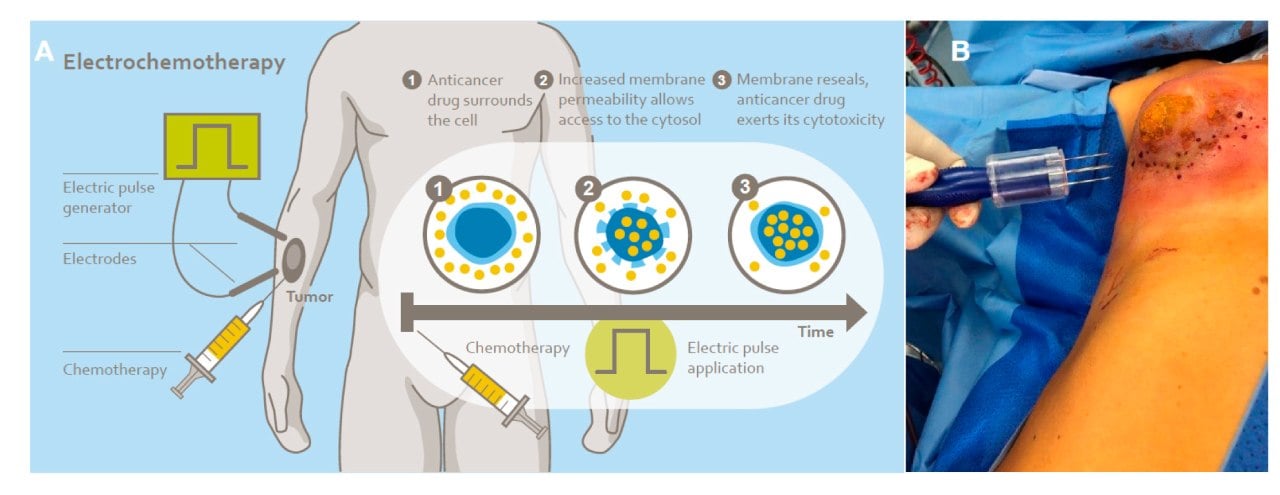
Внедрение электрохимиотерапии в клиническую практику коренным образом изменило «формулу» борьбы с раком. Процедура предполагает комбинацию двух компонентов: локальное введение химиопрепаратов и подачу коротких интенсивных электрических импульсов через игольчатые электроды, которые с высокою степенью точности устанавливаются внутри опухоли или вокруг нее [3]. Продолжительность каждого электрического импульса составляет микросекунды – обычно восемь электрических импульсов по 100 микросекунд каждый – но они оказывают очень сильное воздействие. В ходе процедуры формируется электрическое поле, которое временно увеличивает проницаемость клеточной мембраны посредством явления, известного как электропорация (ЭП) – лишь на короткое время создавая поры, через которые лекарственные препараты проникают в раковые клетки [4].
Именно в этом заключается уникальность метода: электропорация увеличивает поглощение лекарственных препаратов раковыми клетками в 80-300 раз, а при использовании некоторых групп медикаментов можно добиться даже 1000-кратного увеличения [5]. Благодаря появлению ЭХТ (электрохимиотерапии) у врачей практически моментально появилась возможность достигать превосходных терапевтических результатов, используя при этом лишь небольшую часть дозы лекарственных препаратов, необходимой для проведения традиционной химиотерапии. Уменьшение дозы препарата означает существенное снижение системной токсичности терапии. Данный метод лечения является локализованным: увеличение проницаемости клеточных мембран достигается только в клетках, попадающих в зону действия электрического поля, тогда как здоровые ткани остаются невредимыми.
Механизм проведения процедуры довольно прост: после введения лекарственного препарата (он вводится внутривенно или непосредственно в опухоль) под визуальным контролем – УЗИ, КТ или прямая визуализация во время операции – в таргетной области устанавливаются электроды. На основе расположения электродов и геометрии опухоли специальные генераторы с компьютерным управлением рассчитывают оптимальные параметры подачи электрических импульсов. Подача электрических импульсов к онкологическому очагу обеспечивает кратковременное открытие пор клеточных мембран – примерно на 5 минут, в течение которых препараты активно проникают в раковые клетки. После естественного восстановления мембран препараты остаются внутри раковых клеток, разрушая ДНК, предотвращая их деление и запуская апоптоз.
| Фаза | Что происходит | Эффекты электрохимиотерапии |
|---|---|---|
| Перед подачей импульсов | Химиотерапевтический препарат окружает опухолевые клетки в обрабатываемой области | Лекарственный препарат находится вблизи раковых клеток, но не может проникнуть в них |
| Во время подачи импульсов | Вокруг опухоли формируется электрическое поле высокой интенсивности | В клеточных мембранах образуются временные поры (электропорация опухолевых клеток) |
| Непосредственно после подачи импульсов | Лекарственные средства проникают в клетки через открытые поры | Увеличение внутриклеточной концентрации препарата в 80-1000 раз |
| Восстановление клеточных мембран | Клеточные мембраны закрываются, удерживая лекарственные препараты внутри обработанной области | Лекарственные препараты все еще удерживаются внутри опухолевых клеток |
| Терапевтический эффект | Медикаменты нарушают структуру ДНК раковых клеток и вызывают их повреждение, что в конечном итоге приводит к их гибели | Гибель опухолевых клеток |
| Клинический результат | Уменьшение размера опухоли, потенциально обеспечивается полный ответ на лечение | Измеримое уменьшение размера опухоли после лечения рака без операции |
Показания к проведению лечения ЭХТ (электрохимиотерапией) и клиническое применение метода
Высокоскоростная электрохимиотерапия (ВР-ЭХТ) демонстрирует эффективные результаты при различных типах опухолей, хотя показатели ответа на лечение варьируются в зависимости от особенностей опухоли – в частности, кровоснабжения и архитектуры ткани.
Основные показания к лечению с помощью электрохимиотерапии (ЭХТ)
Опухоли головы и шеи. Проект EURECA (Европейское исследование электрохимиотерапии при раке головы и шеи) продемонстрировал показатели общей безрецидивной выживаемости на уровне 89% через год после лечения – это относится к опухолям кожи и слизистых оболочек. При рецидивирующих злокачественных новообразованиях слизистых оболочек показатель объективного ответа на терапию составил 56% – даже в тех случаях, когда традиционные методы лечения были неэффективными [7].
Рак анального канала. Недавние клинические исследования демонстрируют выдающиеся результаты лечения плоскоклеточного рака анального канала. Для примера рассмотрим случай в одном из клинических исследований: у всех 4 пациентов, которые получили лечение с помощью изолированной гипоксической перфузии таза в комбинации с электрохимиотерапией, удалось добиться полной клинической и патологической ремиссии – это позволило сохранить 100% безрецидивную выживаемость в течение 8-48 месяцев без необходимости проведения колостомии [8]. Такие результаты свидетельствуют об очевидном улучшении исхода терапии по сравнению с традиционной абдоминоперинеальной резекцией (требующей формирования постоянной колостомы, что крайне неудобно для пациентов) или стандартными протоколами химиотерапии (с высокой токсичностью). Лечение ЭХТ (электрохимиотерапией) позволяет сохранить органы без разрушительных побочных эффектов традиционной радиохимиотерапии, что особенно важно для пациентов с раком.
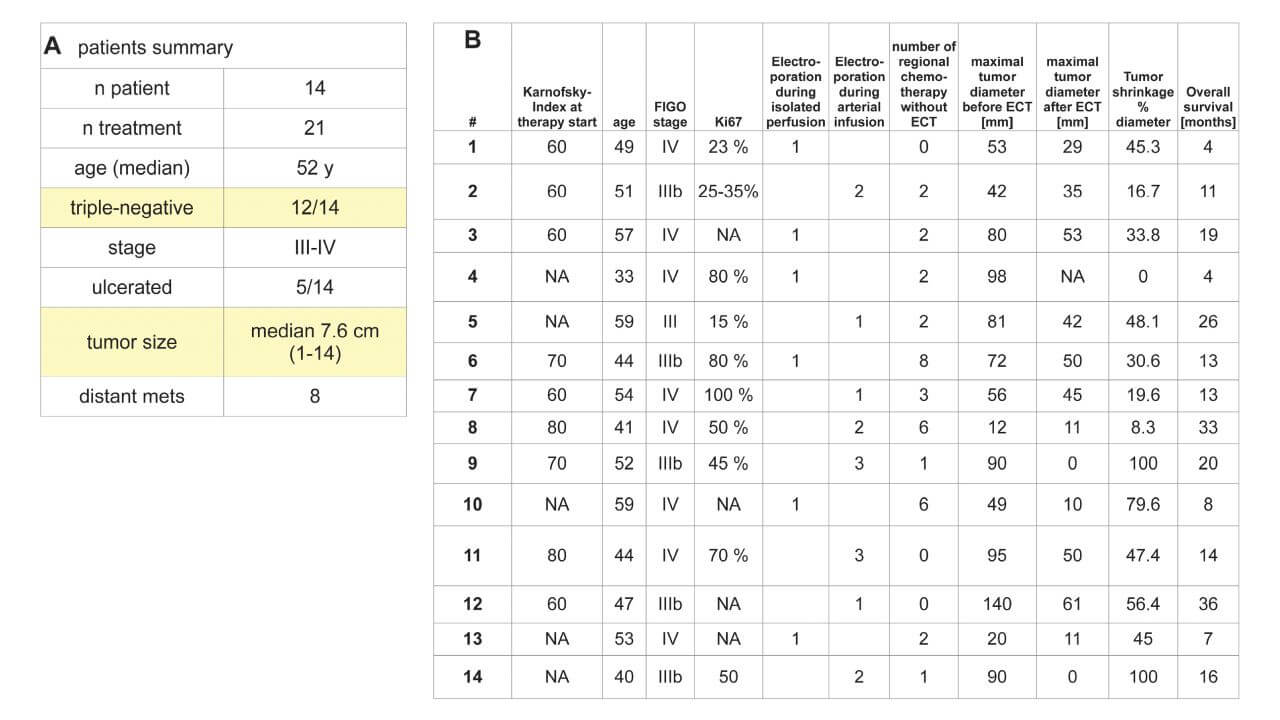
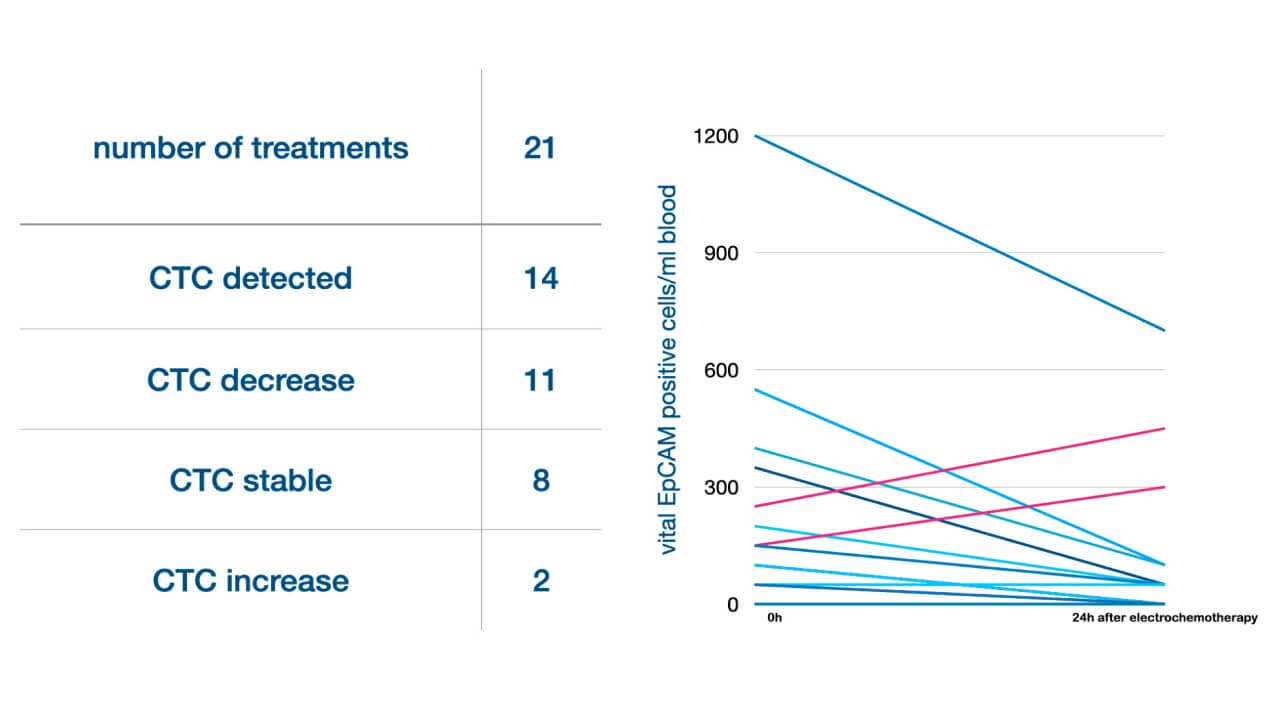
Рак молочной железы. Кожные и подкожные метастазы рака молочной железы очень хорошо поддаются лечению ЭХТ (электрохимиотерапией). По данным исследований, показатель объективного ответа на такую терапию составляет 75-99%, при этом особенно впечатляющие результаты наблюдаются у пациенток пожилого возраста и ослабленных онкобольных, которые плохо переносят стандартные протоколы химиотерапии [9]. Такое лечение обеспечивает облегчение симптомов и локальный контроль над раком без ущерба для качества жизни. Метод также можно использовать, чтобы лечить первичную опухоль молочной железы.
Рак поджелудочной железы. Исследования фазы I/II при местнораспространенном раке поджелудочной железы подтверждают эффективность и безопасность ЭХТ (электрохимиотерапии), демонстрируя обнадеживающие ранние результаты в обеспечении локального контроля над заболеванием и устранении симптомов. Важно понимать, что для любого типа рака с резистентностью и неблагоприятным прогнозом даже незначительное улучшение исхода терапии имеет огромное значение.
Рак шейки матки. Врачи могут лечить первичную опухоль и рецидив заболевания с помощью ЭХТ (электрохимиотерапии) – результаты исследований демонстрируют подавление роста линий клеток рака шейки матки [10].
Кожные и подкожные метастазы. Согласно данным в научной литературе, в рамках знакового исследования ESOPE частота объективного ответа на электрохимиотерапию составила 85,3%, при этом полный ответ наблюдался в 56,4% случаев при опухолях различного гистологического типа [6]. Данный метод лечения обеспечивает превосходные результаты при лечении базальноклеточной карциномы и метастазов меланомы: у отдельных групп пациентов исследования показывают 100% безрецидивную выживаемость по прошествии 1 года [7].
Другие злокачественные опухоли. В клинических условиях также предпринимались попытки лечить опухоли желчных протоков, рак желудка, рак пищевода, остеосаркому, рак яичников и мезотелиому плевры. Доказательная база расширяется, и появляется все больше сфер применения электрохимиотерапии.
Применение электрохимиотерапии в рамках комплексных схем лечения
ЭХТ (электрохимиотерапия) редко используется в качестве самостоятельного метода лечения: для повышения эффективности этой процедуры из арсенала интервенционной онкологии (ИО) требуется ее тщательно продуманная интеграция с другими методами лечения. Важно найти специалиста с соответствующими квалификациями для проведения всего спектра терапевтических процедур в области онкологии, чтобы схема лечения не ограничивалась лишь стандартными подходами.
Электрохимиотерапия + регионарная химиотерапия. Локальная электрохимиотерапия (Л-ЭХТ) проводится в сочетании с техниками регионарной перфузии – это дает возможность доставлять концентрированные дозы химиопрепаратов к определенным участкам тела перед воздействием на них электрическими импульсами. Такая комбинация техник позволяет достичь очень высокой концентрации медикаментов в онкологическом очаге. При необходимости выполняется специальная процедура фильтрации для выведения остаточных химиопрепаратов из кровотока, что способствует минимизации системного воздействия лечения на организм пациента. При метастазах в печень, опухолях малого таза и саркомах конечностей данный подход демонстрирует превосходные результаты в плане достижения локального контроля над онкопроцессом по сравнению с применением любого из этих методов по отдельности.
Электрохимиотерапия + гипертермия. Нагревание опухоли до 38-39°C способствует усилению кровотока и, посредством этого механизма, также улучшается поступление лекарственных препаратов к новообразованию. Результаты исследований по применению комбинированного лечения региональной гипертермией и химиотерапией свидетельствуют об улучшении показателей эффективности при меланоме, раке поджелудочной железы и метастазах в печени. Проведение ЭХТ (электрохимиотерапии) после гипертермии обеспечивает прекрасный синергетический эффект: за счет усиления кровотока к опухоли поступает большее количество лекарственных препаратов, тогда как электропорация гарантирует их эффективное проникновение в клетки. Такая комбинация лечебных методик является предпочтительным вариантом для многих пациентов.
Электрохимиотерапия + иммунотерапия. Как показывают новые данные, ЭХТ может спровоцировать иммуногенную гибель клеток, потенциально побуждая иммунную систему активнее распознавать и атаковать раковые клетки по всему организму. Это связано с тем, что во время гибели клеток после выполнения ЭХТ (электрохимиотерапии) в кровоток попадают многочисленные опухолевые антигены. В настоящее время проводятся клинические исследования по оценке эффективности ЭХТ в комбинации с терапией ингибиторами контрольных точек иммунного ответа при меланоме, гепатоцеллюлярной карциноме и плоскоклеточном раке.
Неоадъювантная электрохимиотерапия. Проведение лечения ЭХТ (электрохимиотерапией) перед операцией помогает уменьшить размер опухоли, благодаря чему ранее неоперабельные новообразования становятся резектабельными. Например, при раке молочной железы этот подход позволяет проводить органосохраняющую операцию вместо мастэктомии, а при раке поджелудочной железы благодаря уменьшению размера опухоли у пациентов с погранично-резектабельными образованиями может появится шанс на хирургическое лечение.
Возможны и другие варианты комбинированного лечения: например, электрохимиотерапия в сочетании с радиочастотной абляцией (ЭХТ-РЧА) и электрохимиотерапия в сочетании с фотодинамической терапией (ЭХТ-ФДТ).
Как проводится сеанс лечения ЭХТ (электрохимиотерапией)
Как правило, при опухолях небольшого размера процедура проводится под местной анестезией, а при более крупных зонах лечения применяется общий наркозом. В большинстве случаев продолжительность сеанса терапии составляет 30-60 минут. Пациенты испытывают минимальный дискомфорт: во время подачи импульсов возникают некоторые сокращения мышц, однако это не сопровождается сильной болью. Многие пациенты начинают ходить уже через несколько часов после выполнения лечебной процедуры.
| Характеристика | Особенности |
|---|---|
| Место проведения | Амбулаторная процедура (при лечении опухолей небольшого размера) |
| Анестезия | Местная или общая – в зависимости от размера и локализации опухоли |
| Положение пациента | Удобное положение, обеспечивающее доступ электродов к опухоли |
| Мониторинг | Синхронизация ЭКГ (позволяет избежать уязвимой фазы сердечного цикла) |
| Мышечные сокращения | Кратковременные и непроизвольные во время подачи импульсов (применение анестезии исключает любые болевые ощущения) |
| Состояние пациента непосредственно после процедуры | Пациенты могут передвигаться самостоятельно уже спустя нескольких часов после проведения процедуры |
| Необходимое количество сеансов лечения | Для достижения максимальных эффектов электрохимиотерапии достаточно всего 1-2 процедуры (результаты лечения оцениваются с интервалом в 3 недели) |
| Возможность повторного проведения | При необходимости возможно повторное проведение процедуры, можно повторить – нет предела кумулятивной токсичности |
| Госпитализация | Как правило, лечение проводится в условиях дневного стационара; госпитализация на ночь может потребоваться при выполнении более обширной и сложной процедуры |
Преимущества и ограничения лечения рака методом ЭХТ (электрохимиотерапия)
Преимущества ЭХТ при раке заключаются не только в высоких показатели эффективности метода. Именно поэтому данный терапевтический подход становится все более популярным как среди медицинских работников, так и среди пациентов.
- Снижение системной токсичности. Применение очень низкой дозы лекарственных препаратов – в 10-20 раз ниже, чем при традиционной химиотерапии – способствует уменьшению количества побочных эффектов. При выборе в пользу ЭХТ (электрохимиотерапии) пациенты избегают распространенных осложнений химиотерапии: сильная тошнота, выпадение волос, угнетение функции костного мозга и периферическая нейропатия встречаются гораздо реже [11].
- Сохранение органов. При опухолях в косметически или функционально чувствительных обрабатываемых областях – лицо, гениталии, руки – электрохимиотерапия обеспечивает эффективный локальный контроль без разрушения тканей.
- Возможность повторного проведения. В отличие от лучевой терапии (имеющей пределы кумулятивной дозы) или хирургии (обладающей высокой технической сложностью при выполнении вмешательства в ранее прооперированных областях), ЭХТ (электрохимиотерапию) можно проводить повторно – при необходимости даже несколько раз.
- Экономическая эффективность. Анализ свидетельствует о благоприятном соотношении стоимости лечения ЭХТ и эффективности метода по сравнению с альтернативными видами терапии, такими как изолированная перфузия конечности или гипертермия в комбинации с облучением.
- Качество жизни. Пациенты неизменно отмечают сохранение или улучшение качества жизни после лечения ЭХТ (электрохимиотерапией): возможность ходить, есть и нормально функционировать вскоре после проведения процедуры резко контрастирует с изнурительными последствиями интенсивной системной химиотерапии.
- Синергетический потенциал. В сочетании с регионарной химиотерапией, гипертермией или иммунотерапией ЭХТ обеспечивает синергетический эффект – результат комплексного лечения этими методами превосходит возможности каждого из них по отдельности. Проведение регионарной гипертермии и химиотерапии для лечения метастазов рака способствует повышению терапевтической эффективности по сравнению с применением только химиотерапии.

Важные ограничения
Ни один метод лечения не является универсально эффективным, поэтому понимание ограничений ЭХТ (электрохимиотерапии) помогает сформировать реалистичные ожидания касательно возможностей лечения.
Доступность опухоли. Электрохимиотерапия наиболее эффективна при опухолях, к которым можно беспрепятственно подвести электроды и подать электрический импульс. Хотя современные технологии позволяют лечить и опухоли более труднодоступной локализации (включая метастазы в печени, поджелудочной железе и костях), выполнение терапевтических манипуляций в некоторых анатомических областях представляет собой определенные сложности: например, при лечении опухолей, локализующихся вблизи крупных сосудов или жизненно важных структур, требуется особая осторожность.
Переменный ответ на лечение в зависимости от гистологического типа опухоли. Не все виды рака одинаково отвечают на электрохимиотерапию. Низкая степень васкуляризации новообразования коррелирует со снижением эффективности лечения – лекарственные препараты должны достичь раковых клеток, прежде чем электропорация усилит их поглощение.
Размер опухоли. Для уничтожения опухолей очень крупных размеров может потребоваться проведение нескольких сеансов терапии или дополнения схемы другими методами лечения.
Электрохимиотерапия в Германии: заслуживает ли этот метод внимания пациентов
Электрохимиотерапия представляет собой нечто более одного метода лечения – это серьезный шаг вперед в передовых достижениях в области здравоохранения и ухода. Вместо того чтобы наносить токсическое воздействие на весь организм в надежде, что достаточное количество препаратов достигнет опухоли, электрохимиотерапия с таргетной точностью воздействует на необходимые участки посредством электрической стимуляцию для достижения эффективного результата с минимальным сопутствующим ущербом.
Доказательная база в пользу этого метода лечения продолжает расти: результаты исследований подтверждают важную роль ЭХТ в современной онкологии – от знакового исследования ESOPE, продемонстрировавшего ответ на терапию на уровне 85% при различных типах опухолей, до продолжающихся клинических испытаний по применению метода при раке поджелудочной железы и других сложных злокачественных опухолях. ЭХТ не является методом лечения первой линии, но при ее применении в сочетании с регионарной химиотерапией, гипертермией или иммунотерапией она обеспечивает более эффективные результаты, создавая синергетический эффект, который дает надежду на восстановление здоровья пациентам с ограниченными возможностями лечения.
| Метод | Системная токсичность | Существенные изменения внешнего вида | Продолжительность курса лечения | Стоимость лечения |
|---|---|---|---|---|
| Электрохимиотерапия | Низкая, здоровые ткани не повреждаются | Отсутствуют | 1-2 процедуры с интервалом в 3 недели | 7,500-12,000€ |
| Стандартные методы лечения | Высокая (особенно при системной химиотерапии) | Серьезные изменения во внешности пациента и функциональные нарушения | До 1 года | До €250,000 |
Однако стоит понимать, что электрохимиотерапия не является чудодейственным средством или универсальным решением в области онкологии. Для успешного исхода терапии необходимо соблюдать принципы тщательного отбора пациентов, обладать соответствующим опытом в проведении таких процедур, а также нередко сочетать процедуру с другими методами лечения. Электрохимиотерапия позволяет достичь главной цели лечения рака: эффективного контроля над заболеванием при сохранении качества жизни пациента. Возможность пройти лечение утром, а уже к вечеру пройтись по коридору клиники – для поддержания сил, комфорта и чувства собственного достоинства в процессе борьбы с раком – является бесценной.
С накоплением клинического опыта в применении этого терапевтического подхода электрохимиотерапия с высокой вероятностью станет все более важной частью арсенала онкологов. Цель лечения рака должна заключаться не только в продлении жизни, но и в достижении ее достойного качества, а электрохимиотерапия в руках опытных специалистов способствует выполнению этой задача.
Поездка на лечение за границу с Booking Health
Самостоятельный поиск наилучшей тактики лечения с учетом вашей индивидуальной клинической ситуации – довольно сложная задача. Испытав на себе многочисленные курсы лечения, проконсультировавшись со множеством специалистов и испробовав различные терапевтические процедуры, вам может быть трудно сориентироваться во всей предоставленной врачами информации. В таком случае пациенты зачастую выбирают первый же предложенный вариант лечения или соглашаются на лечение с применением стандартизированных терапевтических протоколов, которое повлечет за собой множество побочных эффектов, вместо того, чтобы рассмотреть возможность терапии с помощью инновационных процедур.
Если вы хотите сделать осознанный выбор и получить лечение рака в соответствии с индивидуально разработанной для вас схемой с учетом особенностей вашей конкретной клинической ситуации, проконсультируйтесь с врачами-консультантами Booking Health. Компания Booking Health уже более 12 лет занимает ведущие позиции в сфере организации лечения за рубежом с применением новейших инноваций в медицине, поэтому ее специалисты обладают огромным опытом в составлении персонализированных комплексных программ лечения для каждого пациента. Booking Health пользуется репутацией авторитетной компании, которая предоставляет персонализированный подбор схемы лечения и клиники с прямым бронированием приема в медицинском центре и полной поддержкой на каждом этапе лечения – от решения организационных вопросов до помощи в процессе лечения. Мы предлагаем:
- Оценку и анализ медицинских заключений пациента
- Составление индивидуальной программы лечения
- Подбор подходящего медицинского учреждения для лечения
- Подготовку медицинской документации и ее направление в выбранную пациентом для лечения клинику
- Консультации с врачами зарубежной клиники для разработки оптимальной медицинской программы на этапе подготовки к поездке на лечение
- Экспертные консультации во время пребывания в больнице
- Последующее консультирование пациента после его возвращения на родину по завершении медицинской программы
- Решение организационных вопросов в рамках подготовки к поездке на лечение за границу
- Координацию пребывания пациента в другой стране, помощь в бронировании номера в отеле или апартаментов на период лечения
- Помощь в оформлении визы и бронировании авиабилетов
- Услуги переводчика и персонального координатора, который будет с вами на связи 24/7
- Прозрачные цены на лечение без скрытых платежей
Здоровье – главная ценность в жизни каждого человека, доверять заботу о которой стоит лишь лучшим специалистам с богатым опытом и проверенной репутацией. Booking Health – это ваш надежный партнер, который оказывает всестороннюю помощь на пути к восстановлению здоровья и улучшению качества жизни. Свяжитесь с врачом-консультантом компании, чтобы узнать больше о возможностях персонализированного лечения различных типов рака у ведущих специалистов с использованием инновационных методов.
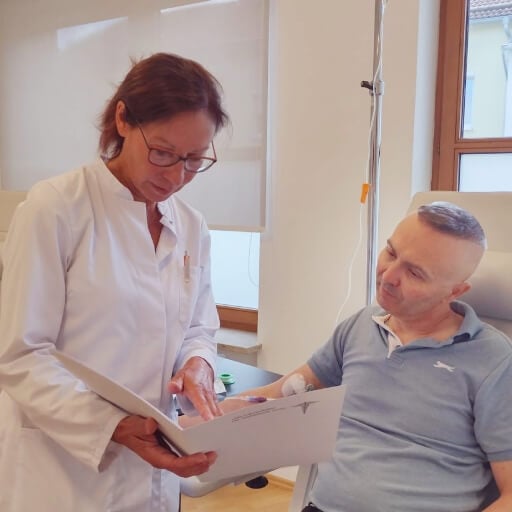
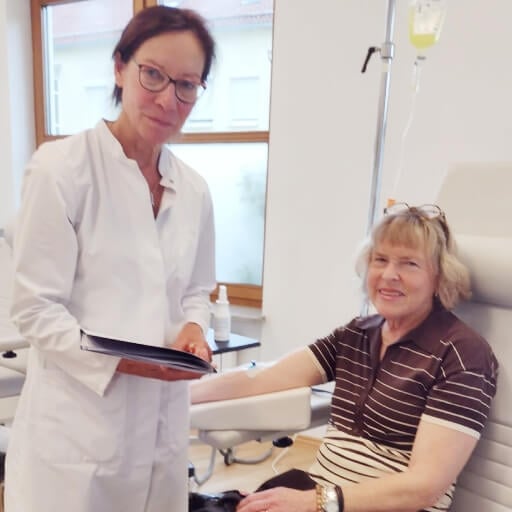
Инновации в онкологии: опыт пациентов Booking Health


Частые вопросы: электрохимиотерапия для лечения рака
Отправить запрос на лечениеТрадиционная химиотерапия предполагает введение в организм пациента высоких доз лекарственных препаратов в надежде, что их достаточное количество достигнет опухоли, результатом чего становится развитие серьезной системной токсичности. В ходе проведения электрохимиотерапии используется процедура электропорации, суть которой состоит в воздействии на опухолевую ткань электрическими импульсами, открывающими клеточные мембраны. Этот процесс позволяет медикаментам в 10-20 раз меньших дозах проникать непосредственно в раковые клетки, что в итоге приводит к возникновению минимального количества побочных эффектов и максимальному уничтожению опухолевой массы.
В ходе знаковых клинических испытаний лечение рака методом ЭХТ (электрохимиотерапии) продемонстрировало частоту объективного ответа на процедуру на уровне 85,3%, причем в 56,4% случаев наблюдалась полная элиминация опухоли. При раке головы и шеи исследования показали 89% безрецидивной выживаемости через 1 год. Ответ на лечение варьируется в зависимости от конкретного типа опухоли: например, при метастазах рака молочной железы показатели эффективности ЭХТ достигают 75-99%.
Успешный результат такой терапии зависит от особенностей опухоли, в частности ее кровоснабжения и локализации. Данный метод лечения демонстрирует очень хорошие результаты при локализованных опухолях – в отдельных группах пациентов регистрируется безрецидивная выживаемость на уровне 100% через год после проведения ЭХТ. У пациентов с раком анального канала, прошедших лечение электрохимиотерапией, наблюдается полная ремиссия с периодами без признаков заболевания от 8 до 48 месяцев.
В отличие от лучевой терапии, для которой характерны ограничения по кумулятивной дозе, электрохимиотерапию можно безопасно проводить повторно без долгосрочных токсичных эффектов. При выбор в пользу этого метода исключаются хронические осложнения химиотерапии, например, периферическая нейропатия или повреждение органов. Кроме того, такое лечение помогает сохранить здоровье тканей и нормальный внешний вид пациента, что обеспечивает ему хорошее качество жизни на многие годы после терапии.
Как правило, проведение процедуры электрохимиотерапии занимает всего 30-60 минут. Подача электрического импульса длится всего несколько микросекунд – восемь импульсов по 100 микросекунд каждый. Большинство пациентов встают на ноги уже через несколько часов после процедуры. Курс лечения состоит всего из 1-2 сеансов ЭХТ с интервалом в 3 недели. Пациентам с опухолями небольшого размера лечение проводится амбулаторно.
Электрохимиотерапия – это процедура, при которой таргетное введение химиопрепаратов сочетается с высокоточной подачей электрических импульсов через игольчатые электроды, установленные непосредственно в опухоль. Этот метод химиотерапии помогает увеличить поглощение лекарственных препаратов опухолью в 80-1000 раз, задерживая их внутри раковых клеток. В результате процедуры происходит разрушение структуры ДНК и гибель раковых клеток.
Электрохимиотерапия применяется при опухолях головы и шеи, метастазах рака молочной железы, меланоме, базальноклеточной карциноме, раке анального канала, раке поджелудочной железы и раке шейки матки. В последнее время этот метод все чаще используется для лечения остеосаркомы, рака яичников и мезотелиомы плевры. При этом появляется все больше данных, подтверждающих эффективность ЭХТ на поздних стадиях рака, проявляющих резистентность к традиционным методам лечения.
Большинство пациентов во время лечения испытывают лишь минимальный дискомфорт. Для терапии опухолей небольшого размера используется местная анестезия, а для лечения более обширных новообразований требуется общая анестезия. Во время подачи импульсов происходят кратковременные сокращения мышц, однако благодаря наркозу онкобольной их не ощущает. Многие пациенты возвращаются к привычной активности уже через несколько часов после проведения ЭХТ, что резко контрастирует с изнурительными побочными эффектами традиционной химиотерапии.
Побочные эффекты ЭХТ значительно менее выраженные по сравнению с традиционной химиотерапией. При использовании очень низких доз препаратов у пациентов крайне редко наблюдается сильная тошнота, выпадение волос, угнетение функции костного мозга или периферическая нейропатия. Локальные побочные эффекты могут включать временные сокращения мышц во время лечения и минимальный дискомфорт после процедуры.
ЭХТ в Германии проводится экспертами с мировым именем и богатым клиническим опытом в этой сфере, особенно в таких специализированных центрах, как Онкологическая клиника Медиас в Бургхаузене. Организация лечения рака за рубежом через такие агентства медицинского туризма, как Booking Health, помогает пациентам найти опытных специалистов. Подобные сервисы берут на себя координацию всех этапов лечения – от выбора клиники до организации последующего наблюдения после терапии.
Стоимость лечения ЭХТ варьируется в зависимости от размера опухоли, ее локализации и сложности предстоящей терапии. Анализ демонстрирует выгодное соотношение стоимости такого лечения и его эффективности по сравнению с альтернативными методиками, например, изолированной перфузией конечностей. Стоимость лечения рака при его организации с помощью операторов медицинского туризма в большинстве случаев обеспечивает прозрачное планирование бюджета. Для получения индивидуального расчета стоимости терапии свяжитесь с немецкими клиниками через Booking Health.
Проводится ли ЭХТ в качестве самостоятельного метода лечения или в комбинации с другими видами терапии?
Комбинированное лечение рака способствует повышению эффективность электрохимиотерапии (ЭХТ). Она проводится в сочетании с регионарной химиотерапией, гипертермией (нагревание опухоли для улучшения кровотока), иммунотерапией и лучевой терапией. Проведение неоадъювантной ЭХТ перед операцией помогает уменьшить размер опухоли, в результате чего неоперабельные опухоли становятся резектабельными. При этом во время вмешательства по резекции рака врачам удается сохранить органы и нормальные функции организма.
Процедура ЭХТ подходит пациентам с кожными или подкожными опухолями и определенными новообразованиями труднодоступной локализации, пациентам, которым не помогла традиционная терапия, а также онкобольным в поиске более щадящих альтернативных вариантов лечения. Идеальными кандидатами на такое лечение являются пациенты с опухолями доступной локализации и высокой степенью васкуляризации. Бригада врачей оценивают каждый клинический случай в индивидуальном порядке, учитывая особенности опухоли и состояние здоровья пациента.
Выбирайте лечение за рубежом и Вы, несомненно, получите отличный результат!
Авторы:
Статья составлена под редакцией экспертов в области медицины, врачей-специалистов доктора Надежды Иванисовой и доктора Богдана Михальнюка. Для лечения состояний, о которых идет речь в статье, необходимо обратиться к врачу; информация в статье не предназначена для самолечения!
С редакционной политикой, которая отражает наше стремление к точности и прозрачности, можно ознакомиться здесь. Перейдите по ссылке, чтобы ознакомиться с нашими правилами.
Источники:
[1] Sung H, Ferlay J, Siegel RL, Laversanne M, Soerjomataram I, Jemal A, Bray F. Global cancer statistics 2020: GLOBOCAN estimates of incidence and mortality worldwide for 36 cancers in 185 countries. CA Cancer J Clin. 2021;71(3):209-249. doi: 10.3322/caac.21660. [DOI]
[2] World Health Organization. Global cancer burden growing, amidst mounting need for services [Internet]. Geneva: WHO; 2024 Feb 1 [cited 2025 Nov 27]. Available from: https://www.who.int/news/item/01-02-2024-global-cancer-burden-growing--amidst-mounting-need-for-services
[3] Miklavčič D, Mali B, Kos B, Heller R, Serša G. Electrochemotherapy: from the drawing board into medical practice. Biomed Eng Online. 2014;13:29. doi: 10.1186/1475-925X-13-29. [DOI]
[4] Serša G, Miklavčič D, Čemažar M, Rudolf Z, Pucihar G, Snoj M. Electrochemotherapy in treatment of tumours. Eur J Surg Oncol. 2008;34(2):232-240. doi: 10.1016/j.ejso.2007.05.016. [DOI]
[5] Sadadcharam M, Soden DM, O'Sullivan GC. Electrochemotherapy: an emerging cancer treatment. Int J Hyperthermia. 2008;24(3):263-273. doi: 10.1080/02656730701832334. [DOI]
Смотреть больше
[6] Mir LM, Glass LF, Sersa G, Teissié J, Domenge C, Miklavcic D, Jaroszeski MJ, Orlowski S, Reintgen DS, Rudolf Z, Belehradek M, Gilbert R, Rols MP, Belehradek J Jr, Bachaud JM, DeConti R, Stabuc B, Cemazar M, Coninx P, Heller R. Effective treatment of cutaneous and subcutaneous malignant tumours by electrochemotherapy. Br J Cancer. 1998;77(12):2336-2342. doi: 10.1038/bjc.1998.388. [DOI]
[7] Bertino G, Sersa G, De Terlizzi F, Occhini A, Plaschke CC, Groselj A, Langdon C, Grau JJ, McCaul JA, Heuveling D, Cemazar M, Strojan P, de Bree R, Leemans CR, Wessel I, Gehl J, Benazzo M. European Research on Electrochemotherapy in Head and Neck Cancer (EURECA) project: Results of the treatment of skin cancer. Eur J Cancer. 2016;63:41-52. doi: 10.1016/j.ejca.2016.05.001. [DOI]
[8] Aigner KR, Aigner K, Hendrikx MJH, Bekrentchir A, Aust H. Isolated hypoxic pelvic perfusion combined with electroporation is a valid alternative to traditional therapies for anal squamous cell carcinoma: a case study. Front Oncol. 2025;15:1644317. doi: 10.3389/fonc.2025.1644317. [DOI]
[9] Esmaeili N, Friebe M. Electrochemotherapy: A Review of Current Status, Alternative IGP Approaches, and Future Perspectives. J Healthc Eng. 2019;2019:2784516. doi: 10.1155/2019/2784516. [DOI]
[10] Łapińska Z, Szwedowicz U, Choromańska A, Saczko J. Electroporation and Electrochemotherapy in Gynecological and Breast Cancer Treatment. Molecules. 2022;27(8):2476. doi: 10.3390/molecules27082476. [DOI]
[11] Probst U, Fuhrmann I, Beyer L, Wiggermann P. Electrochemotherapy as a New Modality in Interventional Oncology: A Review. Technol Cancer Res Treat. 2018;17:1533033818785329. doi: 10.1177/1533033818785329 [. [DOI]
[12] Aigner, K.; Selak, E.; Pizon, M.; Aigner, K.R. Arterial Infusion and Isolated Perfusion in Combination with Reversible Electroporation for Locally Relapsed Unresectable Breast Cancer. Cancers 2024, 16, 3991. https://doi.org/10.3390/cancers16233991. [DOI]
Читайте: