




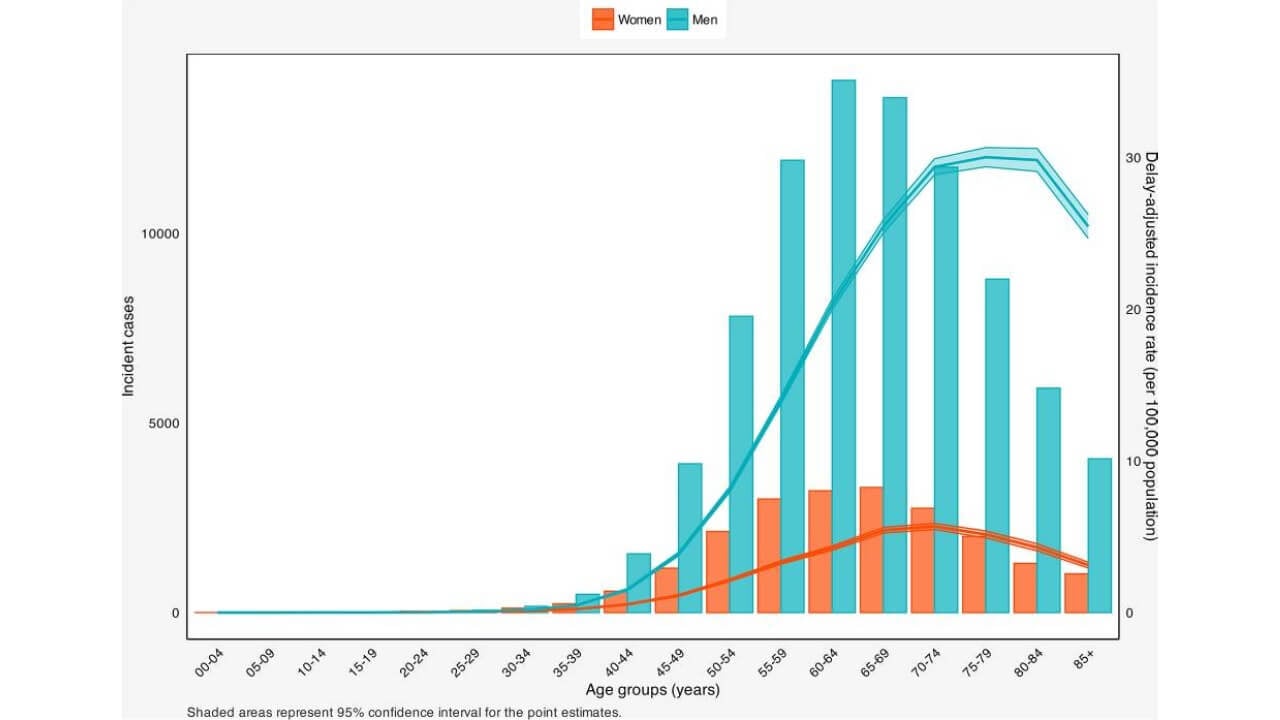
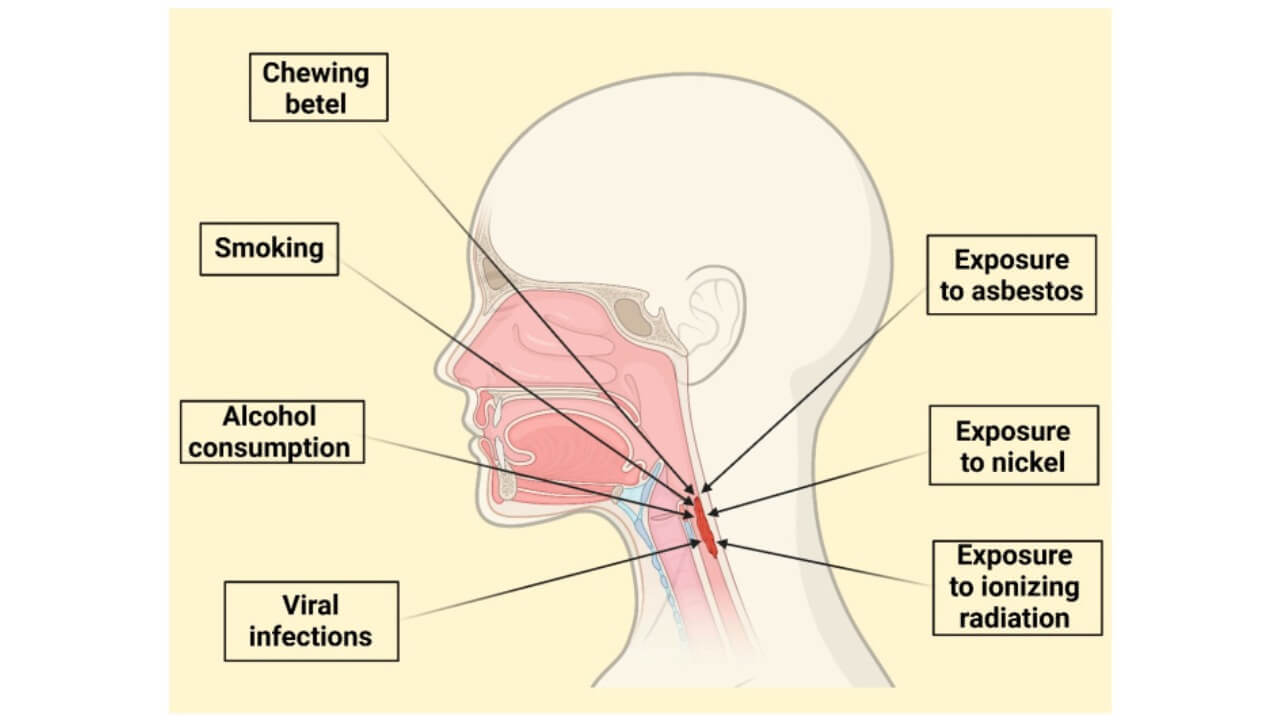
Рак гортани (РГ) – распространенное злокачественное новообразование дыхательных путей с локализацией в области головы и шеи. В 2020 году в мире было зарегистрировано 184 615 новых случаев РГ. Стандартизированный по возрасту показатель заболеваемости составил 2,0 на 100 000 человек. В том же году было зарегистрировано 99 840 летальных исходов вследствие РГ (со стандартизированным по возрасту показателем смертности 1,0 на 100 000 человек) [1]. В 2017 году уровень заболеваемости раком гортани среди мужчин был примерно в семь раз выше, чем среди женщин [2]. К распространенным факторам риска относятся: употребление табака и спиртных напитков, профессиональные вредности, вирус папилломы человека (ВПЧ). Пациенты с ранними стадиями опухолей голосовой щели часто обращаются за медицинской помощью из-за нарушений голоса. Однако при раке гортани дела обстоят несколько иначе: ввиду коварной природы отдельных форм РГ констатируется увеличение числа случаев выявления заболевания на поздних стадиях [3]. В Соединенных Штатах Америки у все большего количества пациентов РГ диагностируется на поздних стадиях, что со временем приводит к стагнации показателей выживаемости [4]. Региональные диспропорции в бремени РГ усугубляются различиями в социальном развитии. Эти различия вызывают временные колебаниям в динамике бремени РГ [5, 6].
Что такое рак гортани
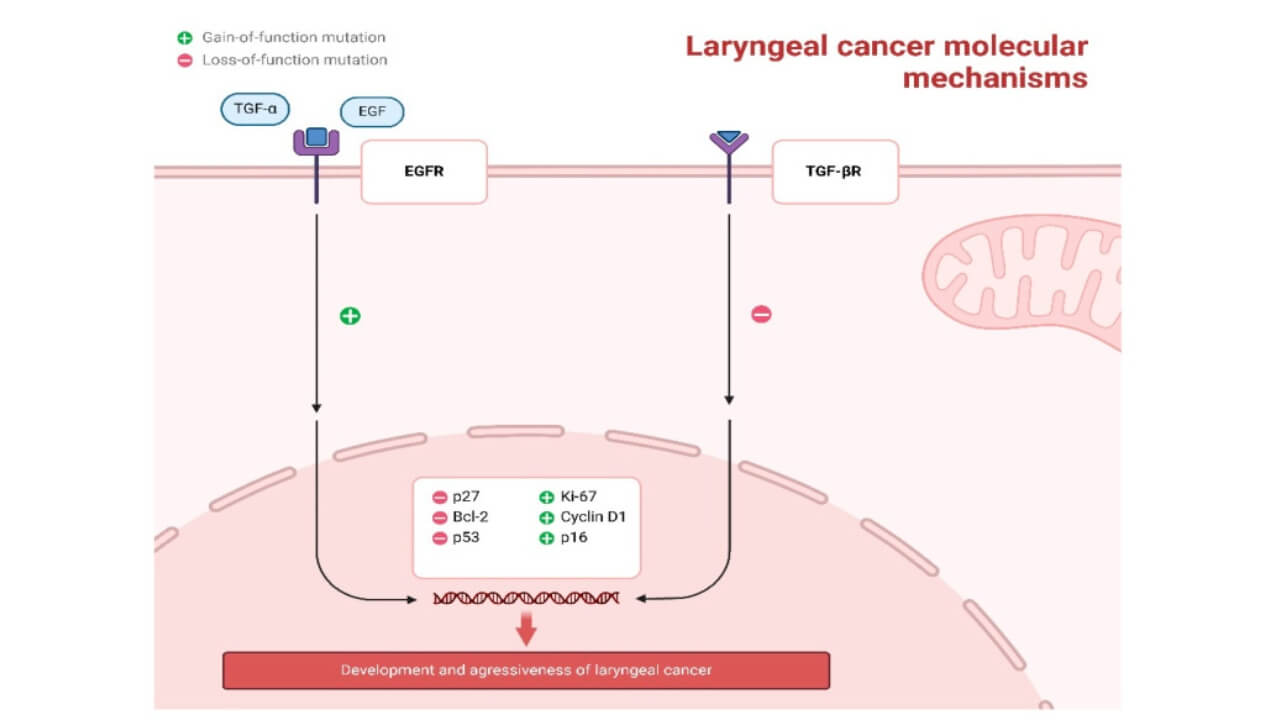
Опухоль гортани – это злокачественное заболевание, которое развивается в тканях гортани и классифицируется как один из видов рака головы и шеи. Гортань является ключевой структурной единицей области головы и шеи, отвечающей за дыхание, глотание и формирование голоса, ввиду чего рак гортани напрямую влияет на качество жизни и общее состояние пациента. Большинство случаев рака гортани составляет плоскоклеточная карцинома, которая образуется из плоскоклеточного эпителия слизистой оболочки.
На начальном этапе развития злокачественного процесса формируются аномальные ткани, где происходит бесконтрольное деление опухолевых клеток. Со временем формируется первичная опухоль, которая может распространяться на окружающие анатомические структуры (в частности, щитовидный хрящ, слюнные железы, щитовидную железу и лимфатические узлы головы и шеи). Именно по этой причине рак гортани относится к категории опухолей головы и шеи.
В зависимости от локализации в гортани различают три основные формы опухолей, для каждой из которых характерны различные клинические проявления и подходы к лечению:
- Опухоли складочного отдела гортани. Эта форма рака поражает голосовые связки (большинство случаев рака гортани составляют новообразования голосовой щели). Благодаря ранним симптомам (например, охриплости), этот тип опухолей часто диагностируется на начальных стадиях: при ранней стадии рака гортани лечение дает наиболее высокие шансы на достижение контроля над заболеванием.
- Опухоли надскладочного отдела гортани. Развиваются в верхней части гортани, над голосовыми связками. Эта анатомическая область имеет хорошо развитую лимфатическую сеть, что способствует более быстрому проникновению опухолевых клеток в лимфатические узлы. Опухоли надскладочного отдела гортани быстро перерастают в запущенный рак гортани (требующий комбинации различных методов лечения рака).
- Опухоли подскладочного отдела гортани. Наименее распространенный тип новообразования, локализующийся в области гортани ниже голосовых связок. При такой форме заболевания развитие рака гортани часто протекает незаметно в течение длительного времени, ввиду чего процесс прогрессирует до запущенного рака (по причине минимального проявления симптомов на ранних стадиях).
Лечение опухоли гортани, вне зависимости от ее локализации, является одной из сложнейших задач в области современной онкологии. Понимание анатомических различий опухолей гортани дает врачам возможность подобрать для пациента наилучшее лечение, составить для него индивидуальный план лечения и эффективно бороться с раком (с сохранением функции гортани и удовлетворительного общего состояния здоровья пациента).
Ранние симптомы рака гортани
На ранних стадиях рак гортани часто протекает бессимптомно, что затрудняет диагностику. Выявление заболевания на начальных этапах развития имеет решающее значение, поскольку своевременное лечение может значительно повысить эффективность терапии и шансы на полное выздоровление.
Наиболее распространенные ранние симптомы рака гортани:
- Изменения голоса и охриплость
- Ощущение инородного тела в горле
- Боль в горле или ушах
- Нарушение глотания (дисфагия)
- Необъяснимый кашель или кровохарканье
- Усталость и общее недомогание
Важно помнить, что наличие одного или нескольких из этих симптомов не всегда означает наличие у пациента рака (но все же их не следует игнорировать). Если охриплость голоса, боль в горле или нарушения глотания не проходят более двух недель, обязательно следует пройти осмотр у отоларинголога и (при необходимости) дополнительные обследования. Ранняя диагностика позволяет начать лечение на стадии, когда оно будет наиболее эффективным и щадящим для пациента.
Почему выбор метода лечения рака гортани имеет важное значение
Выбор метода лечения рака гортани имеет важное значение, поскольку речь идет не только о достижении контроля над опухолью, но и о сохранении основных функций гортани. Рак гортани развивается в анатомически и функционально чувствительной области головы и шеи (где любое агрессивное вмешательство может иметь долгосрочные физические и психологические последствия).
Согласно сложившейся практике, традиционное лечение рака гортани направлено на радикальное удаление первичной опухоли. Применение такого подхода часто приводит к развитию серьезных функциональных осложнений и эстетическим дефектам. Потеря голоса, формирование постоянной трахеостомы и деформации в области головы и шеи существенно влияют на общее состояние здоровья пациентов с опухолями гортани и их социальную адаптацию.
Данная проблема особенно актуальна для пациентов с ранней стадией рака гортани, когда выбор метода лечения напрямую влияет на сохранение функции гортани: даже при эффективном контроле раковых клеток агрессивный подход к лечению может привести к ухудшению качества жизни человека, что не всегда оправдано с клинической точки зрения.
При запущенном раке гортани (или прогрессирующем развитии рака гортани) ситуация осложняется поражением близлежащих анатомических структур и лимфатических узлов, что повышает риск для пациента при применении радикальных вариантов лечения. Поэтому в современной онкологии все больше внимания уделяется не только тому, каким именно способом бороться с раком, но и тому, как делать это с минимальной потерей функций [9].
Правильный выбор плана лечения рака гортани – это стратегическое решение, влияющее на долгосрочные результаты терапии, а также способность эффективно лечить рак и поддерживать баланс между контролем заболевания и сохранением качества жизни.
Стандартные методы лечения опухолей гортани
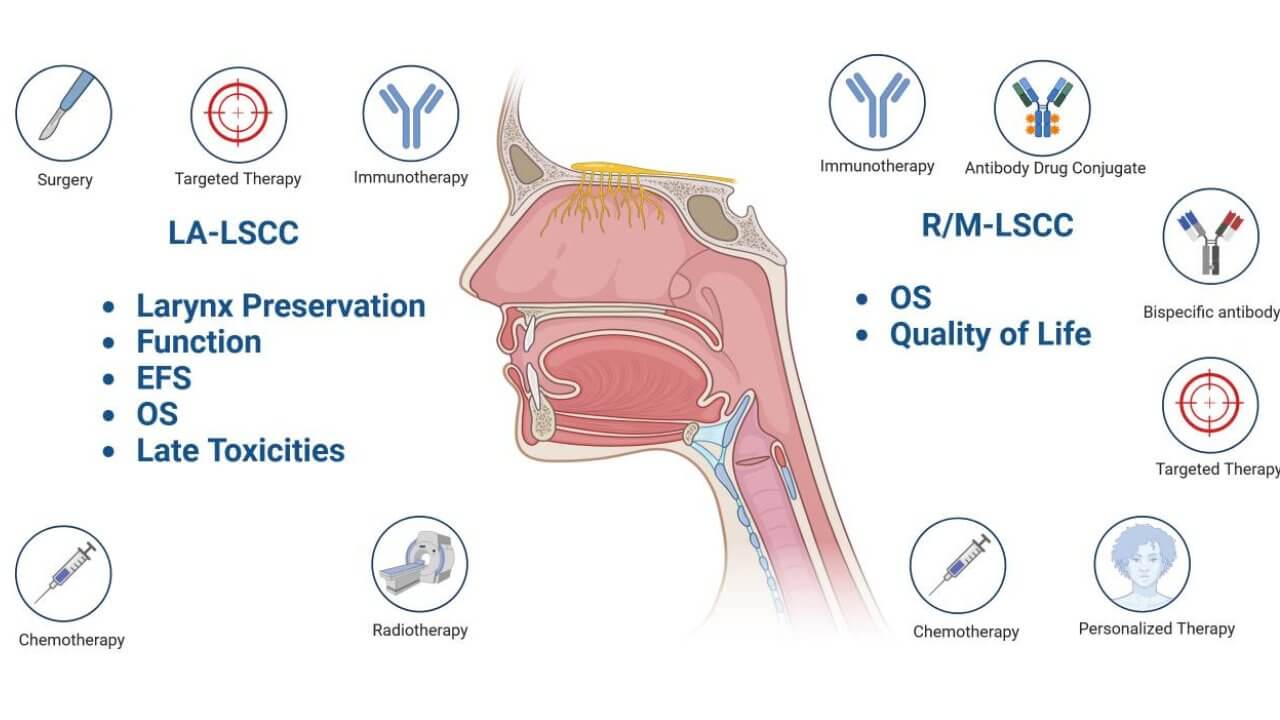
Классические методы лечения опухолей гортани по-прежнему составляют основу борьбы с этим заболеванием в онкологии. Они обеспечивают эффективный результат в контроле раковых клеток, уменьшении размера первичной опухоли и сдерживании распространения онкопроцесса в область головы и шеи (включая лимфатические узлы). Однако стандартные методы часто провоцируют развитие серьезных функциональных нарушений и эстетических дефектов, которые влияют на качество жизни пациента.
Хирургическое лечение при РГ
Хирургические вмешательства (включая частичную или полную ларингэктомию) помогают обеспечить эффективное удаление первичной опухоли. Тем не менее, после таких операций пациенты часто теряют голос, им необходима постоянная трахеостомия, а также они сталкиваются с серьезными косметическими дефектами. Даже на начальной стадии рака гортани операция может оставлять серьезные рубцы, которые влияют на общее состояние здоровья пациента и его адаптацию в социуме.
Лучевая терапия при РГ
Лучевая терапия позволяет уничтожить раковые клетки в опухолевом очаге и может снизить потребность в проведении радикального хирургического вмешательства. Вместе с тем, лучевая терапия часто вызывает серьезные побочные эффекты, в частности сухость во рту, воспаление слизистых оболочек, нарушения голоса и изменения кожи шеи, что также негативно сказывается на общем состоянии здоровья и внешнем виде пациента.
Химиотерапия при РГ
Системная химиотерапия помогает контролировать развитие рака за пределами первичного очага. Тем не менее, такая терапия рака гортани практически всегда вызывает ряд побочных эффектов – тошноту, потерю аппетита, слабость, а также изменения кожи и волос, которые ухудшают уровень социального комфорта и общее состояние здоровья пациента.
Химиолучевая терапия при РГ
Комбинированное лечение с применением химиотерапии и лучевой терапии способствует усилению эффекта каждого из методов. Такой подход применяется при запущенном раке гортани (и других опухолях головы и шеи). Однако при этом сочетание химиотерапии и лучевой терапии зачастую также увеличивает риск развития серьезных побочных эффектов, включая расстройства речи, нарушения функции глотания и заметные косметические дефекты, что свидетельствует о важности поиска более щадящих вариантов лечения.
Таким образом, стандартные подходы к лечению рака гортани эффективны в контроле опухоли, но они часто сопровождаются серьезными последствиями для функционального статуса пациента и провоцируют косметические дефекты (что формирует основу для внедрения инновационных методов лечения).
Инновационные методы лечения рака гортани
Современная онкология предлагает ряд инновационных вариантов лечения, обеспечивающих эффективный контроль над раковыми клетками, сохранение функции гортани и минимизацию последствий для внешности пациента. Такие методы имеют особо важное значение для пациентов, желающих бороться с опухолями шеи с сохранением голоса и естественного внешнего вида головы и шеи.
Терапия дендритными клетками при раке гортани
Лечение рака гортани с помощью дендритных клеток – это инновационный метод иммунотерапии, основанный на использовании способности дендритных клеток стимулировать иммунную систему организма для борьбы с раковыми клетками. Эти клетки «представляют» опухолевые антигены, тем самым активируя Т-клетки, которые распознают и уничтожают первичную опухоль. Важно отметить, что открытие роли дендритных клеток в регуляции иммунного ответа было отмечено Нобелевской премией по физиологии и медицине (что свидетельствует о значимость этого подхода в современной науке).
У пациентов с начальной стадией рака гортани, развивающимся раком гортани или даже запущенным раком гортани такое лечение может применяться как в качестве монотерапии, так и в комбинации с другими методами лечения рака, что позволяет обеспечить контроль над опухолью, не прибегая к радикальной роботизированной хирургии и с исключением заметных косметических дефектов.
Представлем вашему вниманию эксклюзивное интервью с профессором Гансауге, которое позволит лучше разобраться в особенностях проведения терапии дендритными клетками при опухолях гортани на практике, а также поможет ознакомиться с преимуществами метода.
Ведущий немецкий онколог профессор Гансауге о преимуществах лечения рака дендритными клетками
Регионарная химиотерапия при раке гортани
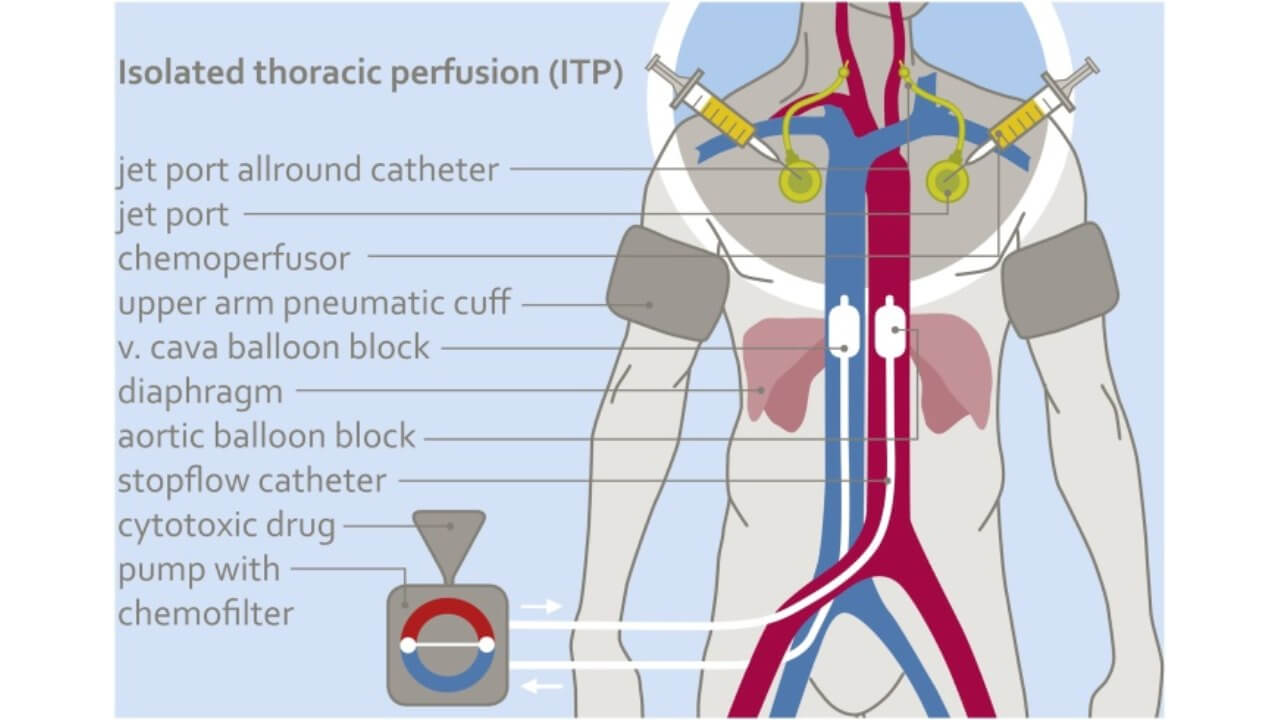
Регионарная химиотерапия при раке гортани – это высокотехнологичный метод, предполагающий таргетную доставку цитостатиков непосредственно к онкологическому очагу [10-13]. По сравнению с системной химиотерапией, при этой процедуре концентрация лекарственных препаратов в первичной опухоли и близлежащих тканях достигает максимальных значений, при этом метод способствует минимизации системного воздействия цитостатиков на организм пациента и снижению риска развития серьезных системных побочных эффектов.
Основные технологические особенности метода:
- Изоляция области головы и шеи с помощью специальных баллонов. Во время проведения процедуры кровообращение в области гортани временно изолируется с целью доставки максимально высокой дозы химиопрепаратов к раковым клеткам (при этом здоровые ткани остаются нетронутыми) [13].
- Фильтрация крови, возвращающейся в общий кровоток, обеспечивает удаление избытка цитостатиков, что значительно снижает системную токсичность лечения [10-13].
- Контроль параметров давления и скорости перфузии, обеспечивающий равномерное насыщение тканей лекарственными препаратами и минимизацию риска повреждения щитовидного хряща, слюнных желез, щитовидной железы и других структур в области головы и шеи.
- Возможность сочетания терапии с другими методами лечения, в частности с электрохимиотерапией при раке гортани или локальной иммунотерапией, что способствует повышению эффективности плана лечения и позволяет лечить рак гортани с применением органосохраняющего подхода.
Этот метод отличается особой эффективностью при более запущенных формах рака, когда стандартные хирургические вмешательства часто приводят к потере голоса и серьезным косметическим дефектам. Регионарная химиотерапия позволяет врачам бороться с раком локально с сохранением голоса, эстетики лица и функций гортани (что способствует значительному улучшению адаптации в социуме и общего состояния здоровья пациентов).
Электрохимиотерапия при раке гортани
Электрохимиотерапия при раке гортани – это метод, основанный на комбинации локального введение цитостатиков с подачей краткосрочных электрических импульсов, которые повышают проницаемость мембран раковых клеток. Данный подход позволяет врачам уничтожать раковые клетки точечно, не затрагивая при этом здоровые ткани (что минимизирует косметические дефекты и дисфункцию органов).
Метод особенно эффективен при плоскоклеточной карциноме гортани (в том числе на ранней стадии рака гортани), а также может использоваться в рамках комплексной схемы лечения рака головы и шеи. Электрохимиотерапия считается оптимальным вариантом лечения для пациентов, которым противопоказано традиционное хирургическое вмешательство или которым необходимы органосохраняющие процедуры.
Кроме того, этот вид терапии демонстрирует высокую эффективность в отношении контроля локального роста опухоли, снижения риска развития рецидива и улучшения качества жизни (благодаря меньшей инвазивности подхода). Регионарная химиотерапия может использоваться как в качестве самостоятельного метода лечения на ранних стадиях заболевания, так и в сочетании с другими терапевтическими подходами.
Об особенностях данного революционного метода лечения в своем эксклюзивном интервью рассказывает профессор Аттила Ковач. Специалист объясняет, как эта инновационная технология обеспечивает максимально эффективное уничтожение раковых клеток за счет сочетания подачи электрических импульсов с таргентым введением химиопрепаратов.
Профессор Ковач об Электрохимиотерапии: Как Электрические Импульсы Усиливают Действие Химиотерапии
| Метод лечения | Системная токсичность | Косметический результат / Качество жизни |
|---|---|---|
| Регионарная химиотерапия ± электрохимиотерапия | Минимальная, локализованное действие | Сохранение внешнего вида и функционального статуса |
| Хирургическое вмешательство | Высокая степень травматизации | Часто провоцирует косметические дефекты, потребность в трахеостомии |
| Системная химиотерапия | Высокая системная токсичность | Общее истощение |
| Лучевая терапия | Умеренная системная токсичность | Фиброз, сухость тканей |
Сравнение стоимости лечения в разных странах
| Метод лечения | Германия (€) | Великобритания (€) | США (€) | Австралия (€) |
|---|---|---|---|---|
| Регионарная химиотерапия ± электрохимиотерапия | 18,000 – 75,000 | 30,000 – 118,000 | 37,000 – 150,000 | |
| Хирургическое вмешательство | 25,000 – 45,000 | 35,000 – 55,000 | 65,000 – 85,000 | 30,000 – 70,000 |
| Системная химиотерапия | 80,000 – 150,000 | 90,000 – 165,000 | 100,000 – 180,000 | 45,000 – 120,000 |
| Лучевая терапия | 28,000 – 42,000 | 35,000 – 65,000 | 40,000 – 80,000 | 25,000 – 50,000 |
Передовые подходы к лечению рецидивирующих и прогрессирующих форм рака гортани
Главная проблема в контексте стандартного лечения рака гортани – радикальная ларингэктомия, которая часто становится единственным способом добиться контроля над опухолью. Хирургическое удаление гортани является эффективным методом для уничтожения первичной опухоли. Тем не менее, за это пациенту придется заплатить высокую цену, так так операция грозит потерей голоса, потребностью в формировании постоянной трахеостомы, серьезными эстетическими дефектами и существенными ограничениями в повседневной жизни. В таком случае пациенты вынуждены адаптироваться к новым способам общения, изменениям внешности и трудностям с социальной интеграцией.
Следовательно, возможность проведения лечения с применением инновационных методов открывает перед пациентом новые горизонты. Терапия дендритными клетками, регионарная химиотерапия и электрохимиотерапия позволяют обеспечить локальный контроль над опухолевыми клетками (с сохранением функций гортани и голоса). Пациент получает не только шанс успешно бороться с раком, но и возможность остаться самим собой – общаться, работать и вести активный образ жизни без потребности в постоянной трахеостоме.
Органосохраняющие подходы к лечению способствуют значительному снижению психологической нагрузки и улучшению общего состояния здоровья пациента. Они позволяют разработать для онкобольного индивидуальный план лечения с сочетанием регионарных и системных методик, которые способны обеспечить эффективный контроль над развитием рака, минимизируя при этом риск функциональных нарушений и косметических дефектов. Для пациентов с начальной стадией рака гортани или местнораспространенной карциномой гортани (стадия III и выше) это означает полноценную жизнь без ограничений, которая ранее была невозможна.
Сегодня в онкологии сохранение органов приобретает все большее значение как ключевая цель лечения. Следовательно, важно не просто предоставить лечение, а сохранить голос, внешний вид и качество жизни (при одновременном обеспечении эффективного контроля над опухолью). Такой подход позволяет пациенту сохранять активность, социальную интеграцию и уверенность в себе, ввиду чего в настоящее время предпочтительным выбором считаются инновационные варианты лечения.
Почему пациенты выбирают лечение рака гортани за рубежом
В настоящее время пациенты все чаще выбирают лечение за рубежом (особенно в Германии), и вот почему:
- Междисциплинарный подход – команды хирургов, специализирующиеся на области шеи и головы, онкологов, радиологов и специалистов по реабилитации работают рука об руку для составления плана лечения, который обеспечит контроль над первичной опухолью и сохранение функций гортани.
- Опыт врачей – специалисты успешно проводят лечения как начальных стадий рака гортани, так и с запущенных форм заболевания, используя инновационные методы визуализации (например, позитронно-эмиссионную томографию (ПЭТ)) и передовые виды терапии (для достижения максимального контроля над раковыми клетками).
- Передовые технологии – высокоточные методы регионарной химиотерапии, электрохимиотерапии и терапии дендритными клетками при раке гортани позволяют воздействовать на опухоль локально при минимизации побочных эффектов.
- Восстановление без ограничений – современные подходы помогают пациенту предельно быстро вернуться к полноценной жизни без потребности в формировании постоянной трахеосты и с минимальным негативным воздейтсивем на общее состояние здоровья.
- Доступ к инновационным программам – активное проведение клинических исследований и внедрение в клиническую практику передовых протоколов лечения рака головы и шеи способствует обеспечению доступа к методам лечения рака, которые пока не проводятся в большинстве других стран.
- Контроль и уверенность – пациент получает не только возможность лечить рак гортани, но и шанс на сохранение качества жизни, активности в быту и уверенности в себе.
В Германии пациентам предоставляется наилучшее лечение рака гортани с высокой эффективностью, исключительной точностью, сохранением голоса и внешнего вида – любые компромиссы исключены.
История пациента: успешное лечение опухоли гортани регионарной химиотерапией
62-летний Майкл из Торонто, Канада, долгое время страдал от хрипоты и нарушений голоса. После комплексного обследования ему был поставлен диагноз «рак гортани» с локализацией опухоли в области голосовых связок. Традиционное лечение – тотальная ларингэктомия – гарантировало контроль над раковыми клетками, но полностью лишило бы его голоса и изменило бы его внешность (для Майкла это было неприемлемо).
После консультаций в немецкой клинике он решил пройти лечение методом регионарной химиотерапии. В ходе процедуры была выполнена изоляция кровообращения гортани с помощью специальных баллонов, что позволило доставить максимально высокую дозу химиотерапевтических препаратов непосредственно к первичной опухоли. Фильтрация крови на завершающем этапе процедуры способствовала снижению системной токсичности терапии. За счет контроля параметров скорости и давления перфузии было обеспечено равномерное насыщение тканей лекарственными препаратами, что дало возможность локально уничтожить раковые клетки (при сохранении щитовидного хряща и окружающих здоровых тканей).
В ходе курса лечения у Майкла не было никаких серьезных системных побочных эффектов. Пациенту удалось сохранить голос, способность нормально питаться и активность в повседневной жизни. После завершения курса регионарной химиотерапии результаты контрольных обследований показали значительное уменьшение размера новообразования (при этом терапия обеспечила полное сохранение функций гортани).
На сегодняшний день Майкл вернулся к работе и активному образу жизни. Его история является ярким примером того, как современные методы помогают эффективно лечить рак гортани без нарушений функций органа и косметических дефектов.
Поездка на лечение за границу с Booking Health
Самостоятельный поиск наилучшей тактики лечения с учетом вашей индивидуальной клинической ситуации – довольно сложная задача. Испытав на себе многочисленные курсы лечения, проконсультировавшись со множеством специалистов и испробовав различные терапевтические процедуры, вам может быть трудно сориентироваться во всей предоставленной врачами информации. В таком случае пациенты зачастую выбирают первый же предложенный вариант лечения или соглашаются на лечение с применением стандартизированных терапевтических протоколов, которое повлечет за собой множество побочных эффектов, вместо того, чтобы рассмотреть возможность терапии с помощью инновационных процедур.
Если вы хотите сделать осознанный выбор и получить лечение рака в соответствии с индивидуально разработанной для вас схемой с учетом особенностей вашей конкретной клинической ситуации, проконсультируйтесь с медицинскими специалистами Booking Health. Компания Booking Health уже более 12 лет занимает ведущие позиции в сфере организации лечения за рубежом с применением новейших инноваций в медицине, поэтому ее специалисты обладают огромным опытом в составлении персонализированных комплексных программ лечения для каждого пациента. Booking Health пользуется репутацией авторитетной компании, которая предоставляет персонализированный подбор схемы лечения и клиники с прямым бронированием приема в медицинском центре и полной поддержкой на каждом этапе лечения – от решения организационных вопросов до помощи в процессе лечения. Мы предлагаем:
- Оценку и анализ медицинских заключений пациента
- Составление индивидуальной программы лечения
- Подбор подходящего медицинского учреждения для лечения
- Подготовку медицинской документации и ее направление в выбранную пациентом для лечения клинику
- Консультации с врачами зарубежной клиники для разработки оптимальной медицинской программы на этапе подготовки к поездке на лечение
- Экспертные консультации во время пребывания в больнице
- Последующее консультирование пациента после его возвращения на родину по завершении медицинской программы
- Решение организационных вопросов в рамках подготовки к поездке на лечение за границу
- Координацию и организацию пребывания пациента в другой стране
- Помощь в оформлении визы и бронировании авиабилетов
- Услуги переводчика и персонального координатора, который будет с вами на связи 24/7
- Прозрачные цены на лечение без скрытых платежей
Здоровье – главная ценность в жизни каждого человека, доверять заботу о которой стоит лишь лучшим специалистам с богатым опытом и проверенной репутацией. Booking Health – это ваш надежный партнер, который оказывает всестороннюю помощь на пути к восстановлению здоровья и улучшению качества жизни. Свяжитесь с медицинским консультантом компании, чтобы узнать больше о возможностях персонализированного лечения у ведущих экспертов с использованием инновационных методов.
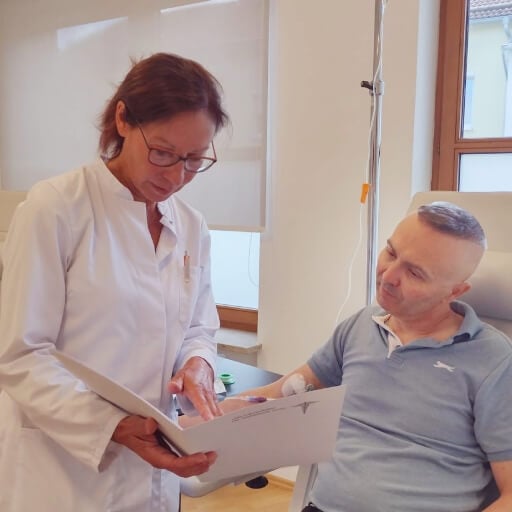
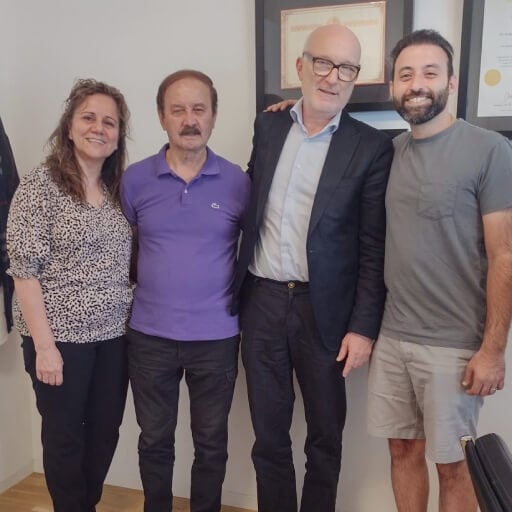
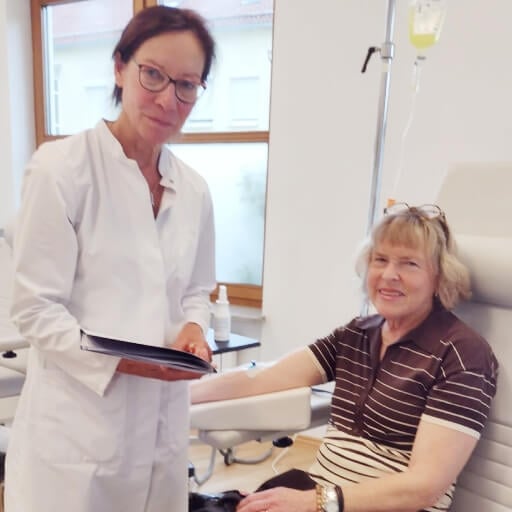
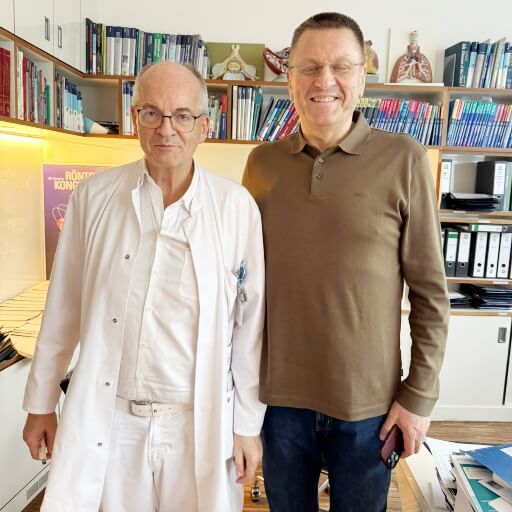
Лечение рака за рубежом: опыт пациентов Booking Health

Частые вопросы о раке гортани
Отправить запрос на лечениеНа прогноз выживаемости влияет стадия заболевания: при начальной стадии рака гортани показатели выживаемости достаточно высокие (часто выше 80–90%), тогда как при раке на поздней стадии они несколько ниже. Проведение своевременной диагностики и эффективной терапии при раке шеи и головы способствует существенному улучшению результатов лечения.
К ранним признакам относятся: постоянная хрипота, боль в горле, затруднение глотания или появление уплотнения в области шеи (изменения голоса часто становятся одним из первых симптомов).
Да, у многих пациентов достигается длительная ремиссия, особенно при ранней диагностике и применении соответствующих современных методов лечения рака горла (даже на поздних стадиях заболевания с поражением лимфатических узлов можно добиться эффективного контроля над онкопроцессом).
Прогноз определяется в зависимости от стадии опухоли, ее локализации и наличия или отсутствия поражения лимфатических узлов – лечение рака шеи на ранних стадиях обычно позволяет добиться прекрасных результатов (при более запущенных формах рака требуется проведение более интенсивного курса терапии).
Наилучшее лечение рака гортани подбирается для каждого пациента в индивидуальном порядке (в процессе лечения сочетается хирургическое вмешательство, лучевая терапия, таргетная терапия и инновационные подходы), при этом главным приоритетом является сохранение органа и обеспечение хороших функциональных результатов.
Да. Органосохраняющее лечение (регионарная химиотерапия, ЭХТ, терапия дендритными клетками) помогают добиться контроля над опухолью при сохранении функций голоса и дыхательных путей.
Терапия дендритными клетками при раке гортани – это инновационный вид иммунотерапии, который основан на задействовании естественной защиты организма для борьбы с раковыми клеткам. Лечение дендритными клетками демонстрирует многообещающие результаты (особенно в сочетании с другими методами лечения рака).
Принцип действия регионарной химиотерапии при раке гортани основан на доставке лекарственных препаратов непосредственно к опухолевому очагу (при таком подходе повышается эффективность химиопрепаратов при одновременном снижении профиля системных побочных эффектов). Техники изоляции и фильтрации крови обеспечивают защиту здоровых тканей.
Метод электрохимиотерапии при раке гортани (или электрохимиотерапии) основан на использовании электрических импульсов для обеспечения более интенсивного поглощения лекарственных препаратов раковыми клетками. Метод воздействует на опухоль локально, минимизируя повреждение близлежащих тканей.
Да. При лечении поздних стадий рака гортани возможно применение инновационных методов (терапии дендритными клетками, регионарной химиотерапии, ЭХТ), которые позволяют взять опухоль под контроль при сохранении функции органа.
Органосохраняющие методы лечения опухолей шеи и головы направлены на сохранение голоса и нормальной функции дыхательных путей. При использовании инновационных методов лечения рака пациентам часто удается сохранить нормальную речь и дыхательную функцию (по сравнению с радикальной хирургией, лучевой терапией и таргетной терапией).
Как правило, инновационные методы лечения рака сопровождаются меньшим количеством системных побочных эффектов и более прицельно воздействуют на опухоль (что способствует как улучшению эффективность терапии, так и повышению качества жизни пациента).
Выбирайте лечение за рубежом и Вы, несомненно, получите отличный результат!
Авторы:
Статья составлена под редакцией экспертов в области медицины, врачей-специалистов доктора Надежды Иванисовой и доктора Богдана Михальнюка. Для лечения состояний, о которых идет речь в статье, необходимо обратиться к врачу; информация в статье не предназначена для самолечения!
С редакционной политикой, которая отражает наше стремление к точности и прозрачности, можно ознакомиться здесь. Перейдите по ссылке, чтобы ознакомиться с нашими правилами.
Источники:
[1] Junjie Huang, Sze Chai Chan, Samantha Ko et al. Updated disease distributions, risk factors, and trends of laryngeal cancer: a global analysis of cancer registries. Int J Surg. 2024 Feb 1;110(2):810-819. doi: 10.1097/JS9.0000000000000902. [DOI] [PubMed]
[2] Yujiao Deng, Meng Wang, Linghui Zhou et al. Global burden of larynx cancer, 1990-2017: estimates from the global burden of disease 2017 study. Aging (Albany NY). 2020 Feb 8;12(3):2545-2583. doi: 10.18632/aging.102762. Epub 2020 Feb 8. [DOI] [PubMed]
[3] Conor E Steuer, Mark El-Deiry, Jason R Parks, Kristin A Higgins, Nabil F Saba. An update on larynx cancer. CA Cancer J Clin. 2017 Jan;67(1):31-50. doi: 10.3322/caac.21386. Epub 2016 Nov 29. [DOI] [PubMed]
[4] Michael M Li, Songzhu Zhao, Antoine Eskander et al. Stage Migration and Survival Trends in Laryngeal Cancer. Ann Surg Oncol. Author manuscript; available in PMC: 2022 Nov 1. Published in final edited form as: Ann Surg Oncol. 2021 Jul 15;28(12):7300–7309. doi: 10.1245/s10434-021-10318-1. [DOI] [PMC free article]
[5] Liliane Chatenoud, Werner Garavello, Eleonora Pagan et al. Laryngeal cancer mortality trends in European countries. Int J Cancer. 2016 Feb 15;138(4):833-42. doi: 10.1002/ijc.29833. Epub 2015 Sep 14. [DOI] [PubMed]
[6] Prashanthi Divakar, Louise Davies. Trends in Incidence and Mortality of Larynx Cancer in the US. JAMA Otolaryngol Head Neck Surg. 2022 Nov 17;149(1):34–41. doi: 10.1001/jamaoto.2022.3636. [DOI] [PMC free article]
[7] Seyed Ehsan Mousavi, Mehran Ilaghi, Armin Aslani et al. Laryngeal cancer incidence trends in the United States over 2000–2020: a population-based analysis. Arch Public Health. 2024 Jul 10;82:106. doi: 10.1186/s13690-024-01333-1. [DOI] [PMC free article]
[8] Alexandru-Romulus Hut, Eugen Radu Boia, Diana Para et al. Laryngeal Cancer in the Modern Era: Evolving Trends in Diagnosis, Treatment, and Survival Outcomes. J Clin Med. 2025 May 12;14(10):3367. doi: 10.3390/jcm14103367. [DOI] [PMC free article]
[9] Thorsten Fuereder, Florian Kocher, Jan Baptist Vermorken. Systemic therapy for laryngeal carcinoma. Front Oncol. 2025 Mar 4;15:1541385. doi: 10.3389/fonc.2025.1541385. [DOI] [PMC free article]
[10] K R Aigner. Intra-arterial infusion: overview and novel approaches. Semin Surg Oncol. 1998 Apr-May;14(3):248-53. doi: 10.1002/(sici)1098-2388(199804/05)14:3<248::aid-ssu9>3.0.co;2-8. [DOI] [PubMed]
[11] Karl R Aigner, Emir Selak, Kornelia Aigner. Short-term intra-arterial infusion chemotherapy for head and neck cancer patients maintaining quality of life. J Cancer Res Clin Oncol. 2019 Jan;145(1):261-268. doi: 10.1007/s00432-018-2784-4. Epub 2018 Oct 31. [DOI] [PubMed]
[12] Karl Reinhard Aigner, Sabine Gailhofer, Kornelia Aigner. Carotid artery infusion via implantable catheters for squamous cell carcinoma of the tonsils. World J Surg Oncol. 2018 Jun 5;16:104. doi: 10.1186/s12957-018-1404-8. [DOI] [PMC free article]
[13] Karl R Aigner, Emir Selak, Kornelia Aigner. Approaching 10 years disease-free survival after isolated thoracic perfusion for advanced stage IV tonsil carcinoma: A case report. Int J Surg Case Rep. 2020:75:71-74. doi: 10.1016/j.ijscr.2020.08.058. Epub 2020 Sep 3. [DOI] [PubMed]
Читайте:
Полное руководство по раку головы и шеи