




Рак носоглотки – это злокачественное новообразование головы и шеи, которое развивается в анатомической области носоглотки и имеет четкие этиологические, гистологические и клинические особенности. В отличие от других новообразований этой локализации, опухоль носоглотки часто ассоциируется с вирусом Эпштейна-Барр и имеет характерные пути распространения [1].
С анатомической точки зрения, опухолевый процесс чаще всего возникает в ямке Розенмюллера, чем обусловлено позднее выявление заболевания и высокий риск регионарного метастазирования карциномы носоглотки. На клеточном уровне клетки рака носоглотки демонстрируют различную степень дифференцировки в зависимости от гистологического подтипа опухоли.
Типы рака носоглотки
Опухоль носоглотки имеет характерные гистопатологические особенности, отличающие карциному носоглотки от других новообразований в области головы и шеи. Согласно классификации ВОЗ, определение стадии рака носоглотки на морфологическом уровне основано на разделении опухоли на три основных гистологических подтипа.
Тип 1. Ороговевающая плоскоклеточная карцинома
Ороговевающая карцинома носоглотки гистологически неотличима от плоскоклеточной карциномы носоглотки с локализацией в других анатомических областях. Опухоль демонстрирует отчетливую плоскоклеточную дифференцировку с ярко выраженными межклеточными мостиками и переменной кератинизацией, включая образование кератиновых жемчужин. В зависимости от степени кератинизации клетки опухоли носоглотки могут быть высоко, умеренно или низко дифференцированы, что имеет важное значение при оценке течения заболевания [2].
Тип 2. Неороговевающая плоскоклеточная карцинома
Неороговевающая карцинома носоглотки характеризуется наличием тяжей или трабекул взаимосвязанных клеток с четкими границами и минимальной кератинизацией или ее полным отсутствием. Как правило, десмопластическая реакция отсутствует, однако в строме нередко обнаруживается характерный для карциномы носоглотки лимфоплазмоцитарный инфильтрат.
Тип 3. Недифференцированная или низкодифференцированная карцинома
При окрашивании гематоксилином и эозином (H&E) недифференцированная карцинома носоглотки демонстрирует один из двух морфологических паттернов, которые не влияют на прогноз карциномы носоглотки:
Паттерн Рего – сплоченные клетки с нечеткими границами, образующие синцитиальные структуры. Паттерн Шминке – несплоченные клетки с диффузным инфильтративным ростом, который может напоминать лимфопролиферативный процесс. Клетки этого подтипа опухолевых клеток носоглотки обычно имеют округлые ядра с выраженными ядрышками. В окружающих тканях часто обнаруживается лимфоплазмоцитарный инфильтрат, что характерно для вирус-ассоциированных форм карциномы носоглотки [3].
Стадии рака носоглотки
Стадирование карциномы носоглотки базируется на системе TNM. Оно позволяет точно оценить степень распространения рака носоглотки, степень поражения регионарных лимфатических узлов и наличие отдаленных метастазов. Результаты стадирования опухоли носоглотки имеют решающее значение для выбора вариантов лечения рака носоглотки и прогнозирования течения заболевания.
Для определения стадии рака носоглотки используется система TNM, на основании которой проводится всесторонняя оценка степени распространения карциномы носоглотки – это является одним из ключевых факторов для подбора оптимального комплекса методов лечения рака носоглотки. На ранних стадиях развитие рака носоглотки может протекать бессимптомно. Как правило, опухоль локализуется в пределах носоглотки или близлежащих структурах и не распространяется на окологлоточное пространство. По мере распространения карциномы носоглотки происходит прогрессирование онкопроцесса, сопровождающееся поражением окологлоточного пространства, близлежащих мышц и костных структур основания черепа, что свидетельствует о переходе заболевания в местнораспространенную форму рака. При раке носоглотки на ранней стадии нередко происходит распространение раковых клеток через лимфатическую систему, чем обусловлены частые случаи поражения шейных лимфатических узлов на ранних этапах развития заболевания.
Одной из характерных особенностей опухолей носоглотки является их раннее лимфогенное распространение, поскольку клетки рака носоглотки обладают высокой метастатической активностью. При карциноме носоглотки 3 стадии часто констатируется поражение шейных и ретрофарингеальных лимфатических узлов при отсутствии отдаленных метастазов, тогда как массивное местное распространение или инвазия опухоли в критически важные анатомические структуры обычно указывает на карциному носоглотки 4 стадии. При появлении отдаленных метастазов констатируется системный онкопроцесс, свидетельствующий о метастатическом раке носоглотки.
Результаты стадирования заболевания непосредственно влияют на выбор тактики лечения рака носоглотки: при локализованных формах можно эффективно лечить рак носоглотки с помощью лучевой терапии, тогда как при прогрессирующих стадиях заболевания и рецидивирующем раке носоглотки, а также случаях, требующих лечения рака носоглотки 4 стадии, применяется комбинированный подход к терапии. В таких ситуациях решающее значение для достижения локального контроля над опухолью и снижения токсичности терапии имеет применение современных методов лечения карциномы носоглотки, включая протонную лучевую терапию.
Диагностика рака носоглотки
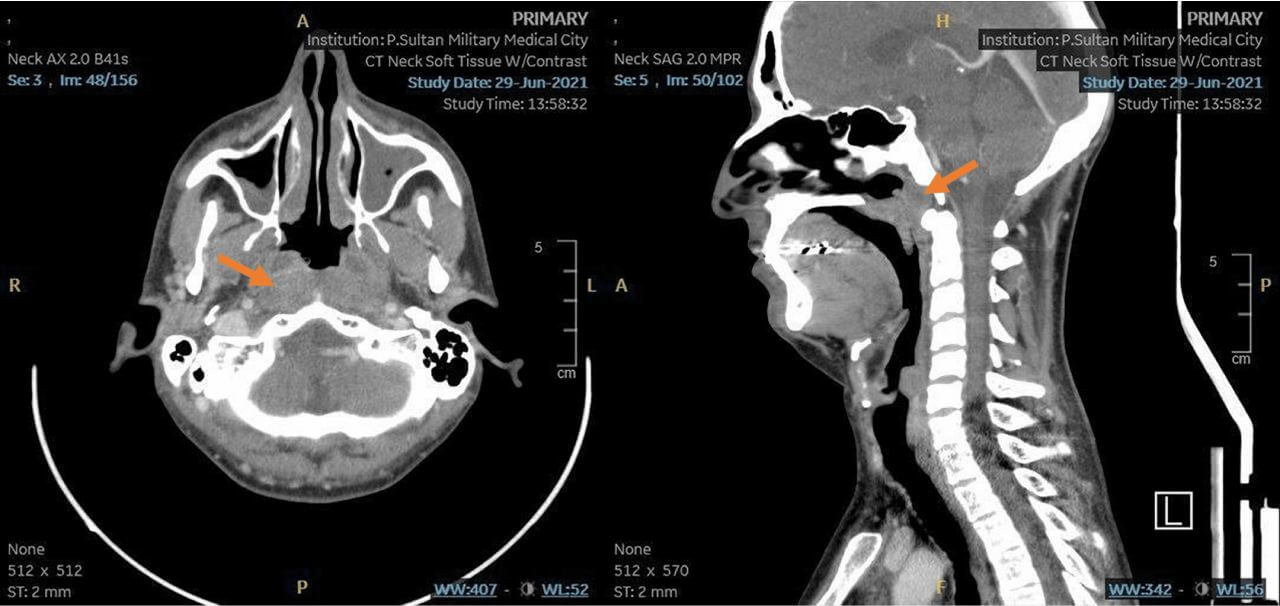
Важнейшее значение в ходе проведения диагностики придается тщательному сбору анамнеза и физикальному обследованию головы и шеи – результаты этих исследований определяют дальнейший объем диагностических мероприятий. При обнаружении подозрительного новообразования в полости рта, ротоглотке, щитовидной железе или гортани проводится компьютерная томография (КТ) шеи с внутривенным контрастированием. КТ обеспечивает высокоточную визуализацию инвазии рака в кости и позволяет оценить соответствующие регионарные лимфатические бассейны, а также это исследование часто необходимо для планирования лучевой терапии [4]. Вместе с тем, КТ обеспечивает меньшую точность визуализации при оценке степени поражения мягких тканей, а также разрешение этого метода может быть недостаточным для обнаружения опухолей чрезвычайно малого размера, поэтому в таких ситуациях более информативными диагностическими процедурами считаются магнитно-резонансная томография (МРТ) или позитронно-эмиссионная томография в сочетании с КТ (ПЭТ-КТ) [5].
Лучшим методом для максимально точной оценки степени распространения первичной опухоли (стадия T) является МРТ лица и шеи. С целью точного определения стадии рака и планирования лечения в обязательном порядке проводится гистологическое исследование, для выполнения которого осуществляется забор образца опухоли носоглотки в ходе эндоскопической биопсии под местной или общей анестезией.
Стандартные методы лечения рака носоглотки
Современные подходы для эффективного лечения рака носоглотки основаны на проведении лучевой терапии в комплексе с системными вариантами лечения, а также подборе терапевтической схемы в индивидуальном порядке для каждого пациента в зависимости от стадии заболевания. В большинстве случаев лечение карциномы носоглотки базируется на нехирургических методах, что обусловлено сложной анатомией носоглотки и характерной для этого заболевания поздней диагностикой. Поэтому для эффективного лечения и ведения карциномы носоглотки проводится облучение в сочетании с системной терапией. Также следует отметить, что для ведения карциномы носоглотки требуется применение междисциплинарного подхода. Хирургическое лечение проводится редко и рассматривается только в отдельных случаях при первичных опухолях небольшого размера или при локальном рецидиве рака после первичного курса терапии [6].
Лучевая терапия при раке носоглотки
Лучевая терапия при карциноме носоглотки составляет основу лечения заболевания, тогда как современные протоколы позволяют добиться эффективного локального контроля над опухолью при минимизации токсичности лечения. У пациентов с локализованными формами заболевания возможно проведение радикальной лучевой терапии, тогда как при прогрессирующей карциноме носоглотки требуется применение комбинированных схем лечения. Чаще всего опухоли носоглотки локализуются в ямке Розенмюллера: на долю новообразований с такой локализацией приходится более 80% случаев рака носоглотки, причем в 90% случаев опухоль остается односторонней даже при ее росте [7]. Особенно сложной клинической категорией является карцинома носоглотки 4 стадии, при которой используются стандартные варианты лечения рака носоглотки IV стадии, включая химиолучевую и системную терапию. Фотодинамическая терапия карциномы носоглотки применяется лишь в отдельных клинических случаях в качестве локального метода лечения – этот подход позволяет прицельно воздействовать на опухолевую ткань с минимальным повреждением близлежащих анатомических структур.
Химиотерапия при раке носоглотки
На поздних стадиях заболевания или при высоком риске его прогрессирования важную роль играет индукционная химиотерапия при раке носоглотки: метод помогает улучшить контроль над онкопатологией и оказывает влияние на последующую тактику лечения. Во многих случаях индукционная химиотерапия используется в качестве стандартного варианта лечения при раке носоглотки 4 стадии.
Как правило, клинические проявления заболевания, включая симптомы рака носоглотки, а также признаки и симптомы карциномы носоглотки, коррелируют со стадией рака и нередко становятся поводом для обращения пациента за медицинской помощью. Показатели выживаемости при карциноме носоглотки свидетельствуют о том, что ранняя диагностика заболевания и его лечение в специализированных медучреждениях способствует существенному улучшению терапевтических результатов [8].
Оптимальные результаты лечения рака (карциномы) носоглотки обеспечиваются в специализированных клиниках и центрах лечения рака носоглотки, где доступны современные технологии и применяются стандартные протоколы лечения. Пациенты часто оценивают такие медучреждения в качестве лучших онкологических центров для лечения карциномы носоглотки, особенно если речь идет о сложных или прогрессирующих формах заболевания.
При выборе медицинского учреждения пациентов также интересует стоимость лечения рака носоглотки, на которую влияет стадия заболевания, объем предстоящей терапии и уровень медицинского центра. Истории пациентов с раком носоглотки 4 стадии и их личный опыт борьбы с этим заболеванием свидетельствует о важности своевременного обращения за помощью в специализированные центры, где предлагается индивидуализированное составление схемы лечения даже на поздних стадиях недуга.
Инновационные методы лечения рака носоглотки
Терапия дендритными клетками при раке носоглотки
Современные методы лечения рака носоглотки постепенно выходят за рамки стандартных протоколов, основу которых составляет хирургическое вмешательство, лучевая терапия и химиотерапия. В ведущих европейских клиниках Германии активно разрабатываются инновационные методы лечения, направленные не только на уничтожение опухоли, но и на активацию собственных защитных механизмов организма.
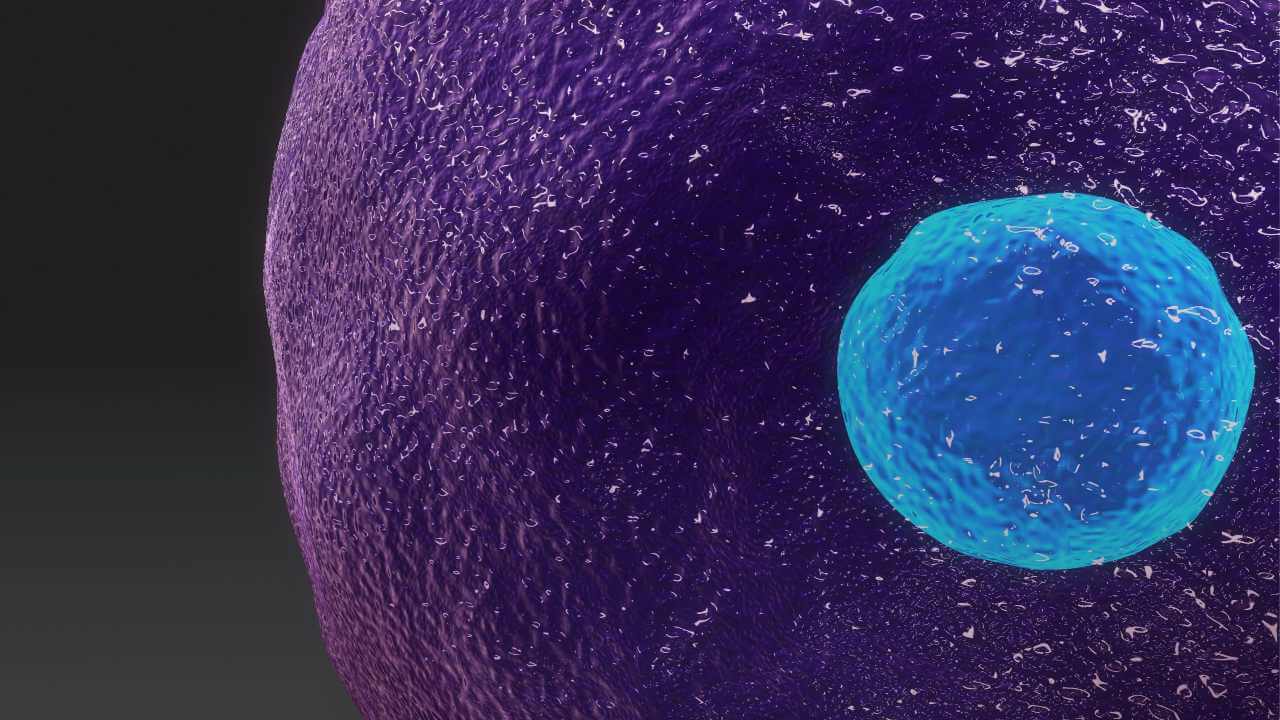
Одним из таких подходов является лечение рака дендритными клетками – новаторская форма иммунотерапии, принцип действия которой основан на «обучении» собственной иммунной системы пациента распознавать и уничтожать раковые клетки. За открытие роли дендритных клеток и заложение основ терапии дендритными клетками в иммунологии их первооткрывателю в 2011 году была присуждена Нобелевская премия. Дендритные клетки выступают в роли своеобразных «проводников иммунного ответа»: они показывают Т-клеткам, какие клетки представляют угрозу для организма. Процедура проведения терапии предполагает забор клеток крови у пациента, после чего в лабораторных условиях проводится этап «активации» дендритных клеток для «знакомства» иммунной системы пациента с опухолевыми антигенами и изготовления персонализированной вакцины, которая вводится онкобольному на завершающем этапе лечения [9].
Этот подход не способен заменить основные методы лечения, но он может выступать в качестве вспомогательной терапии, особенно при сложных или прогрессирующих формах заболевания. Поэтому при лечении рака в Германии иммунотерапия часто включается в индивидуальную схему лечения рака носоглотки. Для пациентов с таким диагнозом лечение рака носоглотки в Германии становится все более актуальным вариантом. Также следует отметить, что терапия дендритными клетками здесь проводится в соответствии с современными клиническими протоколами или в рамках специализированных программ.
Важно отметить, что лечение рака дендритными клетками обычно характеризуется хорошей переносимостью и минимальным профилем риска системных побочных эффектов. К тому же метод направлен на достижение долгосрочного иммунного контроля над заболеванием. Поэтому пациенты часто отдают предпочтение лучшим больницам для лечения рака носоглотки, где доступны такие инновационные терапевтические подходы и работают междисциплинарные команды специалистов.
Благодаря разработке инновационных методов терапии в Германии, все чаще фокусом внимания врачей при лечении рака носоглотки является не только достижение контроля над опухолью, но также сохранение качества жизни пациента, обеспечение персонализированной терапии и задействование защитных механизмов собственной иммунной системы человека.
Карцинома носоглотки – это заболевание, при котором стандартные методы лечения не всегда способны обеспечить эффективный результат, особенно если речь идет о поздних стадиях. В связи с этим неудивительно, что в настоящее время иммунотерапия, в частности терапия дендритными клетками, привлекает особое внимание пациентов. Представляем вашему вниманию эксклюзивное интервью с профессором Гансауге – руководителем клиники, специализирующейся на инновационной терапии дендритными клетками. В своем интервью профессор делится уникальным клиническим опытом, объясняет, в каких случаях целесообразно применение иммунотерапии, и рассказывает о возможности проведения такого лечения в комплексе с химио- и лучевой терапией. В беседе профессор Гансауге также разъясняет, для кого данный подход может стать реальной возможностью для достижения эффективного результата лечения.
Регионарная химиотерапия при раке носоглотки
При лечении рака носоглотки важную роль играет не только выбор лекарственных препаратов, но и способ их введения пациенту. Цель лечения заключается в применении максимально эффективного способа доставки лекарственных средств к опухоли при снижении нагрузки на здоровые органы и нормальные клетки. Этот фактор имеет особо важное значение при раке носоглотки, поскольку носоглотка расположена рядом с жизненно важными анатомическими структурами.
Альтернативный вариант стандартной химиотерапии – внутриартериальное введение химиотерапевтических препаратов. Это более таргетный метод лечения, при котором лекарственный препарат вводится непосредственно в артерию, питающую опухоль в носоглоточной области. Такой подход позволяет добиться высокой концентрации химиопрепаратов непосредственно в опухолевом очаге и потенциально снизить системную токсичность лечения. Возможность проведения такой терапии рассматривается в сложных клинических случаях, в частности при раке носоглотки IV стадии, когда стандартные методы не всегда способны обеспечить желаемый результат.
Процесс введения лекарственных препаратов занимает минимум времени – обычно всего 5-12 минут. С технической точки зрения, существует несколько вариантов введения химиопрепаратов: в первом случае для этого используется специальный порт, который устанавливают в кровеносный сосуд, во втором – катетер, который временно устанавливается в бедренную артерию. В отдельных, более сложных случаях этот метод применяют в сочетании с блокировкой кровотока для более эффективного воздействия химиопрепаратов на опухоль [10].
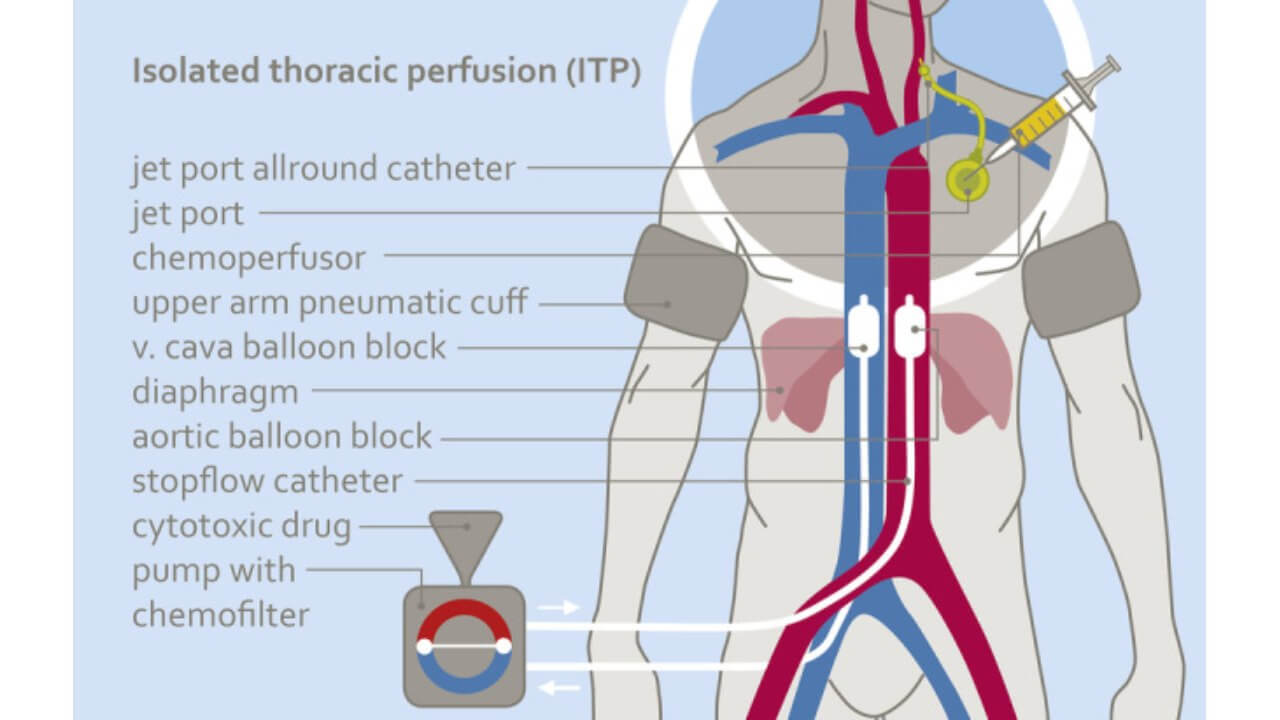
Внутриартериальная химиотерапия проводится исключительно в специализированных клиниках и требует обширного опыта медицинской команды. Следовательно, пациентам важно выбрать центр лечения рака носоглотки, где имеется необходимое оборудование и эксперты, специализирующиеся на терапии рака головы и шеи.
Ниже приведена сравнительная таблица, в которой представлены ключевые различия между стандартными и инновационными методами лечения рака носоглотки.
| Вид лечения | Токсичность и побочные эффекты | Качество жизни | Продолжительность курса лечения |
|---|---|---|---|
| Химиотерапия | Умеренно-высокая токсичность и побочные эффекты: тошнота, повышенная утомляемость, снижение иммунитета, нефро- и нейротоксичность (в зависимости от конкретной схемы лечения) | Нередко качество жизни пациента временно ухудшается из-за системных побочных эффектов лечения и необходимости проведения повторных курсов терапии | Длится несколько месяцев, лечение проводится циклами с перерывами |
| Лучевая терапия | Серьезные побочные действия: мукозит, сухость во рту, нарушения глотания, средний отит, повышенная утомляемость; на поздних стадиях существует риск развития фиброзных изменений | Значительно ухудшается во время лечения, также некоторые изменения в качестве жизни сохраняются в долгосрочной перспективе | Как правило, лечение проводится ежедневно в течение 5-7 недель |
| Терапия дендритными клетками | Незначительные побочные эффекты: обычно слабо выраженные локальные реакции или гриппоподобные симптомы | В основном качество жизни сохраняется, отсутствует выраженная системная токсичность | Формирование длительного иммунитета после выполнения всего одной инъекции вакцины |
| Регионарная химиотерапия | Низкая системная токсичность, существует риск развития локальных осложнений со стороны сосудистой системы | Благодаря прицельному действию химиопрепаратов сохраняется более высокое качество жизни, восстановление пациента происходит быстрее | Несколько краткосрочных сеансов терапии, быстрое восстановление пациента между курсами лечения |
Лечение рака носоглотки 4 стадии
При карциноме носоглотки IV стадии констатируется прогрессирующий опухолевый процесс, при котором обычно требуется проведение комбинированного лечения с акцентом на системную терапию и контроль симптомов для продления жизни пациента и сохранения ее качества. Лечение метастатического рака носоглотки или рецидивирующего рака носоглотки возможно, при этом оно не ограничивается симптоматической терапией. Основу лечения в таком случае по-прежнему составляет комбинированный подход с использованием лучевой и системной терапии. Вместе с тем, именно на этой стадии заболевания важную роль играет применение инновационных видов терапии, которые позволяют воздействовать на опухоль более целенаправленно и сопровождаются меньшей токсичностью. К их числу относятся современные схемы химиотерапии, методики, основанные на локальной доставке лекарственных препаратов, и иммунотерапия, в частности, терапия дендритными клетками в качестве дополнения к стандартному лечению.
План лечения метастатической стадии рака носоглотки всегда разрабатывается для каждого пациента в индивидуальном порядке, при этом терапию следует проводить в специализированных центрах с привлечением к процессу междисциплинарной команды специалистов. При использовании инновационных подходов даже на поздней стадии рака существует реальный шанс на излечение и достижение контроля над заболеванием.
Возможности лечения рака носоглотки в Германии
Варианты лечения карциномы носоглотки в Германии предполагают сочетание стандартных онкологических протоколов и новых методов терапии, что имеет особенно важное значение при прогрессирующих и сложных формах заболевания. Лечение проводится в специализированных центрах, ориентированных на применение персонализированных терапевтических подходов.
Одним из таких методов является терапия дендритными клетками – инновационная форма иммунотерапии, направленная на активацию собственной иммунной системы пациента для достижения контроля над опухолевыми клетками. Как правило, данный подход используется в качестве дополнения к основному курсу лечения.
Еще одним новым методом лечения является регионарная химиотерапия – внутриартериальная химиотерапия, которая позволяет доставлять лекарственные препараты непосредственно к опухоли при снижении общей токсичности лечения.
Сочетание этих методов способствует расширению вариантов лечения рака носоглотки в Германии, благодаря чему теперь у пациентов есть реальный шанс на эффективное лечение даже на поздних стадиях заболевания.
Ниже приведена сравнительная таблица стоимости лечения рака носоглотки в ведущих странах мира, в которой представлены основные финансовые аспекты, связанные с различными протоколами терапии, доступом к инновационным методам и уровнем медицинского обслуживания.
| Метод лечения | Стоимость в Германии | Стоимость в США | Стоимость в Великобритании | Стоимость в Австралии |
|---|---|---|---|---|
| Химиотерапия | €80,000 - €150,000 полный курс | €100,000 - €180,000 полный курс | €90,000 - €165,000 полный курс | €45,000 - €120,000 |
| Лучевая терапия | €28,000 - €42,000 | €40,000 - €80,000 | €35,000 - €65,000 | €25,000 - €50,000 |
| Терапия ДК | €20,000 - €38,000 | €40,000 - €100,000 | Не проводится | Не проводится |
| Регионарная химиотерапия | €18,000 - €75,000 за сеанс | €37,000 - €150,000 | €30,000 - €118,000 | €30,000 - €80,000 |
История об успешном лечении пациента с раком носоглотки
Истории пациентов с раком носоглотки показывают, что даже на поздних стадиях заболевания индивидуально подобранная схема терапии и применение новых методов лечения позволяют добиться значительно лучшего контроля над заболеванием и сохранить качество жизни онкобольного. У 58-летнего пациента была диагностирована прогрессирующая карцинома носоглотки с поражением шейных лимфатических узлов (cT3 cN2 cM0, стадия IVA), сопровождающаяся заложенностью полости носа, болевым синдромом и потерей слуха.
Из-за опасений по поводу серьезных побочных эффектов пациент отказался от стандартной химиолучевой терапии, отдав предпочтение органосохраняющему альтернативному варианту лечения – краткосрочной регионарной внутриартериальной химиотерапии с химиофильтрацией. Лечение пациента проходило в специализированном центре в Германии.
По завершении лечения врачи констатировали значительное уменьшение размера опухоли и регионарных метастазов, улучшение самочувствия пациента и купирование болевого синдрома, при этом токсичность терапии была незначительной. После более чем трех лет наблюдения у пациента по-прежнему отсутствуют признаки прогрессирования заболевания. Результат терапии он подытожил такими словами: «Я вновь обрел контроль над своей жизнью».
Поездка на лечение за границу с Booking Health
Самостоятельный поиск наилучшей тактики лечения с учетом вашей индивидуальной клинической ситуации – довольно сложная задача. Испытав на себе многочисленные курсы лечения, проконсультировавшись со множеством специалистов и испробовав различные терапевтические процедуры, вам может быть трудно сориентироваться во всей предоставленной врачами информации. В таком случае пациенты зачастую выбирают первый же предложенный вариант лечения или соглашаются на лечение с применением стандартизированных терапевтических протоколов, которое повлечет за собой множество побочных эффектов, вместо того, чтобы рассмотреть возможность терапии с помощью инновационных процедур.
Если вы хотите сделать осознанный выбор и получить лечение рака в соответствии с индивидуально разработанной для вас схемой с учетом особенностей вашей конкретной клинической ситуации, проконсультируйтесь с медицинскими специалистами Booking Health. Компания Booking Health уже более 12 лет занимает ведущие позиции в сфере организации лечения за рубежом с применением новейших инноваций в медицине, поэтому ее специалисты обладают огромным опытом в составлении персонализированных комплексных программ лечения рака для каждого пациента. Booking Health пользуется репутацией авторитетной компании, которая предоставляет персонализированный подбор схемы лечения карциномы носоглотки и клиники с прямым бронированием приема в медицинском центре и полной поддержкой на каждом этапе лечения – от решения организационных вопросов до помощи в процессе лечения. Мы предлагаем:
- Оценку и анализ медицинских заключений пациента
- Составление индивидуальной программы лечения
- Подбор подходящего медицинского учреждения для лечения
- Подготовку медицинской документации и ее направление в выбранную пациентом для лечения клинику
- Консультации с врачами зарубежной клиники для разработки оптимальной медицинской программы на этапе подготовки к поездке на лечение
- Экспертные консультации во время пребывания в больнице
- Последующее консультирование пациента после его возвращения на родину по завершении медицинской программы/span>
- Решение организационных вопросов в рамках подготовки к поездке на лечение за границу
- Координацию и организацию пребывания пациента в другой стране
- Помощь в оформлении визы и бронировании авиабилетов
- Услуги переводчика и персонального координатора, который будет с вами на связи 24/7
- Прозрачные цены на лечение без скрытых платежей
Здоровье – главная ценность в жизни каждого человека, доверять заботу о которой стоит лишь лучшим специалистам с богатым опытом и проверенной репутацией. Booking Health – это ваш надежный партнер, который оказывает всестороннюю помощь на пути к восстановлению здоровья и улучшению качества жизни. Свяжитесь с медицинским консультантом компании, чтобы узнать больше о возможностях персонализированного лечения карциномы носоглотки у ведущих экспертов с использованием инновационных методов.
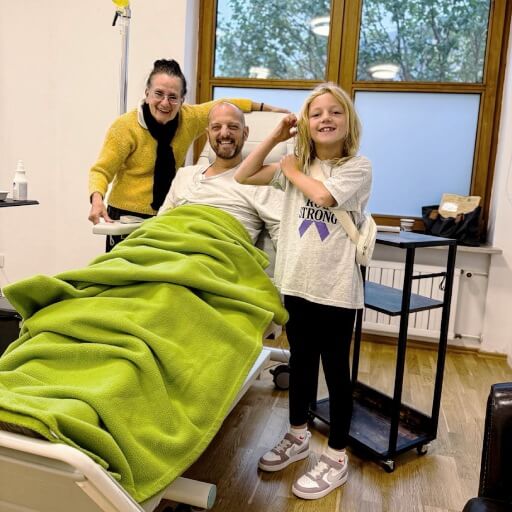
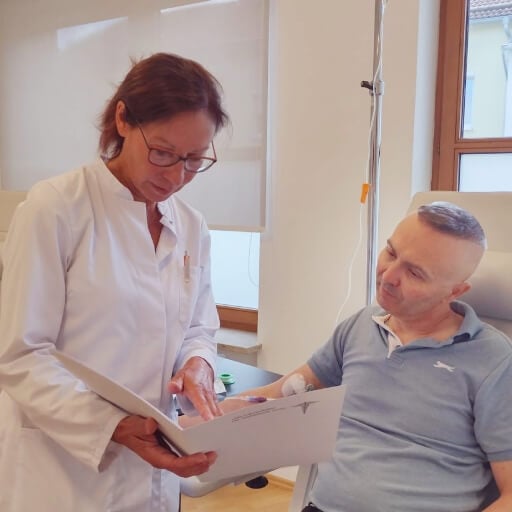
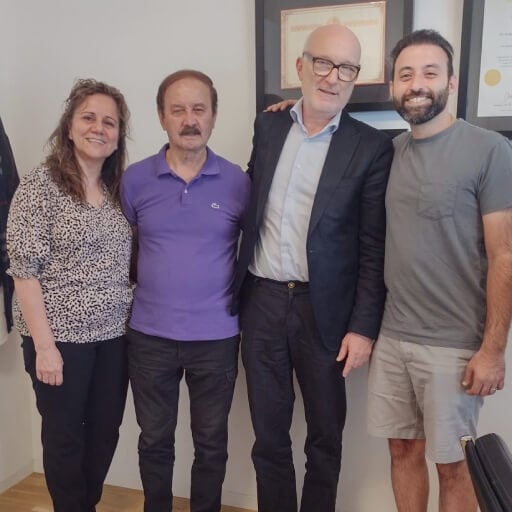
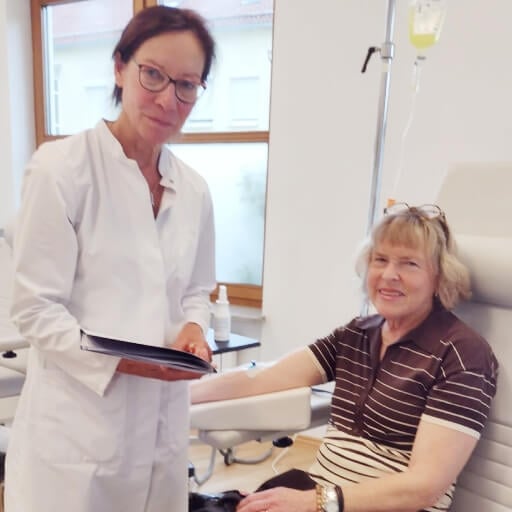
Инновации в онкологии: опыт пациентов Booking Health


Частые вопросы о раке носоглотки
Отправить запрос на лечениеВ целом, это относительно редкий вид рака головы и шеи, но в некоторых регионах он встречается гораздо чаще. Важно отметить, что при стадировании рака носоглотки врачи нередко выявляют заболевание на поздней стадии.
Как правило, прямой «наследственности» нет, но существует вероятность семейной предрасположенности к этому заболеванию. Риск развития рака носоглотки чаще связан с вирусом Эпштейна-Барр и факторами окружающей среды, а не с «передачей» клеток рака носоглотки как таковых.
По гистологическим признакам чаще всего диагностируется неороговевающая плоскоклеточная карцинома, то есть прогрессирующая карцинома носоглотки, по сравнению с ороговевающим типом.
Да, это серьезное заболевание, поскольку уже на ранних стадиях происходит распространение карциномы носоглотки из-за поражения лимфатических узлов и близости важных анатомических структур в носоглотке.
Да, лечение рака носоглотки во многих случаях оказывается эффективным, особенно если диагноз установлен на ранней стадии.
Темпы прогрессирования заболевания индивидуальны для каждого пациента. В основном лимфогенное метастазирование карциномы носоглотки наблюдается уже на ранних стадиях: раковые клетки (атипичные клетки) довольно быстро проникают в лимфатические узлы, поэтому распространение рака носоглотки происходит раньше, чем может ожидать пациент.
Чаще всего в первую очередь поражаются шейные и заглоточные лимфатические узлы.
К числу признаков ранней стадии рака носоглотки относятся односторонняя заложенность носовой полости, ощущение «заложенности уха», потеря слуха, периодические носовые кровотечения.
Симптомы рака носоглотки могут включать заложенность носа, кровянистые выделения, боль в горле, увеличение узлов на шее, головную боль.
Тревожные признаки включают постоянную одностороннюю заложенность носа, прогрессирующую потеря слуха, увеличение шейных лимфатических узлов, кровотечение из носовой полости, неврологические симптомы – это типичные признаки и симптомы карциномы носоглотки.
ВЭБ может изменять функционирование клеток носоглотки, способствуя хронической трансформации клеток и накоплению мутаций в раковых клетках.
Диагностика включает обследование ЛОР-органов, эндоскопию носоглотки, МРТ/КТ, иногда ПЭТ-КТ, а также в обязательном порядке проводится биопсия. Эти диагностические мероприятия составляют основу для точного определения стадии рака носоглотки.
Раннему выявлению рака носоглотки прежде всего способствует внимательное отношение к симптомам этого заболевания, проведение эндоскопии и МРТ в кратчайшие сроки при подозрении на онкологию. При необходимости также следует пройти анализы на маркеры вируса Эпштейна–Барр и следить за состоянием подозрительных лимфатических узлов.
К сожалению, при раке носоглотки IV стадии полное излечение возможно не всегда, но выбор в пользу лучшего лечения рака носоглотки 4 стадии во многих случаях дает возможность добиться длительного контроля над заболеванием.
Темпы прогрессирования рак носоглотки IV стадии различаются: на интенсивность прогрессирования заболевания влияют степень метастатического поражения, ответ на противораковое лечение и биологические особенности опухоли, поэтому ключевым моментом является незамедлительное начало применения стандартных протоколов терапии.
При метастатическом раке носоглотки применяется системная терапия (химиотерапия/иммунотерапия/таргетная терапия – по показаниям), а также проводятся локорегионарные процедуры для контроля метастатических очагов. Именно эти методики считаются оптимальными вариантами лечения рака носоглотки (карциномы носоглотки).
Показатели выживаемости определяются в зависимости от стадии рака носоглотки, ответа на лучевую терапию и наличия или отсутствия метастазов. Наилучшие результаты достигаются на ранней стадии рака носоглотки.
Лучшее лечение определяется для каждого пациента в индивидуальном порядке с учетом стадии рака, состояния лимфатических узлов, ВЭБ-статуса и общего состояния здоровья. Как правило, основу лечения составляет лучевая терапия при карциноме носоглотки в рамках комбинированной схемы терапии.
Чаще всего это лучевая терапия ± химиотерапия – в зависимости от стадии заболевания, то есть стандартные протоколы лечения.
Нет, операции проводятся лишь в редких случаях. В основном врачи отдают предпочтение вариантам лечения рака носоглотки, исключающим первичное хирургическое вмешательство.
Да, в настоящее время существуют новые методы лечения рак носоглотки. К их числу относятся высокоточные методы облучения, иммунотерапия, лечение рака дендритными клетками, а также протонная лучевая терапия при карциноме носоглотки и, в некоторых случаях, фотодинамическая терапия рака носоглотки.
Нет, операция не является «обязательным» вариантом лечения. Большинство пациентов проходят терапию в соответствии со стандартными протоколам – без хирургического вмешательства. При рецидиве рака носоглотки решение о целесообразности проведения хирургического вмешательства принимается в индивидуальном порядке.
Преимущества лечения карциномы носоглотки в клинике Германии включают доступ к высокоточной диагностике, услугам междисциплинарных команды врачей в центрах лечения рака носоглотки и инновационным видам терапии в Германии (включая протонную лучевую терапию при карциноме носоглотки и лечение рака дендритными клетками в соответствии с клиническими показаниями).
Стоимость лечения рака носоглотки определяется в зависимости от стадии заболевания, объема диагностических обследований, необходимости проведения лучевой терапии и системного лечения, а также показаний к госпитализации. В Германии цена варьируется в зависимости от уровня медицинского центра и конкретных протоколов лечения рака.
Лучше всего выбирать специализированные клиники или центры по лечению рака носоглотки, которые обладают богатым опытом в области терапии рака головы и шеи, а также предлагают современные варианты лечения. По сути, для пациента такой выбор означает получение терапии в лучшей больнице для лечения рака носоглотки в стране/регионе.
Наиболее эффективными вариантами лечения рака носоглотки считаются лучевая терапия (облучение злокачественной опухоли носоглотки) в сочетании с химиотерапией – в зависимости от стадии заболевания. Иногда при прогрессирующих формах заболевания проводится индукционная химиотерапия, а также пациентам с метастатическим или рецидивирующим раком носоглотки могут рекомендовать системную терапию. В отдельных случаях также проводится протонная лучевая терапия или другие инновационные методы лечения, предлагаемые в Германии, которые, согласно историям пациентов с раком носоглотки 4 стадии и другими стадиями этого заболевания, дают реальный шанс на достижение контроля над онкопатологией.
Выбирайте лечение за рубежом и Вы, несомненно, получите отличный результат!
Авторы:
Статья составлена под редакцией экспертов в области медицины, врачей-специалистов доктора Надежды Иванисовой и доктора Дарьи Сухорученко. Для лечения состояний, о которых идет речь в статье, необходимо обратиться к врачу; информация в статье не предназначена для самолечения!
С редакционной политикой, которая отражает наше стремление к точности и прозрачности, можно ознакомиться здесь. Перейдите по ссылке, чтобы ознакомиться с нашими правилами.
Источники:
[1] Yudi Xiong, Mengting Yuan, Zhigang Liu et al. Long-Term Outcomes of Nasopharyngeal Carcinoma by Epstein-Barr Virus Status in the Chinese Population: A Multicenter Investigation. J Clin Med. 2023 Apr 20;12(8):3005. doi: 10.3390/jcm12083005. [DOI] [PubMed]
[2] J H Wang, H Zhu, Y F Shang et al. [Nasopharyngeal carcinoma with non-squamous immunophenotype: a clinicopathological analysis of 23 cases]. Zhonghua Bing Li Xue Za Zhi. 2022 Jun 8;51(6):500-505. doi: 10.3760/cma.j.cn112151-20211111-00816. [DOI] [PubMed]
[3] Subhra Kumari, Surabhi Pandey, Mamta Verma et al. Clinicopathological Challenges in Tumors of the Nasal Cavity and Paranasal Sinuses: Our Experience. Cureus. 2022 Sep 13;14(9):e29128. doi: 10.7759/cureus.29128. [DOI] [PMC free article]
[4] Alfred L Weber, Sharif al-Arayedh, Asma Rashid. Nasopharynx: clinical, pathologic, and radiologic assessment. Neuroimaging Clin N Am. 2003 Aug;13(3):465-83. doi: 10.1016/s1052-5149(03)00041-8. [DOI] [PubMed]
[5] Julian Goh, Keith Lim. Imaging of nasopharyngeal carcinoma. Ann Acad Med Singap. 2009 Sep;38(9):809-16. [PubMed]
[6] Raymond K Tsang, William I Wei. Salvage surgery for nasopharyngeal cancer. World J Otorhinolaryngol Head Neck Surg. 2015 Oct 24;1(1):34–43. doi: 10.1016/j.wjorl.2015.09.006. [DOI] [PMC free article]
[7] An-Chuan Li, Ying-Ying Zhang, Chi Zhang, De-Sheng Wang, Ben-Hua Xu. Pathologic study of tumour extension for clinically localized unilateral nasopharyngeal carcinoma: Should the contralateral side be included in the clinical target volume? J Med Imaging Radiat Oncol. 2018 May 28. doi: 10.1111/1754-9485.12741. Online ahead of print. [DOI] [PubMed]
[8] Prashant Gabani, Justin Barnes, Alexander J Lin et al. Induction chemotherapy in the treatment of nasopharyngeal carcinoma: Clinical outcomes and patterns of care. Cancer Med. 2018 Jul 14;7(8):3592–3603. doi: 10.1002/cam4.1626. [DOI] [PMC free article]
[9] Emily Nickles, Bhushan Dharmadhikari, Li Yating et al. Dendritic cell therapy with CD137L-DC-EBV-VAX in locally recurrent or metastatic nasopharyngeal carcinoma is safe and confers clinical benefit. Cancer Immunol Immunother. 2021 Oct 18;71(6):1531–1543. doi: 10.1007/s00262-021-03075-3. [DOI] [PMC free article]
[10] Karl R Aigner, Emir Selak, Kornelia Aigner. Short-term intra-arterial infusion chemotherapy for head and neck cancer patients maintaining quality of life. J Cancer Res Clin Oncol. 2018 Oct 31;145(1):261–268. doi: 10.1007/s00432-018-2784-4. [DOI] [PMC free article]
[11] Alshahrani E H, Ismail A (April 18, 2023) Nasopharyngeal Carcinoma Presenting With Occipital Headache as a Sole Symptom in a Young Adult Male: A Case Report. Cureus 15(4): e37801. doi:10.7759/cureus.37801. [DOI]
Читайте:
Полное руководство по раку головы и шеи
Лечение рака ротовой полости: руководство для пациентов
Современное лечение рака миндалин: полный гайд по методам лечения