



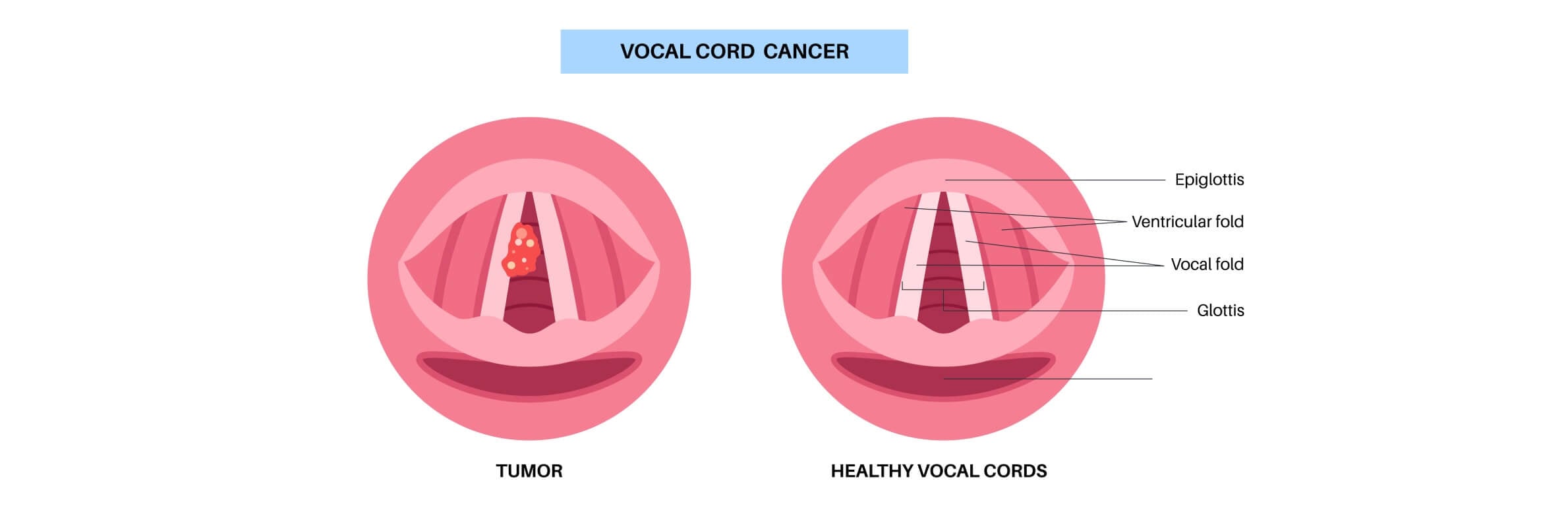
Рак голосовых связок (РГС) – это тип рака гортани, развивающийся в голосовых связках. Заболевание встречается довольно редко, составляя около 1% всех злокачественных новообразований у мужчин и 0,3% у женщин во всем мире [1]. В США ежегодно диагностируется около 13 000 случаев данного типа рака, при этом относительная 5-летняя выживаемость составляет около 62,1% [2].
Пациенты, в которых в анамнезе присутствует рак головы и шеи, подвержены высокому риску (около 25%) развития вторичной опухоли в этой анатомической области из-за длительного воздействия факторов риска – употребления табака или алкоголя [3].
В отличие от других злокачественных новообразований, из-за изменений в голосе, в частности появления постоянной хрипоты, рак голосовых связок часто диагностируется на ранней стадии. Благодаря этой особенности у пациентов есть шанс на полное удаление опухоли, однако при этом типе рака часто проводится слишком агрессивное лечения, что приводит к необратимому нарушению голоса и затруднению дыхания, а также в отдельных случаях может возникнуть необходимость в длительной респираторной поддержке. Поэтому важно рассмотреть возможность проведения современных методов лечения, исключающих повреждения голосового центра, что поможет пациенту сохранить голос и качество жизни.
Что такое рак голосовых связок
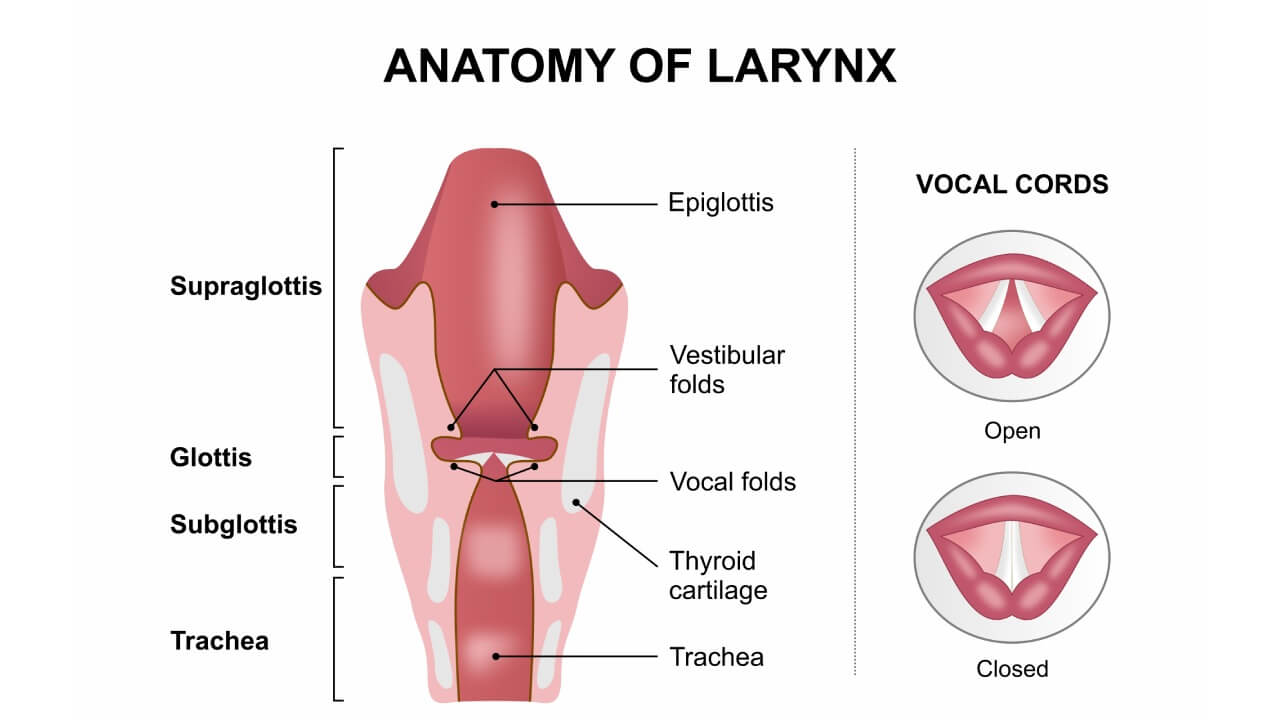
Истинные голосовые связки, в которых развиваются эти виды злокачественных опухолей, расположены в голосовой щели – центральной части гортани, ввиду чего они классифицируются как рак голосовой щели. Этот тип опухоли также называется плоскоклеточным раком голосовых связок (ПКР-ГС), поскольку раковые клетки возникают из эпителия гортани [4].
Этот вид рака горла может значительно повлиять на голос пациента, вызывая не только физический дискомфорт, но и психологический. В этом заключается основное отличие опухолей голосовых связок от других новообразований гортани, при которых функциональные нарушения могут быть менее серьезными и проявляться не столь быстро.
Почему выбор метода лечения имеет решающее значение при раке голосовых связок
Выбор метода лечения рака связок имеет решающее значение, поскольку стандартные терапевтические подходы, в частности агрессивная операция или высокодозная лучевая терапия, могут привести к серьезным изменениям голоса и затруднению дыхания, а также к возможной необходимости трахеостомии. Это может существенно повлиять на общение пациента с другими людьми в повседневной жизни и его профессиональную деятельность.
В настоящее время команды онкологов в ведущих странах по лечению рака, таких как Германия, меняют стандартный подход, делая акцент на сохранении органов и функционального статуса пациента. В связи с этим сейчас в процессе лечения рака голосовых связок приоритетом является малоинвазивная хирургия и регионарная химиотерапия. Такая стратегия обеспечивает пациентам контроль над развивающимся раком, а также сохранение нормальной функции дыхания и речи.
Стандартные подходы к лечению рака голосовых связок
Стандартные методы лечения подбираются с учетом стадии опухоли и включают [5]:
- Хирургию. Такое лечение предполагает полное удаление голосовых связок (кордэктомию) или вмешательство по удалению только части гортани (частичную ларингэктомию). Это может быть лазерная хирургия или открытая хирургическая операция.
- Лучевую терапию. Данный метод часто используется на ранних стадиях рака шеи и головы. В ходе такого лечения для разрушения аномальной ткани (патологической ткани) используется радиоактивное вещество.
- Химиолучевая терапия. Метод предполагает сочетание облучения с химиотерапией с целью повышения эффективности лечения. Такой подход часто применяется для контроля симптомов на поздних стадиях рака.
Инновационное лечение рака голосовых связок
Вакцинация дендритными клетками при раке голосовых связок
Терапия дендритными клетками при раке голосовых связок представляет собой современный вид лечения, направленный на формирование пожизненного иммунитета к опухоли. Дендритные клетки – это уникальные иммунные клетки, обладающие способностью «обучать» Т-лимфоциты самостоятельно распознавать и уничтожать раковые клетки (патологические клетки). Это новаторское открытие было удостоено Нобелевской премии по физиологии или медицине в 2011 году [6].
Для изготовления вакцины у пациента берут образец крови, из которого выделяют дендритные клетки и нагружают их специфическим опухолевым антигеном. На завершающем этапе лечения пациенту вводят вакцину, и при попадании в организм она сразу же начинает действовать – независимо от стадии заболевания и наличия поражения лимфатических узлов.
Это инновационное лечение рака голосовых связок представляет собой перспективный вид терапии, который позволяет сохранить функцию органа, обеспечивая при этом впечатляющие результаты в борьбе с опухолью.
Профессор Ганcауге раскрывает секреты лечения рака дендритными клетками
Регионарная химиотерапия при раке голосовых связок
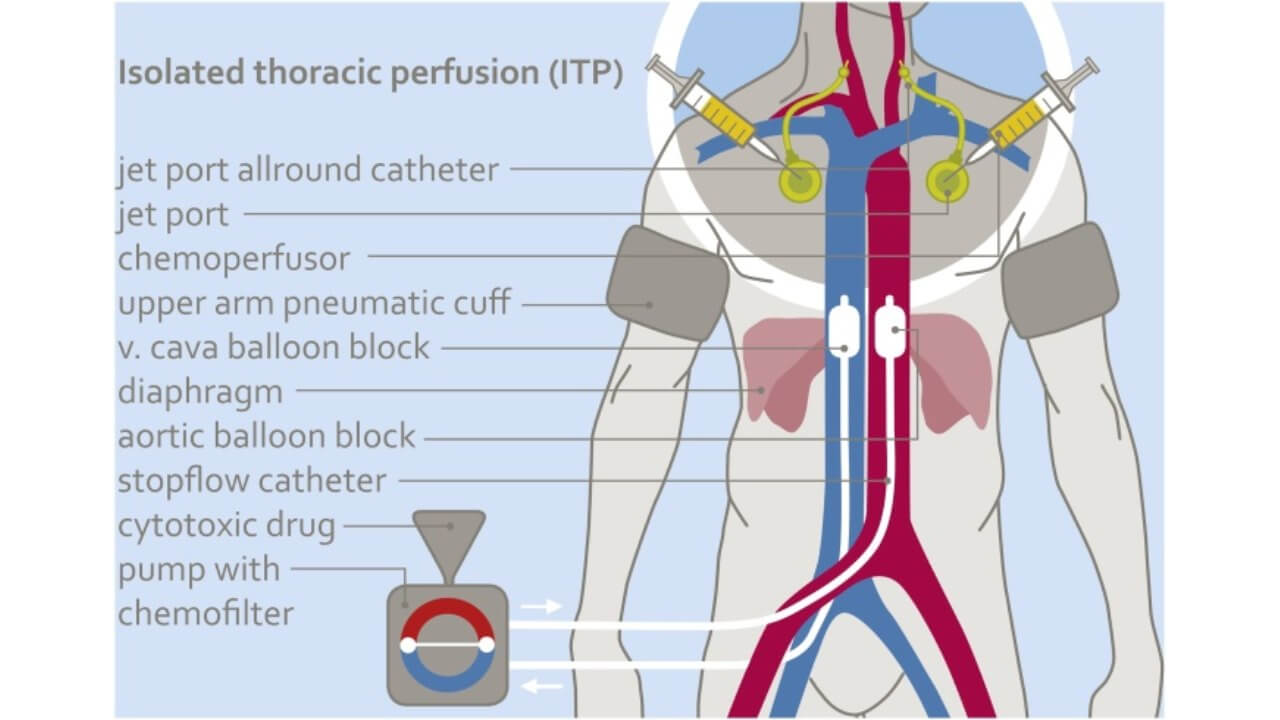
Регионарная химиотерапия – это метод лечения рака голосовых связок, разработанный с целью сохранения преимуществ стандартной химиотерапии при минимизации системных побочных эффектов за счет контролируемого локального применения лекарственных препаратов. Данная методика получила название кратковременной внутриартериальной инфузии. Ее суть состоит в том, что медикаменты вводятся через катетер непосредственно в артерию, питающую опухоль. На завершающем этапе терапевтической процедуры проводится химиофильтрация для удаления остатков химиотерапевтических препаратов из кровотока, что значительно снижает общую токсичность лечения рака.
У пациентов, получавших регионарную химиотерапию по поводу рака головы и шеи, наблюдалась выраженная регрессия опухоли и долгосрочная беспрогрессивная выживаемость даже на поздних стадиях, когда рак распространяется на другие анатомические структуры и органы.
Электрохимиотерапия (ЭХТ) при раке голосовых связок
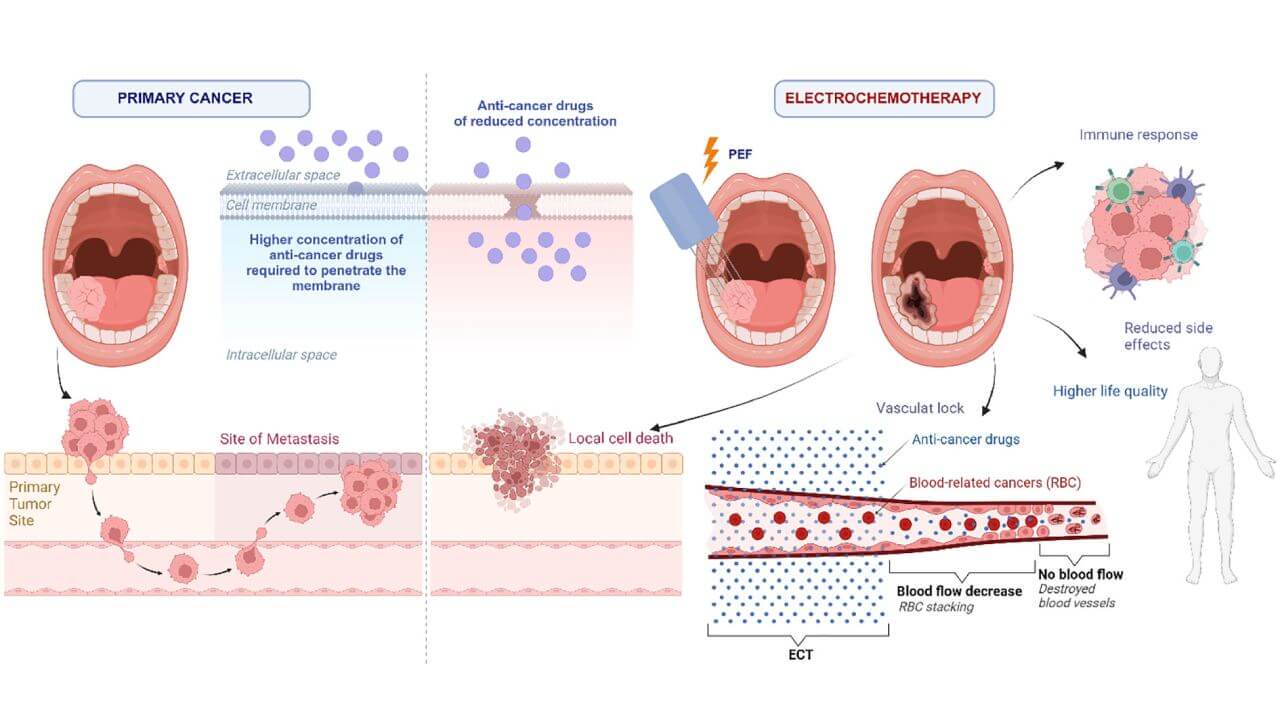
Электрохимиотерапия (ЭХТ) в качестве метода терапии рака голосовой щели предполагает сочетание таргетного введения химиопрепаратов непосредственно в онкологический очаг с локальным воздействием электрическими импульсами на патологическую ткань, что способствует лучшему проникновению препарата через клеточную мембрану и более интенсивному его поглощению опухолью [8]. Электрические импульсы временно изменяют проницаемость клеточной мембраны, позволяя молекулам медикамента проникать внутрь значительно быстрее и в больших количествах. Процедура проводится эндоскопическим доступом и представляет собой важный органосохраняющий подход к лечению рака, который позволяет минимизировать повреждение окружающих тканей, сохраняя при этом не только голос, но также функции дыхания и глотания.
| Продолжительность курса лечения | Побочные эффекты | Показатели выживаемости | |
|---|---|---|---|
| Регионарная химиотерапия | Несколько сеансов терапии (до 4) | Незначительные (локализованный дискомфорт) | ~80% при распространенном раке |
| Стандартная химиотерапия | Несколько циклов терапии, иногда продолжительностью несколько месяцев | Тяжелые (тошнота, выпадение волос) | ~20% при распространенном раке |
*Данные Booking Health
Сохранение органов и качество жизни
Голос играет ключевую роль в общении, профессиональной деятельности и повседневной жизни человека. Методы лечения, позволяющие сохранить ткани голосовых связок, в частности терапия дендритными клетками, внутриартериальная химиотерапия или электрохимиотерапия, направлены на максимально возможное сохранение или восстановление речи.
Еще одной важной функцией гортани, в том числе голосовых связок, является дыхание и обеспечение проходимости дыхательных путей. Хирургическая операция, например, ларингэктомия, в некоторых случаях может требовать выполнения трахеостомии или длительной респираторной поддержки, что накладывает ограничения на повседневную активность пациентов и вызывает значительный психологический дискомфорт. Кроме того, агрессивный хирургический подход может повлиять на внешний вид, вызывая изменения черт лица. Это может привести к серьезным психологическим проблемам. У пациентов с раком гортани частота случаев большого депрессивного расстройства составляет 28,5% [9].
Именно поэтому при использовании малоинвазивных локализованных процедур у врачей есть возможность проводить органосохраняющее лечение рака голосовых связок, позволяющее свести к минимуму серьезные изменения, а также сохранить вашу самооценку и уверенность в себе.
| Методы лечения | Германия | США | Великобритания | Австралия |
|---|---|---|---|---|
| Хирургия | €25,000 - €45,000 | €65,000 - €85,000 | €35,000 - €55,000 | €30 000 - €50 000 |
| Химиотерапия | полный курс €80,000 - €150,000 | полный курс €100,000 - €180,000 | полный курс €90,000 - €165,000 | полный курс €50,000- €200 000 |
| Регионарная химиотерапия | €45,000 | €40,000 - €100,000 | €25,000 - €45,000 | €30,000 - €150,000 |
*Цены могут варьироваться в зависимости от проводимого курса лечения и особенностей опухоли
Почему пациенты выбирают лечение рака голосовых связок за рубежом
Для многих пациентов с раком гортани лечение за рубежом открывает доступ к передовым технологиям и более качественному медицинскому обслуживанию, чем в их родной стране. Лечение за рубежом, в частности в Германии, означает, что вам будет обеспечен самый инновационный подход к терапии рака любой стадии с участием междисциплинарной команды врачей и ученых – от опухолей на ранних стадиях до запущенных форм рака 4 стадии с метастазами. При необходимости специалисты также проводят современные диагностические исследования, такие как КТ (компьютерная томография) и ПЭТ-КТ (позитронно-эмиссионная и компьютерная томография). Врачи в Германии разрабатывают для каждого индивидуальный план лечения, направленный на достижение наилучших результатов в конкретном клиническом случае. Кроме того, в зарубежных клиниках пациентам предлагаются услуги логопедов (специалистов по речевым и языковым нарушениям) и других экспертов по реабилитации, которые помогут в восстановлении после операции или проведении других методов лечения, если это необходимо. При выборе в пользу лечения рака головы и шеи в Германии вы получите наилучший уровень медицинского сервиса, а также возможность жить полноценной и активной жизнью, несмотря на онкологический диагноз.
Истории пациентов
Диагноз «рак гортани» кардинально изменит вашу жизнь как пациента, однако риск потери голоса из-за этой болезни может вызвать еще более сильный страх и острый психологический стресс. В такой ситуации крайне важно найти подходящую команду врачей, которая будет поддерживать вас на всех этапах лечения рака, учитывая ваши интересы.
Возьмем, к примеру, историю мужчины в возрасте 60 лет, который работает учителем. Он заметил, что у него появилась боль в горле и хрипота, которые не проходили на протяжении нескольких недель. В итоге у него диагностировали рак голосовых связок. Мужчине предложили операцию с последующей лучевой терапией, но он был глубоко обеспокоен потенциальными результатами такого лечения. По прибытии в Германию для получения «второго мнения» ему предложили другой вариант лечения – внутриартериальную регионарную химиотерапию. Всего после нескольких циклов такой терапии размер опухоли значительно уменьшился, и, что наиболее важно, врачам удалось сохранить функцию речи. При последующем наблюдении специалисты отметили выраженный ответ опухоли на лечение с переходом заболевания в ремиссию. В результате пациент вернулся к работе и продолжает наслаждаться привычной повседневной жизнью с минимальными ограничениями.
Поездка на лечение за границу с Booking Health
Самостоятельный поиск наилучшей тактики лечения с учетом вашей индивидуальной клинической ситуации – довольно сложная задача. Испытав на себе многочисленные курсы лечения, проконсультировавшись со множеством специалистов и испробовав различные терапевтические процедуры, вам может быть трудно сориентироваться во всей предоставленной врачами информации. В таком случае пациенты зачастую выбирают первый же предложенный вариант лечения или соглашаются на лечение с применением стандартизированных терапевтических протоколов, которое повлечет за собой множество побочных эффектов, вместо того, чтобы рассмотреть возможность терапии с помощью инновационных процедур.
Если вы хотите сделать осознанный выбор и получить лечение рака в соответствии с индивидуально разработанной для вас схемой с учетом особенностей вашей конкретной клинической ситуации, проконсультируйтесь с медицинскими специалистами Booking Health. Компания Booking Health уже более 12 лет занимает ведущие позиции в сфере организации лечения за рубежом с применением новейших инноваций в медицине, поэтому ее специалисты обладают огромным опытом в составлении персонализированных комплексных программ лечения рака для каждого пациента. Booking Health пользуется репутацией авторитетной компании, которая предоставляет персонализированный подбор схемы лечения рака голосовых связок и клиники с прямым бронированием приема в медицинском центре и полной поддержкой на каждом этапе лечения – от решения организационных вопросов до помощи в процессе лечения. Мы предлагаем:
- Оценку и анализ медицинских заключений пациента
- Составление индивидуальной программы лечения
- Подбор подходящего медицинского учреждения для лечения
- Подготовку медицинской документации и ее направление в выбранную пациентом для лечения клинику
- Консультации с врачами зарубежной клиники для разработки оптимальной медицинской программы на этапе подготовки к поездке на лечение
- Экспертные консультации во время пребывания в больнице
- Последующее консультирование пациента после его возвращения на родину по завершении медицинской программы
- Решение организационных вопросов в рамках подготовки к поездке на лечение за границу
- Координацию и организацию пребывания пациента в другой стране
- Помощь в оформлении визы и бронировании авиабилетов
- Услуги переводчика и персонального координатора, который будет с вами на связи 24/7
- Прозрачные цены на лечение без скрытых платежей
Здоровье – главная ценность в жизни каждого человека, доверять заботу о которой стоит лишь лучшим специалистам с богатым опытом и проверенной репутацией. Booking Health – это ваш надежный партнер, который оказывает всестороннюю помощь на пути к восстановлению здоровья и улучшению качества жизни. Свяжитесь с медицинским консультантом компании, чтобы узнать больше о возможностях персонализированного лечения рака голосовых связок у ведущих экспертов с использованием инновационных методов.
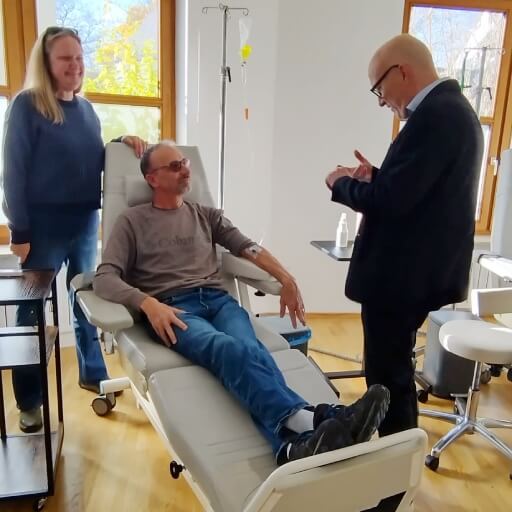
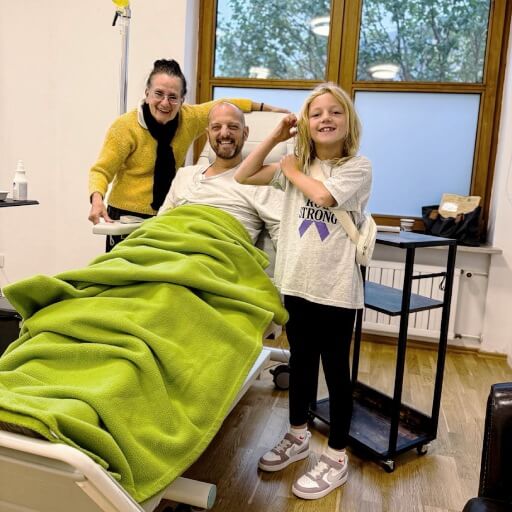
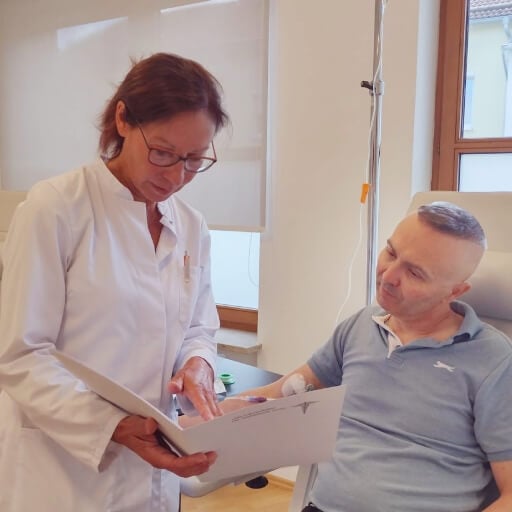
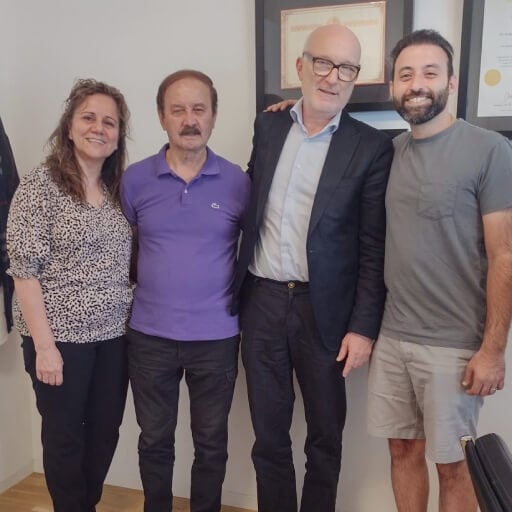
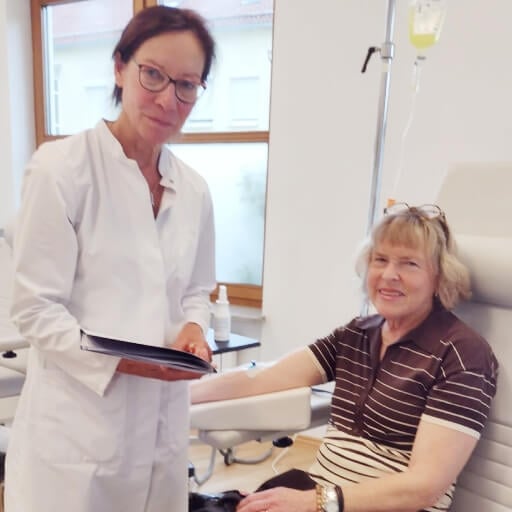
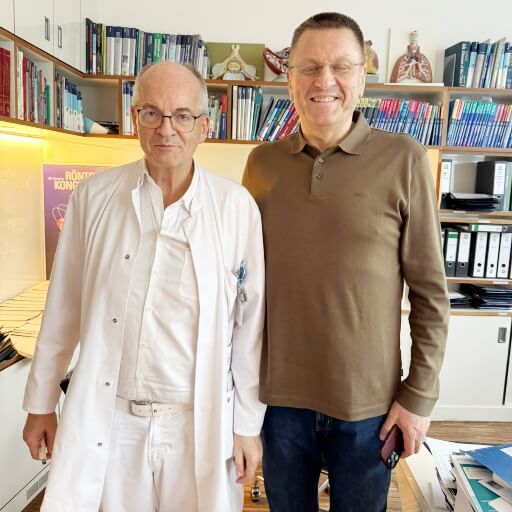
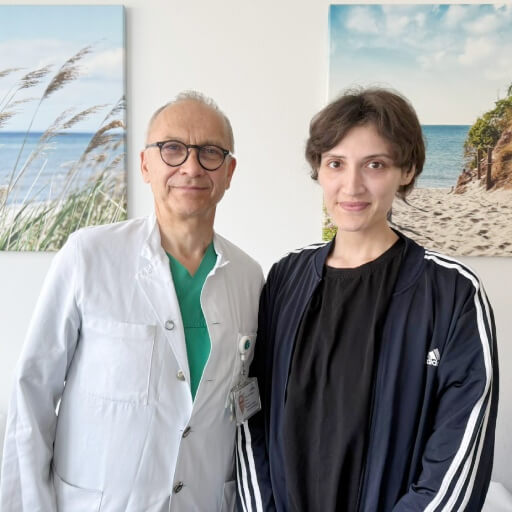
Инновации в онкологии: опыт пациентов Booking Health

Частые вопросы о раке голосовых связок
Отправить запрос на лечениеНа поздних стадиях рака показатель 5-летней выживаемости составляет около 62,1%, тогда как при опухолях на ранних стадиях он достигает 85%.
Симптомы часто проявляются на ранних стадиях заболевания. Они включают постоянную хрипоту, боль в горле, изменения голоса и затрудненное дыхание.
При 1 стадии этого вида рака диагностируется опухоль размером не более 2 см, которая локализуется в пределах одной голосовой связки. На этой стадии все еще возможно сохранение голоса, проводится органосохраняющее лечение.
Первым признаком рака горла является хрипота, сохраняющаяся более 2-3 недель, особенно без характерных проявлений инфекции, в частности повышения температуры тела, слабости или перенапряжения голоса.
Наиболее эффективный вариант лечения определяется в зависимости от стадии рака и индивидуальных потребностей пациента. Для сохранения функции голосовых связок и обеспечения онкобольному достойного качества жизни рекомендуются современные методы лечения, например, регионарная химиотерапия.
Как правило, прогноз благоприятный: пятилетняя выживаемость составляет около 62,1% при запущенных формах рака и почти 85% при опухолях, диагностированных на ранней стадии.
Качество жизни после выявления опухоли зависит от проведенного лечения. При применении органосохраняющих вариантов лечения у пациентов есть все шансы на сохранение речевой и дыхательной функций, а также привычного внешнего вида без косметических дефектов.
Да. Сохранение голоса – ключевой аспект современного лечения этого заболевания. Благодаря таким современным методам, как регионарная химиотерапия, электрохимиотерапия и терапия дендритными клетками, у пациентов есть возможность лечить рак с сохранением своего естественного голоса.
Терапия дендритными клетками при раке голосовых связок – это новый высокоэффективный вид иммунотерапии, основанный на стимуляции Т-клеток для уничтожения опухоли. Данный метод обеспечивает формирование пожизненного противоракового иммунитета при минимальном профиле побочных эффектов.
Регионарная химиотерапия при раке голосовых связок основана на доставке химиотерапевтических препаратов непосредственно к опухолевому очагу, что позволяет снизить общую токсичность лечения и повысить локальную концентрацию медикаментов. Как правило, химиопрепараты вводятся через внутриартериальный катетер вблизи места локализации новообразования.
Суть электрохимиотерапии при раке голосовых связок состоит в таргетной подаче электрических импульсов для более эффективного проникновения лекарственного препарата через клеточную стенку. Такой подход обеспечивает интенсивное поглощение медикаментов раковыми клетками (атипичными клетками) и практически исключает повреждение здоровых тканей, ввиду чего процедура считается малоинвазивным и органосохраняющим вариантом лечения.
Да, опухоли голосовой щели на ранних стадиях хорошо поддаются лечению с помощью инновационных видов терапии рака голосовых связок, например, регионарной химиотерапии. Следовательно, они представляют собой эффективный вариант лечения для пациентов, стремящихся сохранить голосовую и дыхательную функции.
Некоторые подходы к лечению, в частности агрессивная хирургия, могут существенно повлиять на качество жизни пациента, поскольку они приводят к изменениям голоса, требуют выполнения трахеостомии или проведения длительной респираторной поддержки, а также могут стать причиной изменений во внешности человека.
В отдельных случаях современные методы лечения могут выступать в качестве альтернативы хирургии или лучевой терапии, но такое решение должно приниматься междисциплинарной командой врачей с учетом стадии опухоли и личных предпочтений пациента.
Выбирайте лечение за рубежом и Вы, несомненно, получите отличный результат!
Авторы:
Статья составлена под редакцией экспертов в области медицины, врачей-специалистов доктора Надежды Иванисовой и доктора Яны Дмитришин. Для лечения состояний, о которых идет речь в статье, необходимо обратиться к врачу; информация в статье не предназначена для самолечения!
С редакционной политикой, которая отражает наше стремление к точности и прозрачности, можно ознакомиться здесь. Перейдите по ссылке, чтобы ознакомиться с нашими правилами.
Источники:
[1] National Cancer Institute. Cancer Stat Facts: Laryngeal Cancer. https://seer.cancer.gov/statfacts/html/laryn.html
[2] Andrew J. Williamson, Sophie Bondje. Glottic Cancer. In: StatPearls [Internet]. Treasure Island (FL): StatPearls Publishing; 2025 Jan. 2023 Jul 17. [NCBI]
[3] Luc G T Morris, Andrew G Sikora, Richard B Hayes, Snehal G Patel, Ian Ganly. Anatomic sites at elevated risk of second primary cancer after an index head and neck cancer. Cancer Causes Control. Author manuscript; available in PMC: 2012 May 1. Published in final edited form as: Cancer Causes Control. 2011 Feb 15;22(5):671–679. doi: 10.1007/s10552-011-9739-2. [DOI] [PMC free article]
[4] James S Lewis Jr. Not Your Usual Cancer Case: Variants of Laryngeal Squamous Cell Carcinoma. Head Neck Pathol. 2010 Dec 17;5(1):23–30. doi: 10.1007/s12105-010-0232-0. [DOI] [PMC free article]
[5] PDQ Adult Treatment Editorial Board. Laryngeal Cancer Treatment (PDQ®): Health Professional Version. In: PDQ Cancer Information Summaries [Internet]. Bethesda (MD): National Cancer Institute (US); 2002. 2025 Feb 25. [NCBI]
[6] Ralph M Steinman. Dendritic cells: understanding immunogenicity. Eur J Immunol. 2007 Nov:37 Suppl 1:S53-60. doi: 10.1002/eji.200737400. [DOI] [PubMed]
[7] Karl R Aigner, Emir Selak, Kornelia Aigner. Short-term intra-arterial infusion chemotherapy for head and neck cancer patients maintaining quality of life. J Cancer Res Clin Oncol. 2019 Jan;145(1):261-268. doi: 10.1007/s00432-018-2784-4. Epub 2018 Oct 31. [DOI] [PubMed]
[8] Arnoldas Morozas, Veronika Malyško-Ptašinskė, Julita Kulbacka et al. Electrochemotherapy for head and neck cancers: possibilities and limitations. Front. Oncol., 15 February 2024. Sec. Head and Neck Cancer Volume 14 - 2024 | https://doi.org/10.3389/fonc.2024.1353800. [DOI]
[9] Rebecca L Rohde, Eric Adjei Boakye, Sai Deepika Challapalli et al. Prevalence and sociodemographic factors associated with depression among hospitalized patients with head and neck cancer-Results from a national study. Psychooncology. 2018 Dec;27(12):2809-2814. doi: 10.1002/pon.4893. Epub 2018 Oct 4. [DOI] [PubMed]
Читайте:
Полное руководство по раку головы и шеи
Лечение рака ротовой полости: руководство для пациентов
Современное лечение рака миндалин: полный гайд по методам лечения